


From arcades to open worlds, these 10 defining releases rewired how we play, design, and talk about games.
The 1990s were a singular growth spurt for the medium: arcades roared, 3D arrived, CD-ROMs brought cinema home, and online play pushed competition beyond the living room. This list focuses on award‑winners and runaway hits that didn’t just entertain—they established templates developers still iterate on today. From fighters that turned strangers into rivals to adventures that taught millions how 3D movement should feel, each pick is a milestone of craft, popularity, and influence.
10) The Legend of Zelda: Ocarina of Time (1998)
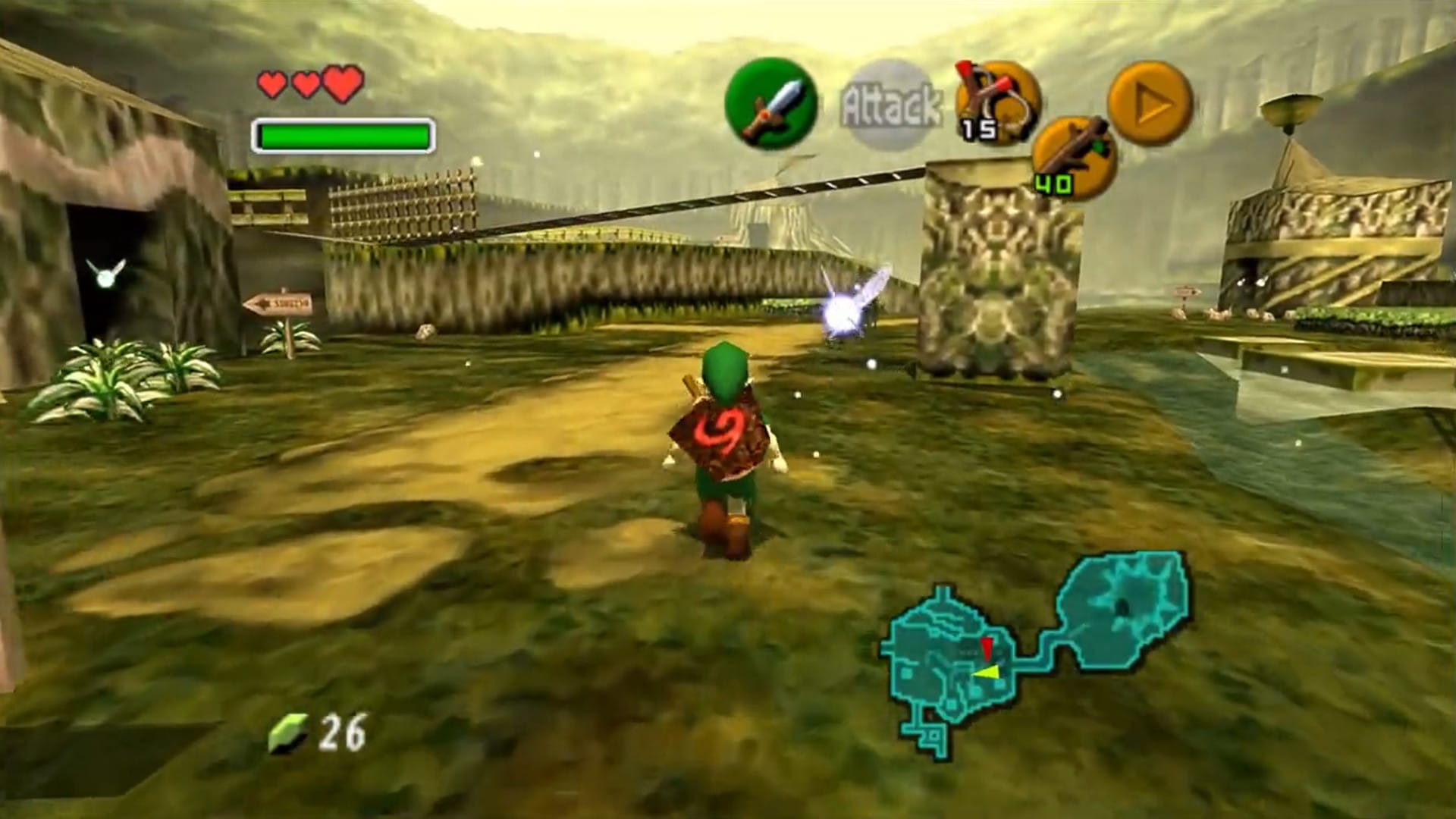
Even within a decade bursting with breakthroughs, Ocarina of Time stands as the archetype of 3D adventure design. Nintendo’s leap to a fully navigable Hyrule brought lock‑on targeting, context‑sensitive actions, and puzzles that blend combat, exploration, and music through Link’s ocarina. Riding Epona across fields, solving time‑shifting dungeons as child and adult Link, and discovering secrets in every corner set a new bar for spatial storytelling. The game’s cinematic framing and elegant tutorializing showed developers how to guide players in open spaces without heavy‑handed waypoints. Its score, dungeons like the Water Temple, and side quests such as the Mask Trading sequence helped define depth beyond the main quest. The result wasn’t merely beloved; it set records for critical acclaim, including one of the highest aggregate review averages ever, and remains a touchstone for 3D feel and world structure. Z‑targeting made 3D combat readable, the context‑sensitive A button reduced friction, and the day–night cycle kept Hyrule alive from the Great Deku Tree’s tutorial to boss duels in Ganon’s Tower.
9) Super Mario 64 (1996)
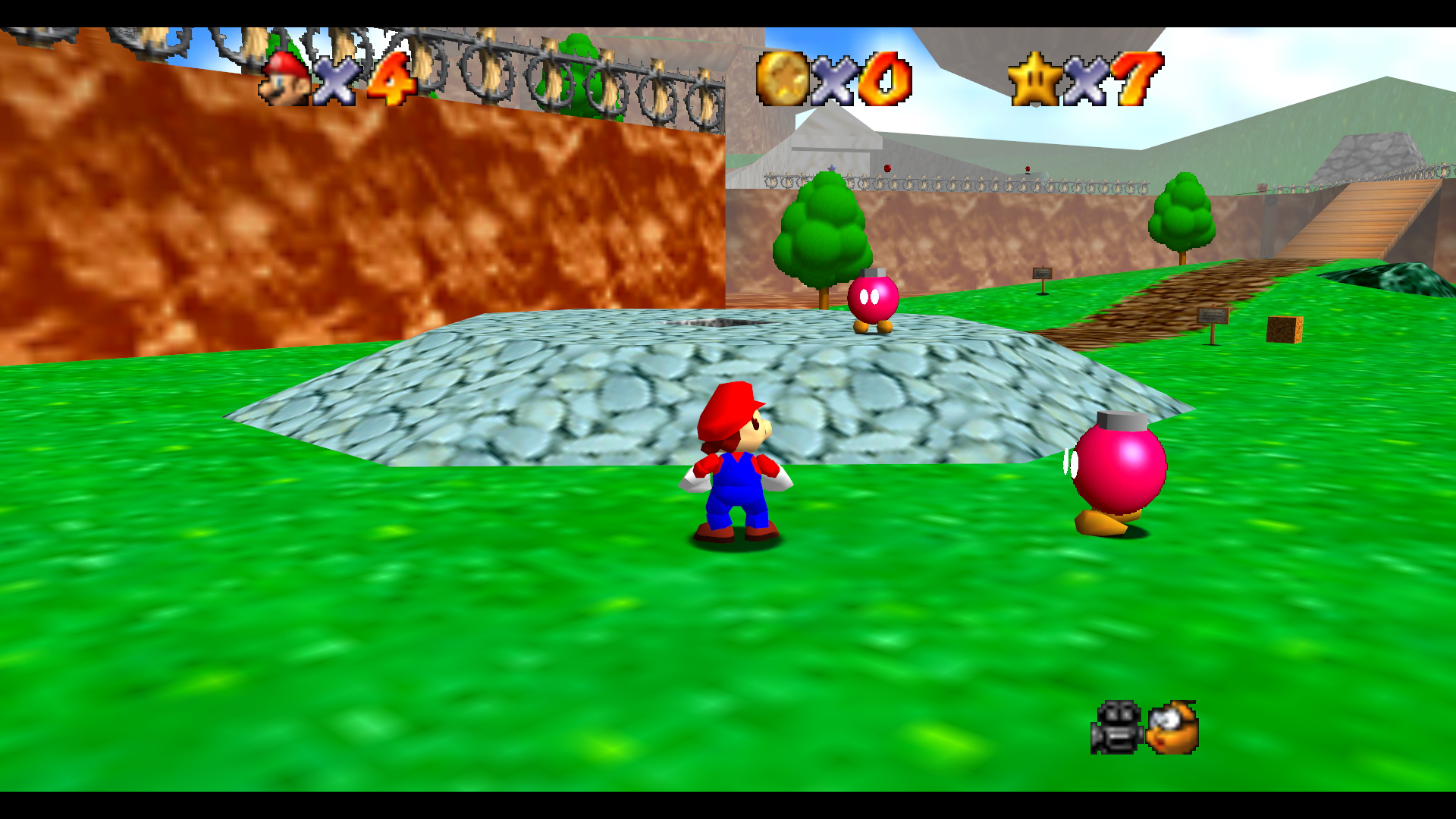
Super Mario 64 didn’t just go 3D—it taught everyone how to move there. Its analog stick gave Mario millimeter‑precise acceleration, from tiptoes to headlong sprints, making jumps, dives, and wall kicks feel expressive and reliable. A playful Lakitu “camera” framed the action, while Peach’s Castle served as a hub world that nudged players toward experiments rather than rote objectives. Each course reimagined platforming with scalable goals—collecting 120 Power Stars across speed runs, secrets, and boss battles—that let newcomers and experts chart their own pace. Moments like the first cannon flight over Bob‑omb Battlefield, sliding races, and Bowser’s grab‑and‑spin fights turned 3D space into a toy box. The clarity of Mario’s animations and the physicality of momentum grounded the new perspective in tactile rules, a template countless games still borrow. Its confidence as a Nintendo 64 launch title also proved 3D worlds could be friendly, coherent, and endlessly replayable.
8) Final Fantasy VII (1997)
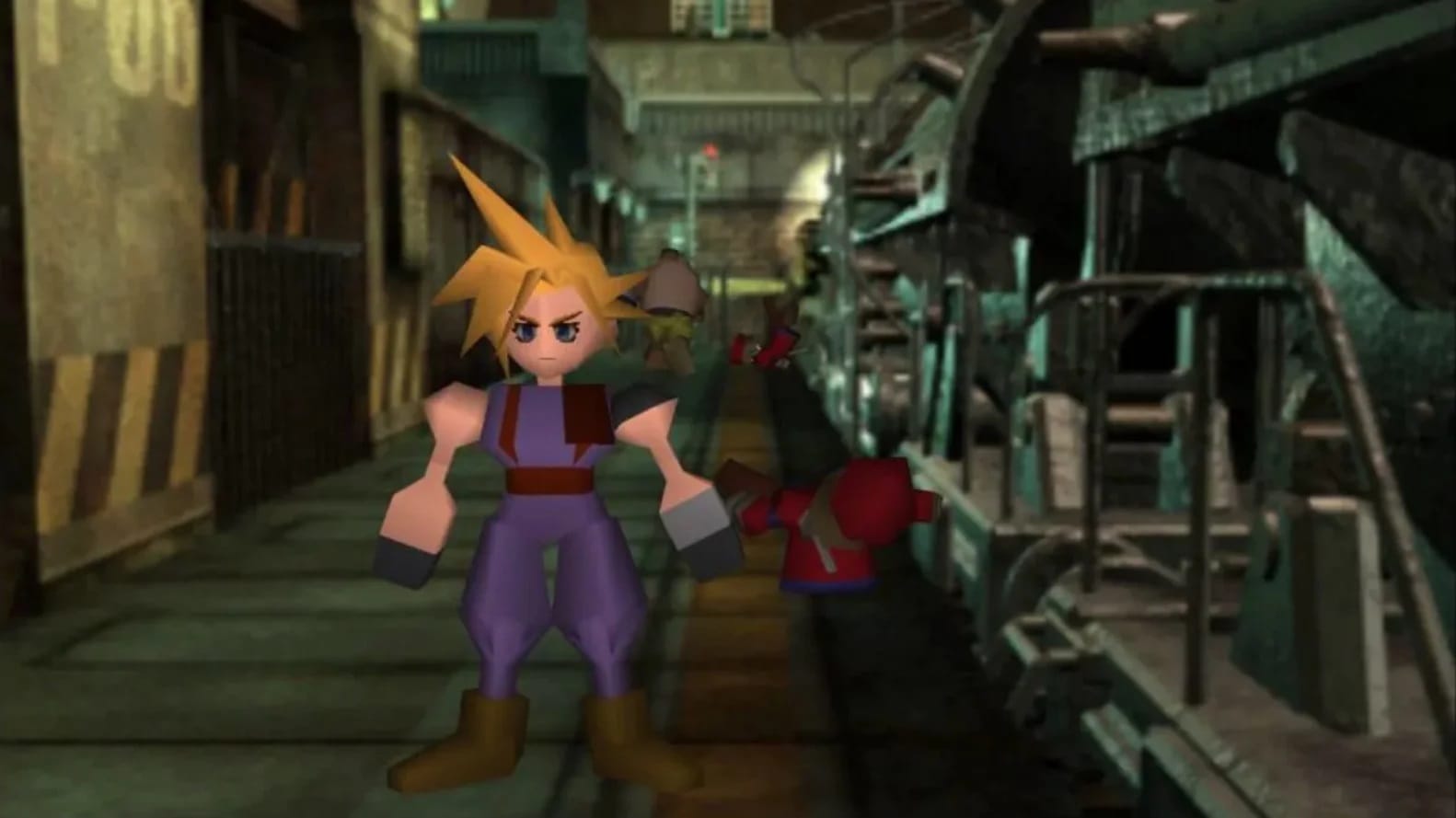
A meteor over Midgar announced a new era for console RPGs. Final Fantasy VII fused CG cinematics with pre‑rendered cityscapes and polygonal characters to deliver scale previously reserved for film, then backed it with strategic flexibility through the Materia system. Cloud, Tifa, Aerith, and the villainous Sephiroth became icons as the story shifted from corporate dystopia to world‑spanning pilgrimage, carried by Nobuo Uematsu’s unforgettable score. Multiple discs, optional party members, secret weapons, and chocobo breeding hinted at an almost boundless adventure. For many players outside Japan, it was the first JRPG they ever finished, and it turned curiosity into a fandom—spiking PlayStation sales and convincing publishers that big, story‑driven RPGs could thrive worldwide. FFVII’s blend of cinematic presentation, accessible systems, and operatic emotion set a commercial and cultural template that sequels, ports, and a modern remake trilogy continue to revisit decades later. Its success redrew the map for localization budgets, marketing ambitions, and the expectation that console epics could be water‑cooler events.
7) Half‑Life (1998)
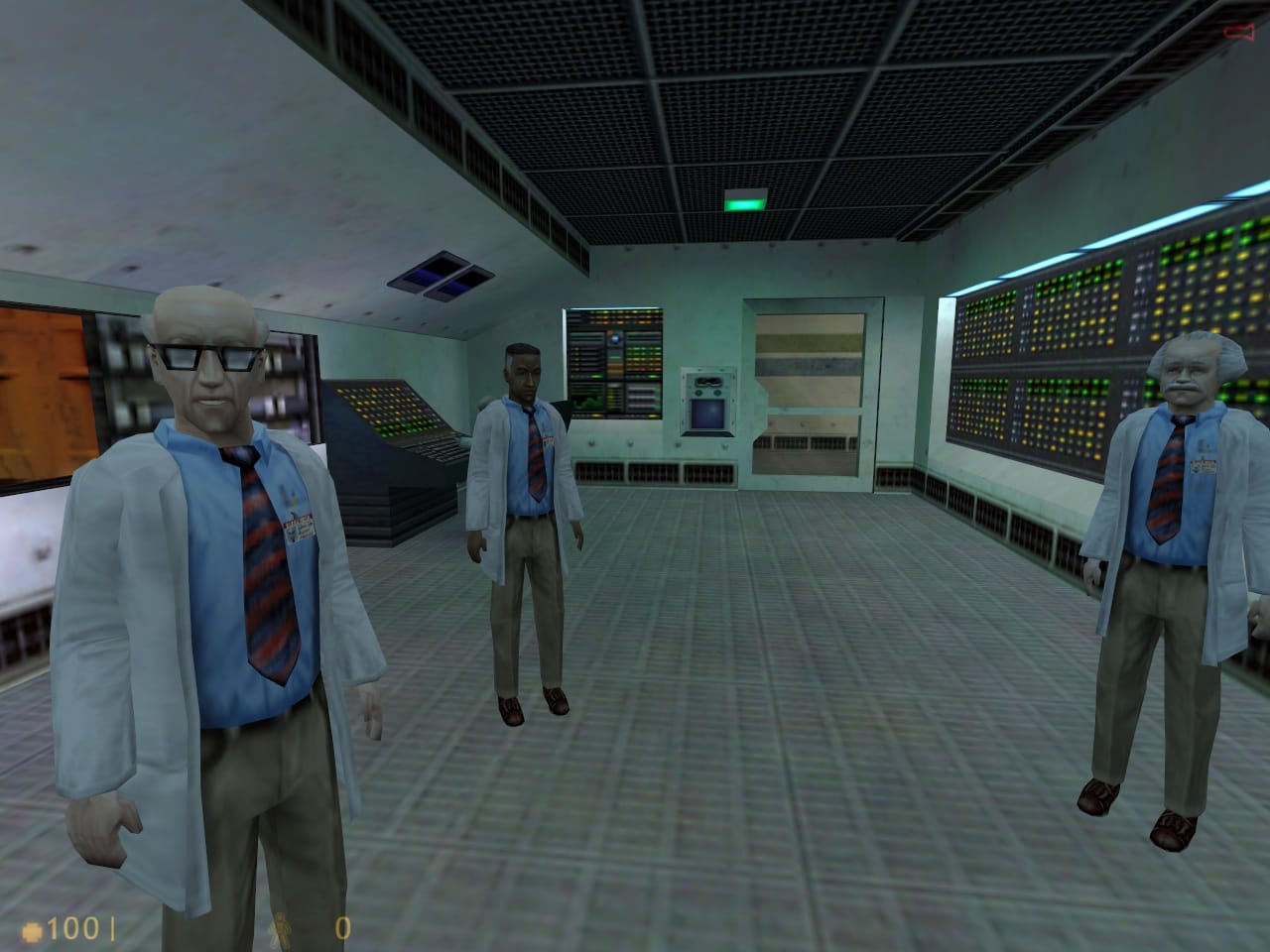
Half‑Life turned the first‑person shooter into a continuous narrative ride. As Gordon Freeman, you survive the Black Mesa disaster not through cutscenes but via in‑engine set pieces—scientists pulled into vents, Marines flanking intelligently, and quiet stretches that build dread between firefights. Valve’s pacing stitched puzzles, traversal, and combat into one long breath, replacing key‑hunt mazes with spaces that feel like a real facility under siege. The enemy AI, from pack‑hunting hounds to soldiers tossing grenades to flush you out, made encounters read like stories rather than arenas. It also proved that atmosphere and restraint could amplify action, culminating in a dimension‑hopping finale that felt earned rather than tacked on. The design sharpened expectations for immersion and influenced everything from scripted sequences to mod culture—the same foundations that birthed Counter‑Strike and a generation of narrative shooters. Half‑Life’s accolade haul and enduring community sealed its legacy as a landmark of PC design and storytelling. Few games since have balanced momentum, mystery, and mastery so confidently.
6) Doom (1993)
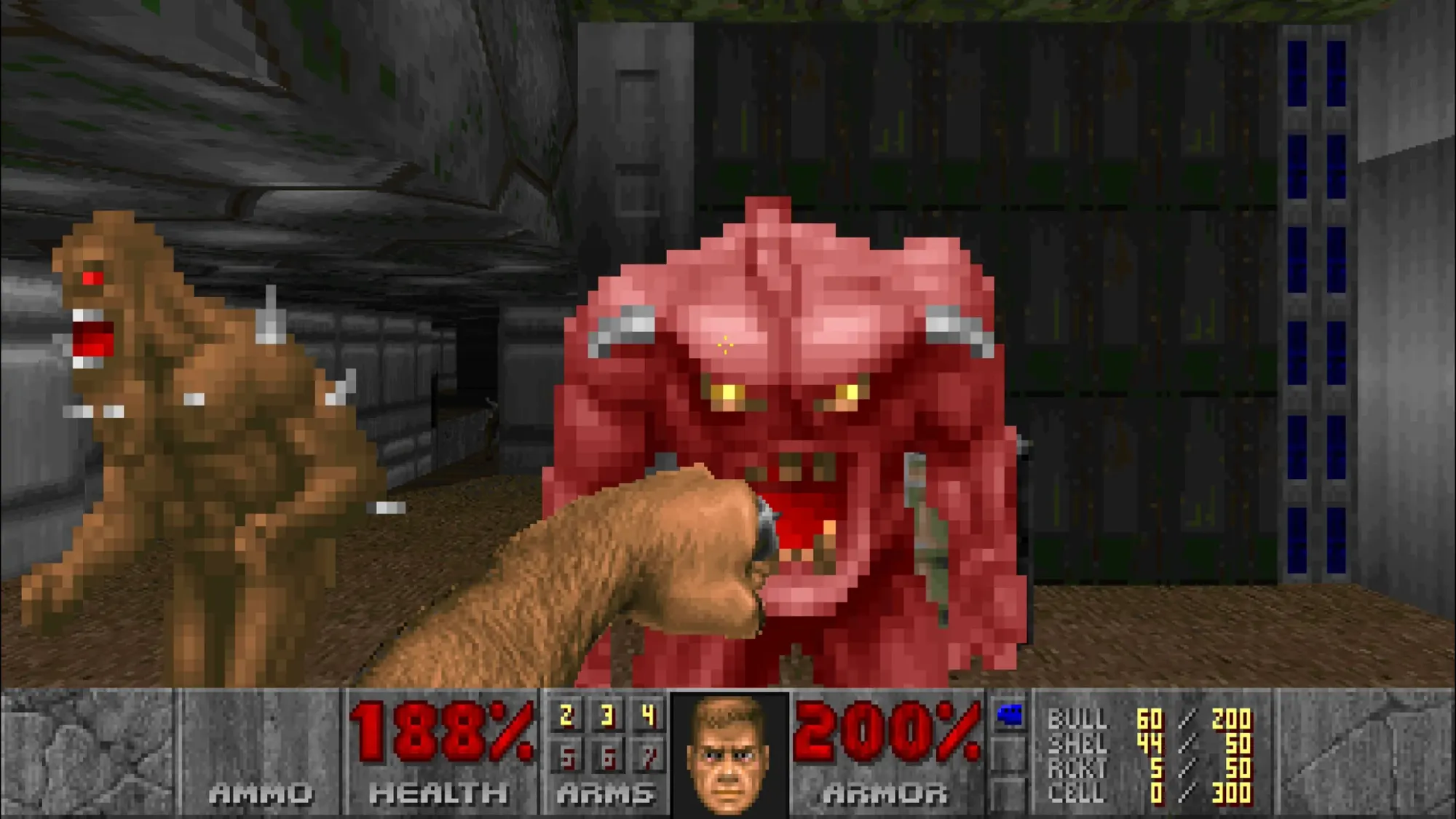
Doom detonated the PC landscape with speed, style, and shareware swagger. id Software’s demon‑blasting gauntlet brought textured corridors, snappy gunfeel, and propulsive metal‑tinged music together in tight labyrinths that begged to be replayed. The engine’s trickery—lightning‑fast movement, height variance, and illusion‑rich 2.5D spaces—created a sense of 3D fluidity years before full polygonal shooters took over. It popularized online deathmatch and cooperative play, then invited tinkering through WAD files that seeded a thriving mod scene and school‑lab local networks everywhere. Doom also taught designers the rhythm of combat arenas: readable silhouettes, projectile tells, and health‑armor economies that keep you one mistake from disaster yet daring another push. No wonder it seemed installed on every beige box by the mid‑’90s. Beyond the controversy over gore, Doom’s lasting impact is its tempo—the snap of a shotgun, a door hiss, a pinky rounding the corner—still echoed across modern shooters. Its design literacy and moddability turned players into creators and planted the seeds for countless careers in game development.
5) Pokémon Red & Blue (1996)
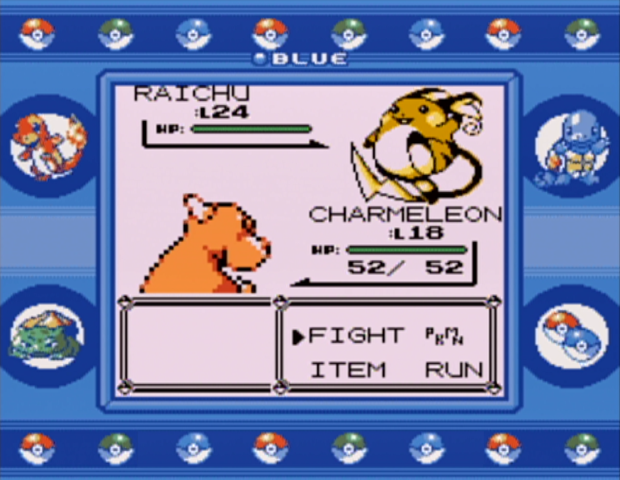
Pokémon Red & Blue distilled adventure into a perfect loop: explore, encounter, capture, train, trade, and test yourself at the Elite Four. On humble Game Boy hardware, Game Freak created a living collection of 151 creatures tied together by simple turn‑based battles and a brilliant social mechanic—the Link Cable—that made completion a shared project. The split versions nudged schoolyard economies of trading, rumors, and friendly rivalry. From Pallet Town to Saffron City, the journey felt personal, with team composition telling your story as much as the plot. When the games arrived outside Japan, they sparked a cross‑media phenomenon of cards, cartoons, and merchandising without diluting the core appeal of discovering a new favorite partner. Years later, its design reads like a masterclass in approachability and depth: intuitive types, steady compulsion loops, and post‑game hunts that turn fans into lifelong trainers. It’s hard to overstate how completely it captured playground culture in the late ’90s, transforming lunch tables into bustling trading floors.
4) Metal Gear Solid (1998)
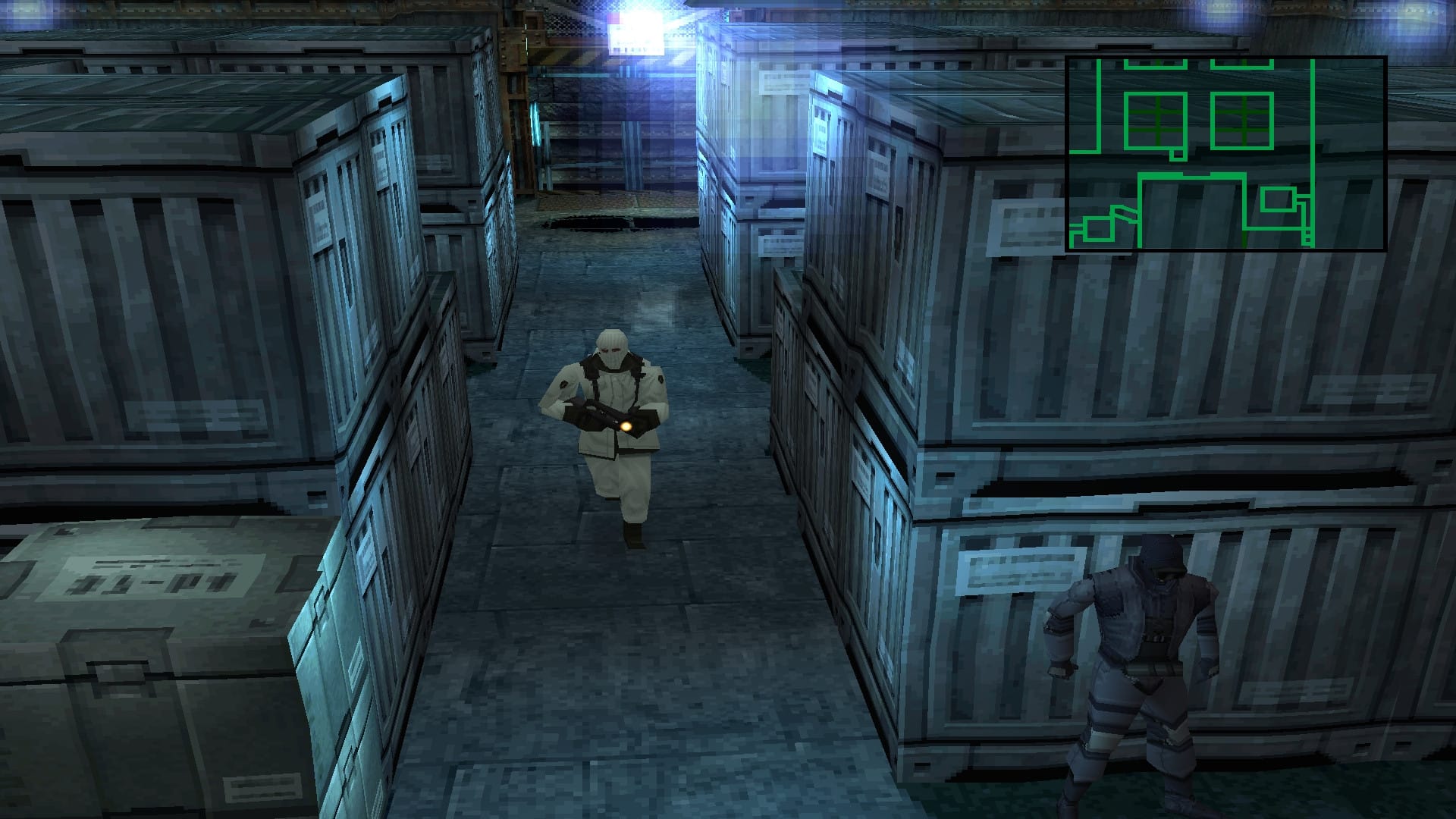
Metal Gear Solid brought espionage to the mainstream by treating stealth like cinema. From the codec chatter to in‑engine cutscenes, Hideo Kojima’s PlayStation classic fused mechanics and storytelling so tightly that sneaking, not shooting, became the dramatic heartbeat. Every arena is a small systems playground—footprints in snow, knocked pipes, radar cones, and sightlines you can manipulate—building to boss encounters that break the rules just enough to surprise. Voice acting carried a twisty script about nuclear brinkmanship and identity, while first‑person peeks and context‑sensitive interactions kept tension high without sacrificing clarity. Crucially, the game humanized enemies as guards with routines rather than faceless fodder, reframing victory as remaining unseen. The result was a blockbuster that proved console audiences would embrace patience, planning, and fourth‑wall‑teasing invention, paving the way for every modern stealth hybrid from Splinter Cell to The Last of Us. Its VR Missions, post‑game ranks, and secret routes rewarded mastery, while its staging set a new bar for cinematography in interactive spaces.
3) StarCraft (1998)
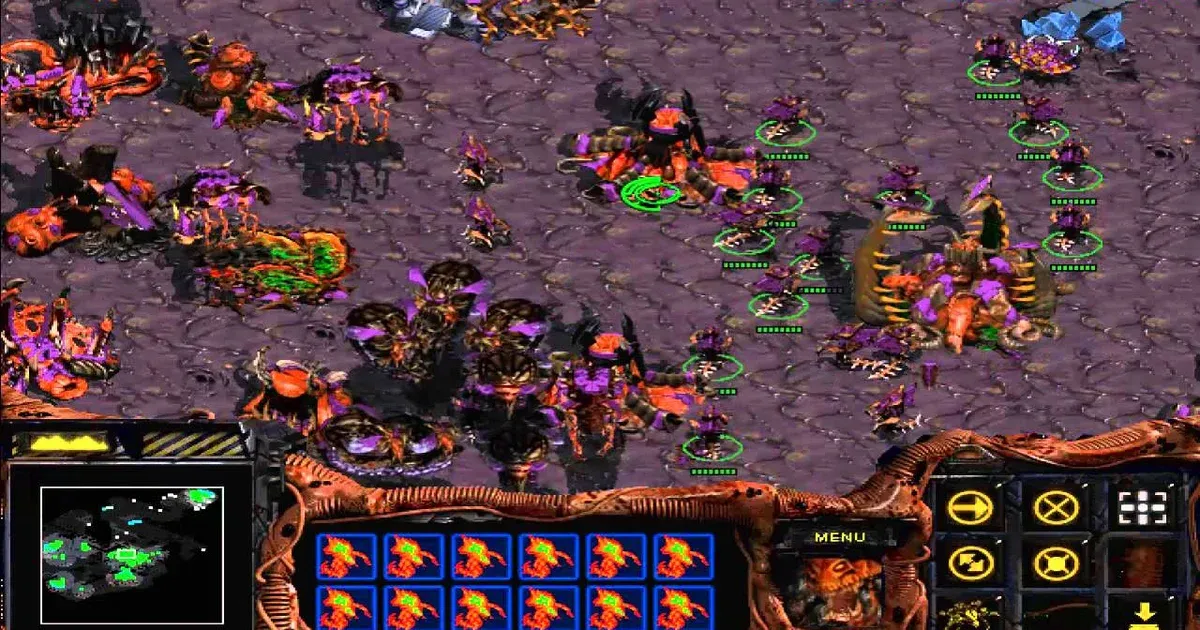
StarCraft crystallized real‑time strategy with three asymmetric factions so distinct that learning them felt like learning three games. Terrans kite and turtle, Protoss hit like thunder, and Zerg swarm with terrifying momentum; yet balance let any style thrive, especially once Battle.net made competition frictionless. The campaign’s rotating perspectives—from space‑cowboy Terrans to ascetic Protoss and body‑horror Zerg—lent operatic scope that RTS stories rarely matched. More important, competitive clarity made the game endlessly watchable: high‑contrast silhouettes, clear sound cues, and maps that reward planning and improvisation. In South Korea, broadcast leagues and PC bangs turned Brood War into a national sport and professionalized competitive gaming, laying groundwork for modern esports. On both ladder and LAN, StarCraft proved that a strategy game could be precise, spectacular, and absolutely human, where split‑second control met months of practice and mind games. Its influence still echoes in design vocabularies for build orders, timings, and map control—and in every esport that values legibility as much as skill.
2) Chrono Trigger (1995)
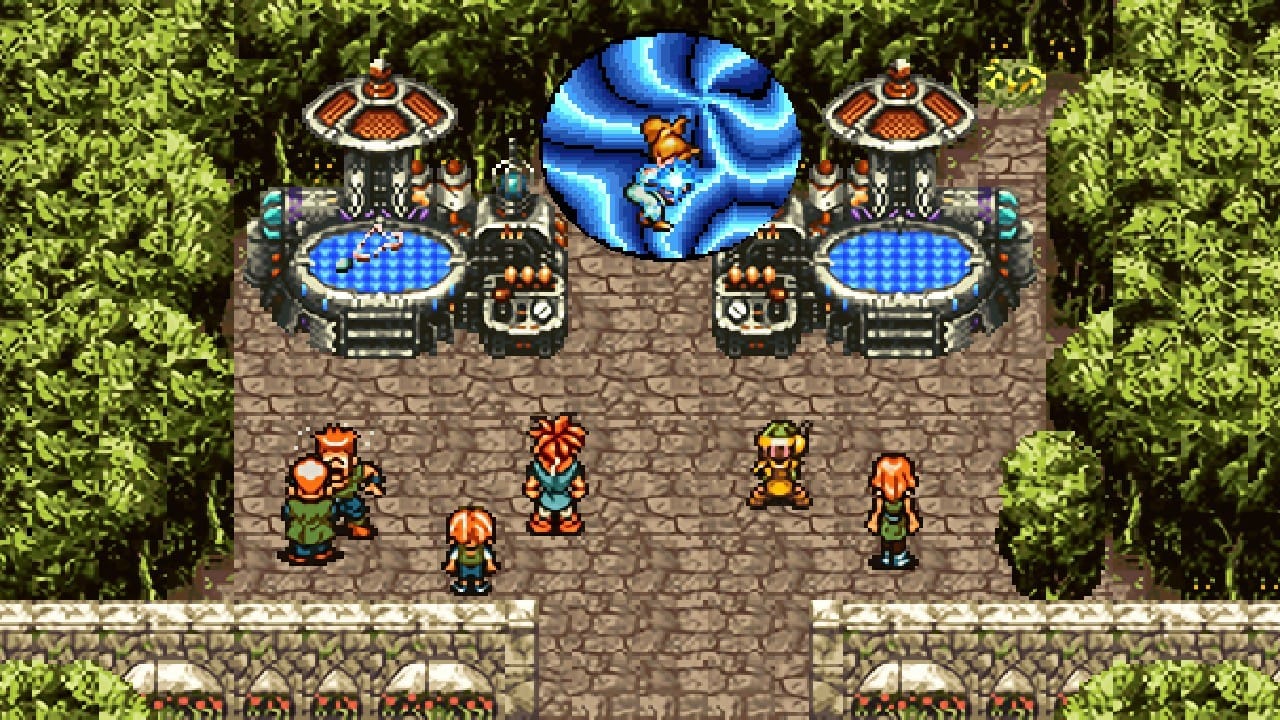
Chrono Trigger is the rare RPG that feels timeless precisely because it plays with time. Square’s “Dream Team” blended Akira Toriyama’s lively art, a breezy variant of active‑time battles, and a world‑spanning story you visit across seven eras to prevent annihilation. Decisions ripple forward, side quests deepen characters, and seamless encounters keep momentum high—no random battles yanking you out of the moment. Multiple endings and the debut of New Game Plus invited players to experiment with sequence breaking and early challenges, making replays feel like discoveries rather than chores. Yasunori Mitsuda’s soundtrack, equal parts melancholy and triumphant, binds it together with themes that recur as gracefully as the plot’s time loops. Few games are so generous with wonder: a frog knight’s honor, a robot’s compassion, a future worth saving, and an optional detour that becomes someone’s favorite scene. It’s a masterclass in heart, craft, and economy. Thirty years on, its design remains a lodestar for pacing, optionality, and meaningfully reactive worlds.
1) Street Fighter II (1991)
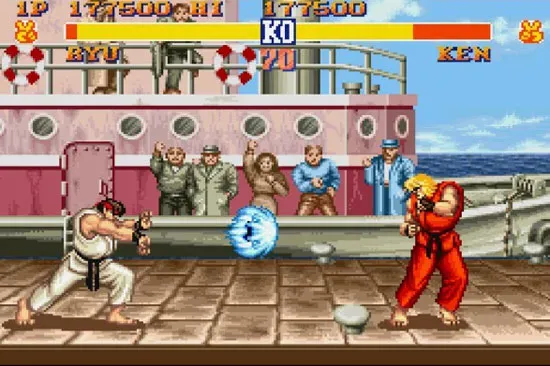
Street Fighter II ignited the fighting‑game boom with a pure test of spacing, timing, and nerve. Its six‑button layout and quarter‑circle inputs demanded intention, while diverse fighters—from Ryu and Chun‑Li to Guile and Zangief—offered distinct toolkits that encouraged style and counter‑style. Accidental combo discovery became design, birthing a meta of links, cancels, and frame traps that competitive players would refine for decades. In arcades, crowds gathered to watch, challenge, and learn, turning local scenes into classrooms and rivals into legends; at home, the SNES port kept the craze alive. More than a bestseller, Street Fighter II reset expectations for head‑to‑head play: fair rules, readable animations, and elegant depth powered by mind games rather than grind. It is the ancestor of modern esports psychology—risk, adaptation, and the thrill of a last‑pixel comeback—packed into three rounds and a handshake. Its updates, from Champion Edition to Turbo, kept matchups evolving and cabinets humming, while console versions sold in the millions worldwide.
Alternate picks that nearly made it
GoldenEye 007 (1997), Tony Hawk’s Pro Skater (1999), Gran Turismo (1997), Quake (1996), Resident Evil (1996)—each a giant in its own lane.


