


Ten open worlds with sharp steel, quiet roads, and choices that cut deep.
Before we ride out, here’s how this list is tuned: open‑world structure is the priority; strong melee combat, expressive stealth, and a sense of place carry real weight; and the most similar games to Ghost of Tsushima are intentionally placed at the end. Draw your blade—let’s begin.
10) Horizon Forbidden West (2022)
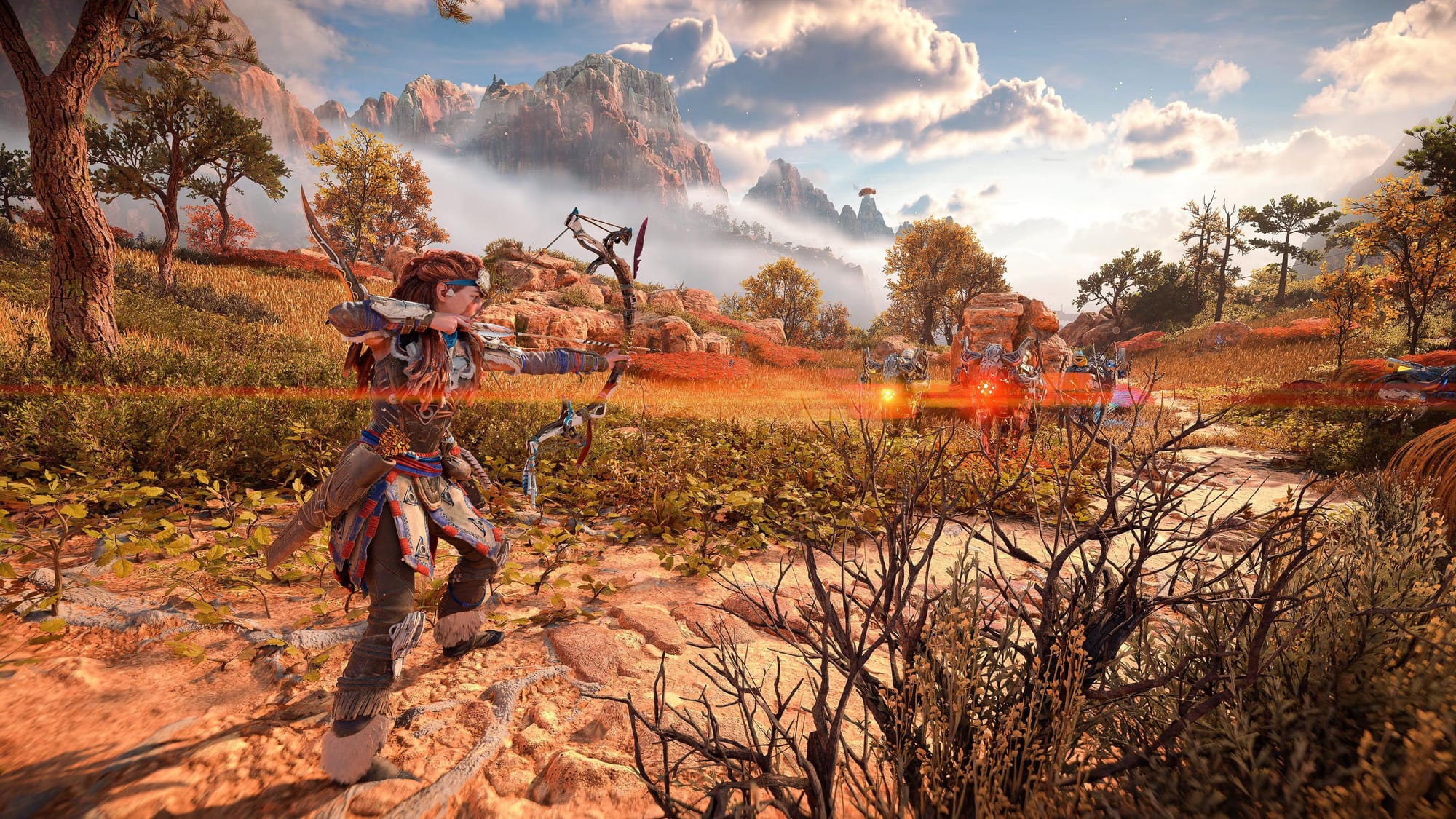
Aloy’s sophomore journey might trade katana duels for a spear and a bow, but it scratches the same open‑world itch as Ghost of Tsushima: sweeping vistas, wildlife, and combat that rewards patience, positioning, and precision. Skulking through long grass, tagging patrol routes, and striking from concealment feel familiar, as do quiet moments spent harvesting herbs, scaling cliffs, or following the breeze toward a tantalizing skyline. Guerrilla’s map design prizes natural sightlines over icon chasing, letting curiosity guide your route rather than a mini‑map. Melee got a meaningful boost, with combos, resonator builds, and perfect‑dodge windows making spear duels feel closer to Tsushima’s timing‑driven flow. Photo mode, cinematic storms, and a stirring score multiply the sense of place, while optional challenges—hunting grounds, cauldrons, rebel camps—work like focused skill tests between story arcs. If you loved wandering Tsushima for the vibes as much as the fights, Forbidden West’s painterly biomes and intentional pacing deliver a similarly restorative adventure for wanderers. It dazzles.
9) The Witcher 3: Wild Hunt (2015)
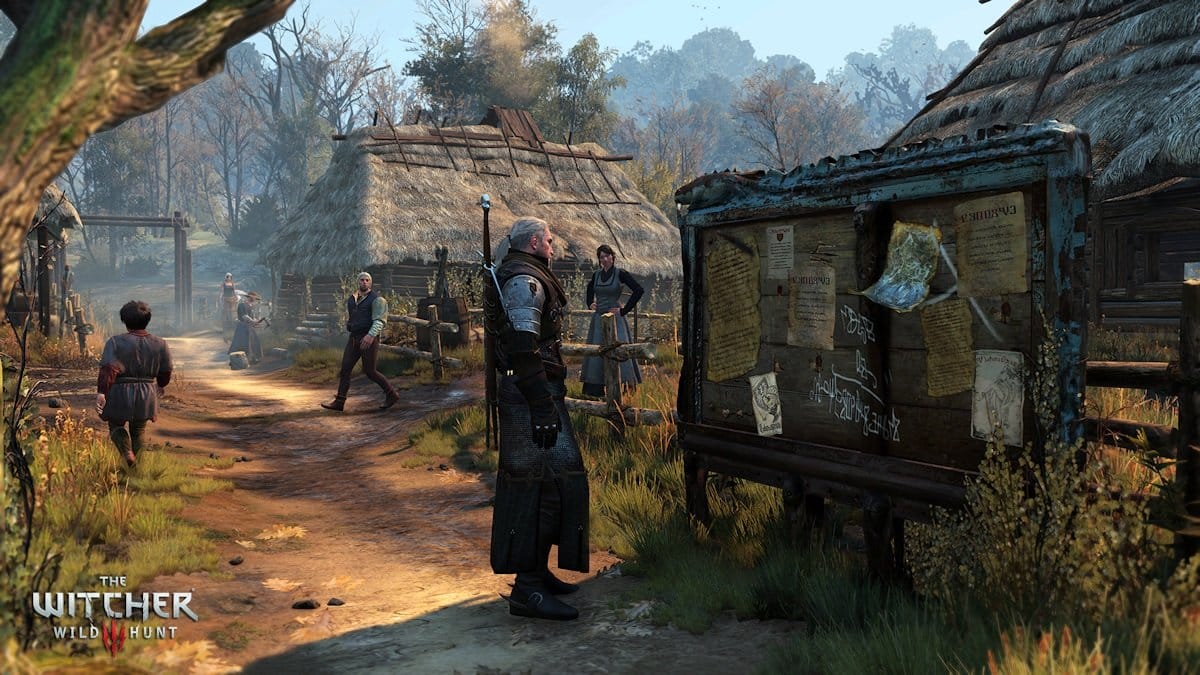
Geralt’s Continent isn’t Japan, yet it channels the same strengths that make Tsushima special: a vast open world that always gives you a tempting thread to chase, satisfying swordplay that favors timing over mashy combos, and a protagonist whose choices echo across the land. Fights blend counter‑strikes, parries, dodges, bombs, oils, and quick signs, turning every encounter into a careful dance where preparation matters as much as reflexes. Crucially, exploration rarely devolves into busywork. Hand‑crafted side quests and monster contracts are moral puzzles rooted in folklore, with outcomes that alter towns, relationships, and even the weather. Roach provides the same contemplative rhythm as Tsushima’s horseback travel: a breather between tense duels, scenic sunsets, and optional diversions like fistfights or Gwent. The expansions—Hearts of Stone and Blood and Wine—extend that sense of dramatic, character‑driven closure. If you crave grounded fantasy, meaningful role‑playing, and blade‑forward combat, The Witcher 3 remains a towering recommendation, even years after its debut.
8) Red Dead Redemption 2 (2018)
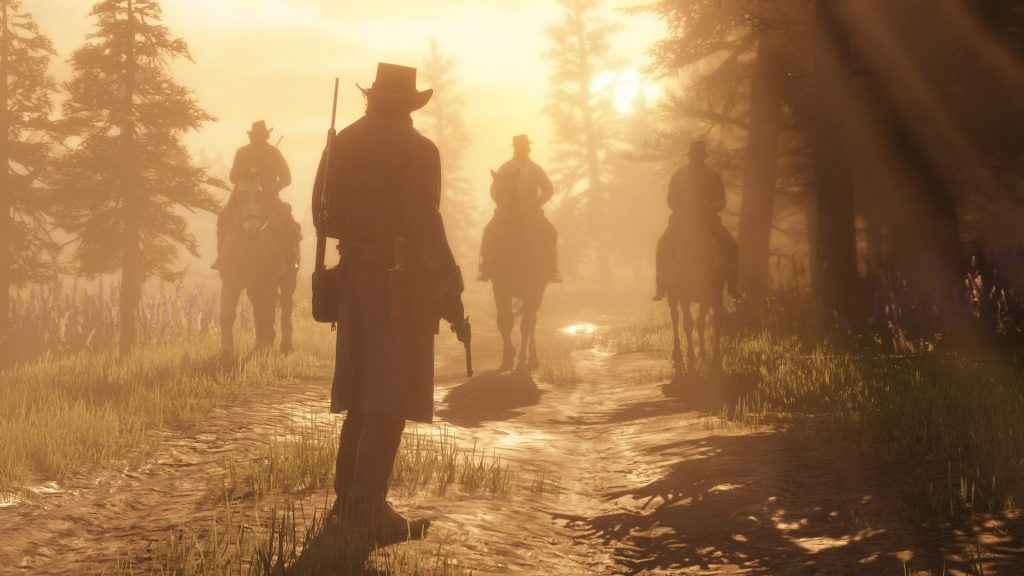
Swap the katana for a revolver and you still get a similar sensation: an astonishing open world where every ridge, creek, and horse trail tells a story. RDR2 mirrors Tsushima’s cinematic pacing and reverence for nature, letting quiet travel sequences and campfire talk breathe between sudden violence. Stealth matters more than newcomers expect; masks, soft‑footed infiltrations, and bow or knife takedowns echo the Ghost’s shadows. The honor system, like Jin’s evolving code, nudges you to weigh brutality against mercy while the gang’s familial bonds fuel an intimate character drama. You’ll spend as much time soaking in sunsets, grooming your horse, or hunting with a bow as you do raiding homesteads and riding into white‑knuckle shootouts. Importantly, Rockstar’s meticulous animation and first‑person toggle give every skirmish a tactile weight. If you love Tsushima’s patience, atmosphere, and scenic storytelling, this Western offers a kindred, slower burn with unmatched world detail. It rewards immersion as much as action.
7) Middle‑earth: Shadow of War (2017)
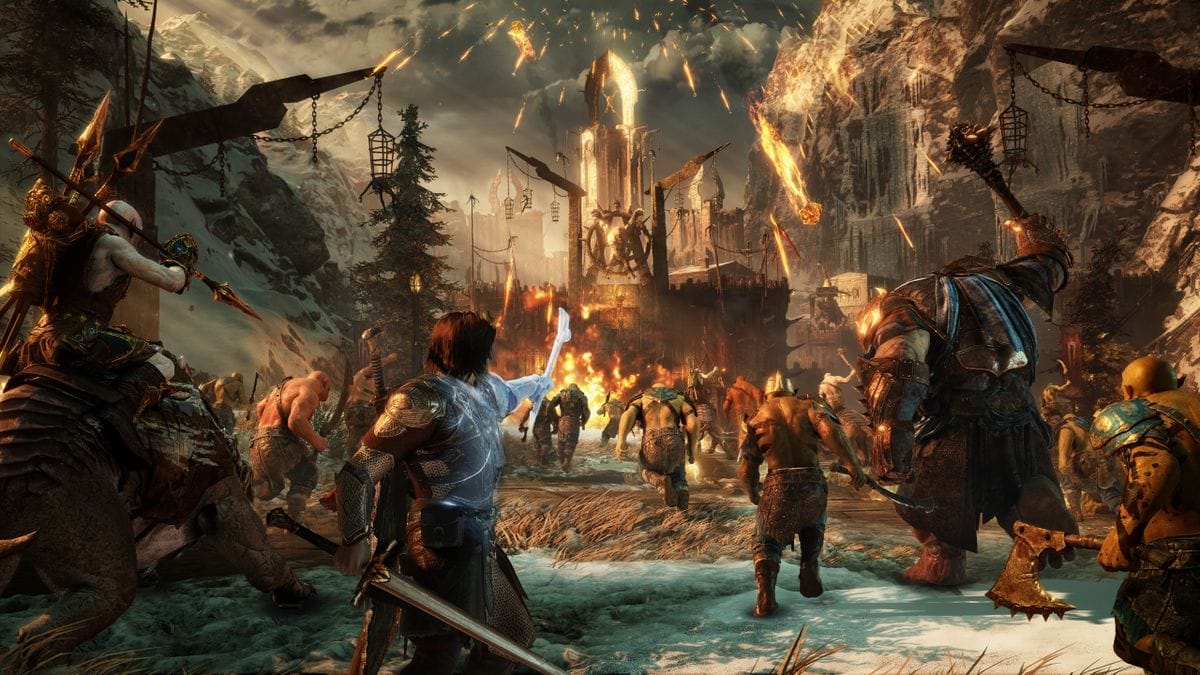
Tolkien’s Mordor trades samurai codes for wraith‑forged vendettas, yet it’s remarkably close to Tsushima in the moment‑to‑moment flow. You scout outposts, mark captains, crouch through brush, separate patrols, and ambush commanders with a decisive blade—the stealth‑melee loop is there. Then the Nemesis system adds a living layer: enemies remember your victories and defeats, adapt to your habits, taunt you mid‑duel, and rise through the ranks to seek revenge. That evolving cast gives your campaign a personal, improvisational texture similar to the emergent “rival” stories fans spin from Tsushima’s duels and standoffs. Open regions hide collectibles, lore snippets, and optional challenges that sharpen builds between big story beats. Compared to Tsushima’s grounded drama, Shadow of War leans into pulpy spectacle—wraith powers, drake riding, and swaggering orc overlords—but the core decisions about when to infiltrate, when to duel, and when to disappear still resonate, all while rewarding cunning over brute force consistently.
6) Kingdom Come: Deliverance (2018)
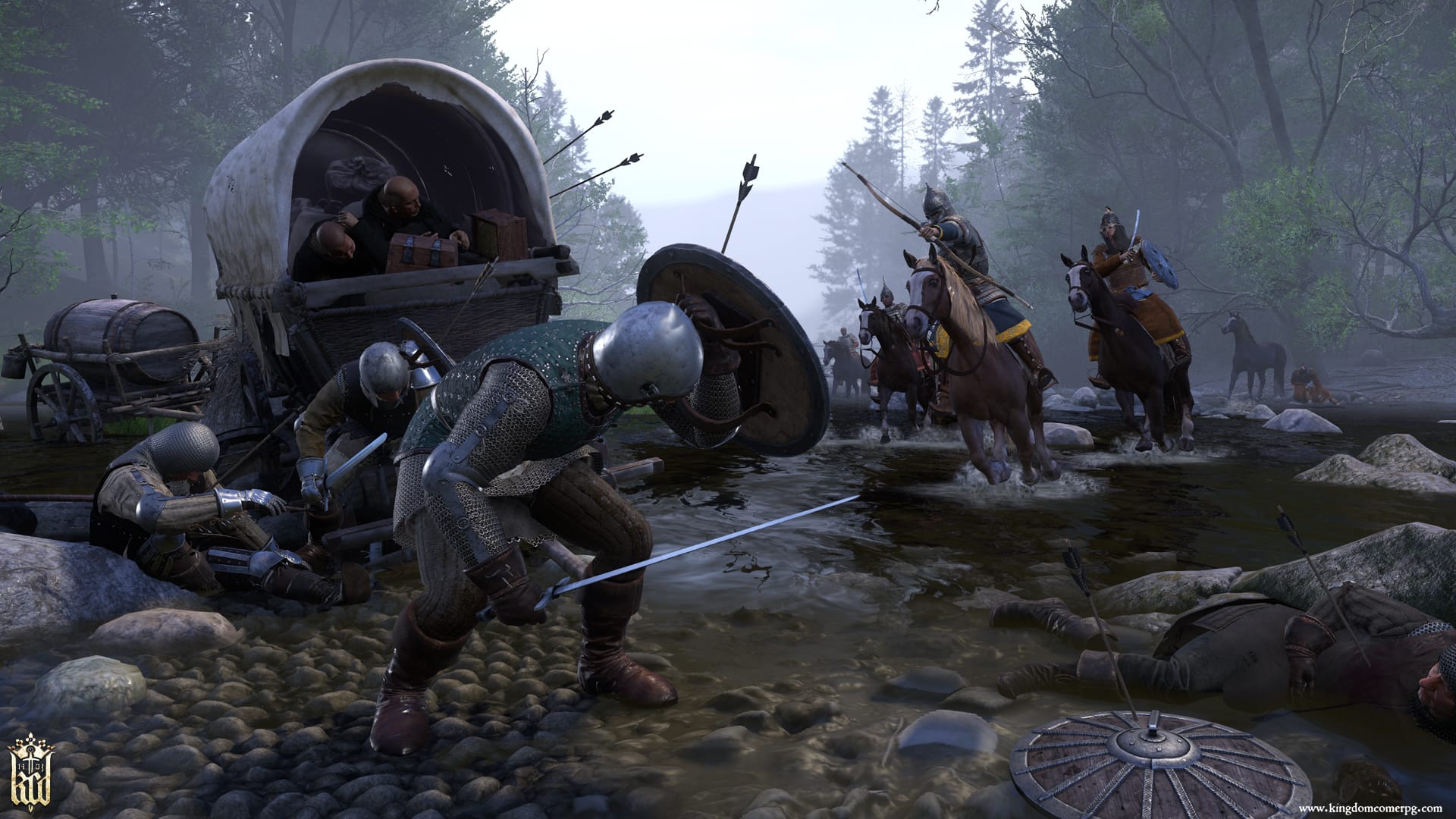
If Tsushima’s finest moments are measured duels and windswept wandering, Kingdom Come doubles down on that tempo. Its Bohemian countryside is grounded, historical, and quietly gorgeous—woodland paths, fog‑kissed fields, and timber towns rendered with documentary care. Swordplay is demanding yet deeply rewarding, using directional strikes, clinches, stamina management, and master strikes to recreate the chess of steel on steel. Scouts will case bandit camps, wait for nightfall, and pick their entry; bold players might ride in shouting, only to learn humility when stamina breaks. Skills grow organically through use—reading, horsemanship, alchemy, stealth—and factions respond to your clothes, reputation, and crimes. Like Tsushima, the journey from inexperienced fighter to capable duelist feels tangible, and side quests often hinge on empathy rather than body counts. Kingdom Come’s uncompromising systems can be prickly early on, but their texture makes every victory feel earned and every mistake educational. Stick with it and the simulation sings beautifully and believably.
5) Assassin’s Creed Odyssey (2018)
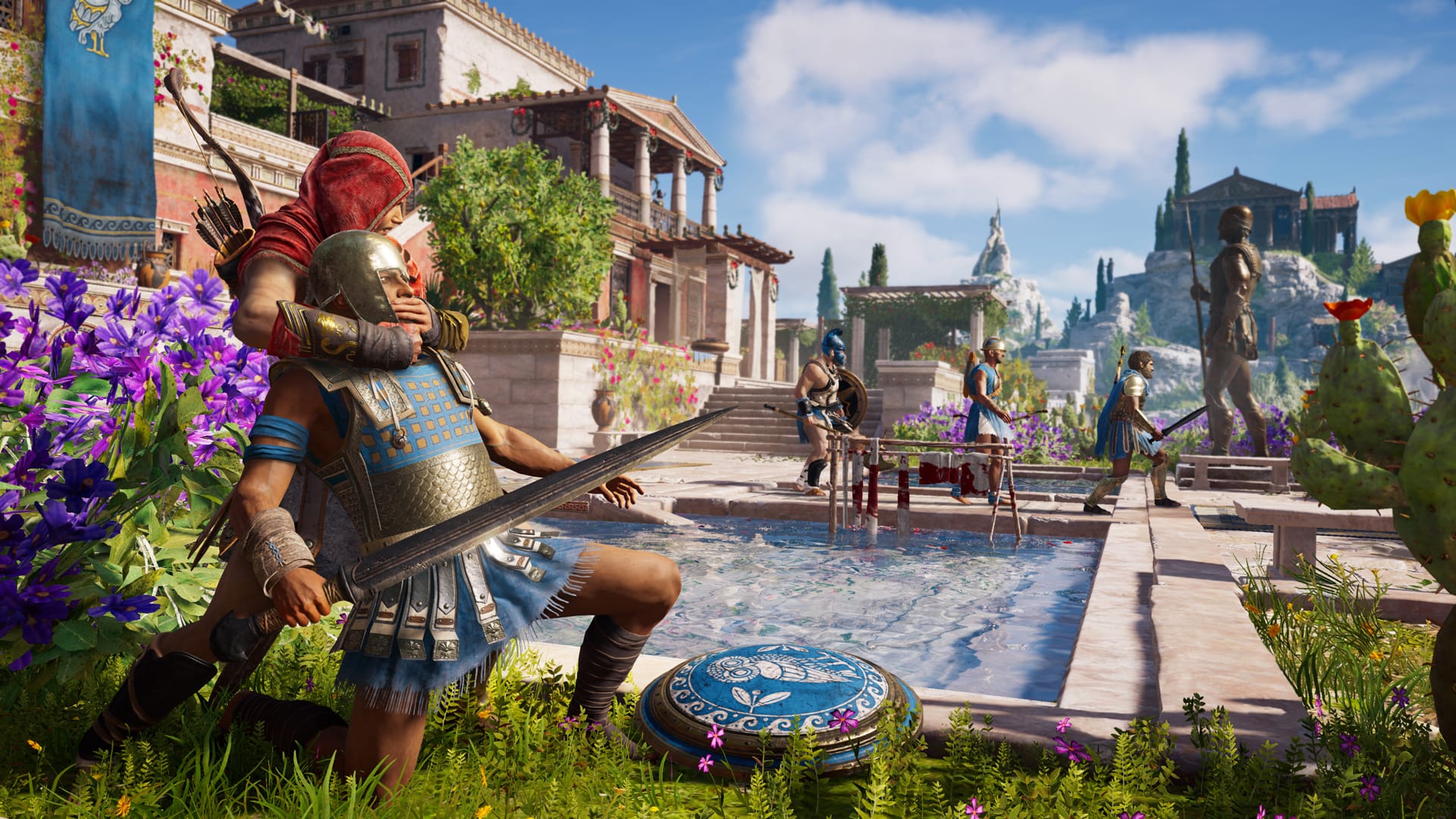
Odyssey is the Assassin’s Creed entry that feels most like a sibling to Tsushima before the series finally moved to Japan. You’re a lone misthios navigating occupied territories, liberating forts, dueling elites, and choosing when to slip into shadows or stride in proudly. Greece’s islands and valleys deliver the same wanderer’s serenity as you crest a hill and spy a distant temple, then let curiosity steer your horse or ship. Combat rewards spacing, perfect dodges, and timely abilities that stand in for Tsushima’s charms and stances, while a light stealth system supports creative infiltrations with whistles, bushes, and rooftop routes. The RPG layer—engraving gear, choosing dialogue, and deciding fates—anchors the journey in role‑playing agency rather than checklist churn. Naval exploration broadens the map’s rhythm, but on land the loop of scouting, marking, and striking echoes Jin’s best outings. For players who love open‑ended stealth, scenic exploration, and sharp steel, Odyssey remains a satisfying epic. Choices reshape quests and consequences.
4) Elden Ring (2022)
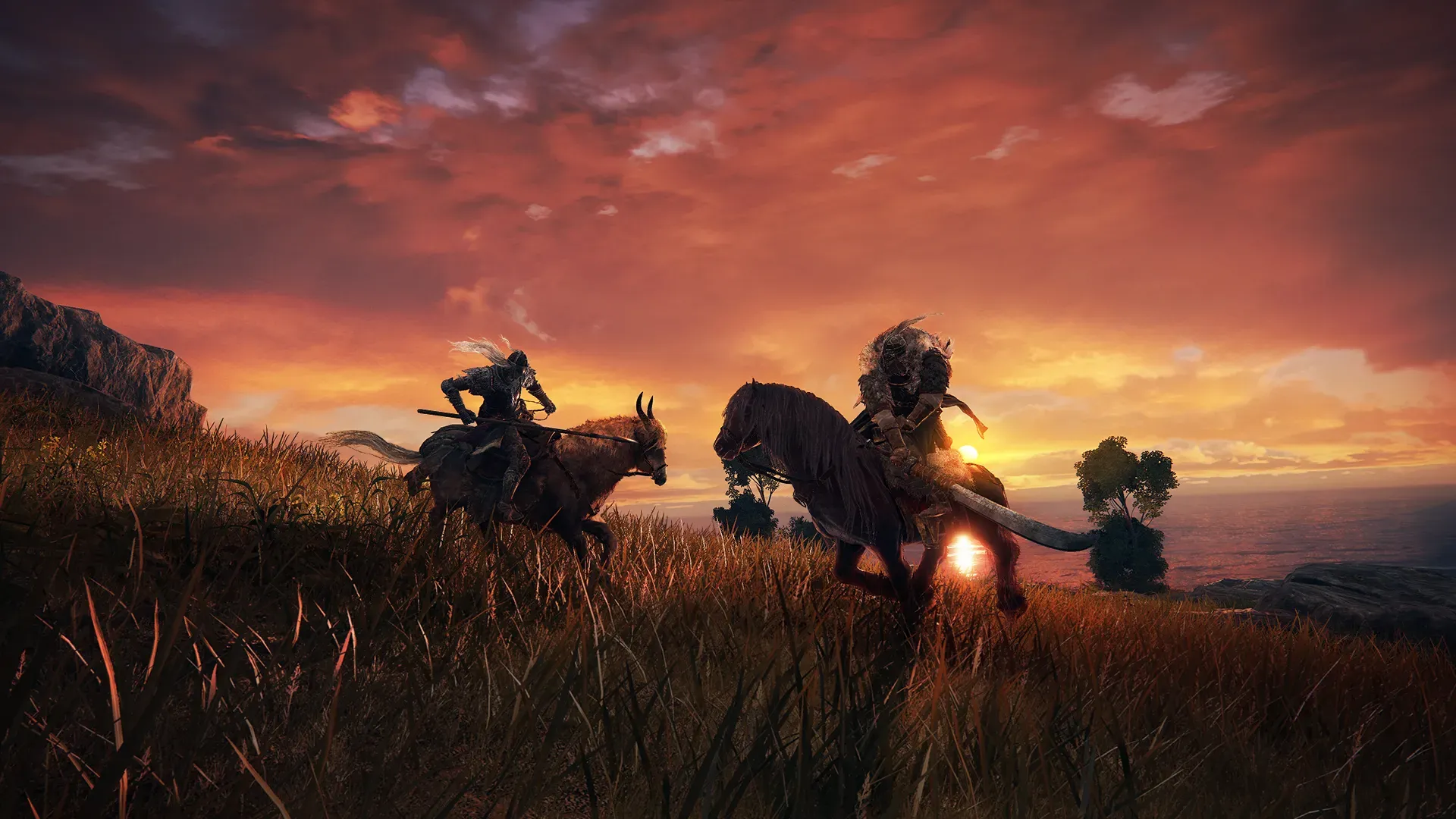
Strip away the reputation for brutality and you’ll see a kinship with Tsushima in how The Lands Between reward quiet exploration, decisive duels, and mastery of blades. FromSoftware’s open world trusts your curiosity, scattering caves, ruined keeps, and boss arenas across windswept plains and misty lakes you can cross on your spectral steed. Combat can be as precise as a Tsushima duel if you build for it—katanas, parries, bleed setups, and guard counters let timing sing. Stealth matters too; crouch in tall grass, backstab patrols, and thin out camps before taking on a commander. The storytelling is lighter touch, but the mood—lonely ruins, amber light, distant storms—matches Tsushima’s contemplative travel in a darker register. Crucially, the freedom to ride away from a wall and return stronger keeps frustration low while preserving high stakes. If you crave skillful swordplay, solemn beauty, and an open world that honors curiosity, Elden Ring is a magnificent pilgrimage. Torrent makes wandering effortless between brutal tests.
3) Rise of the Rōnin (2024)
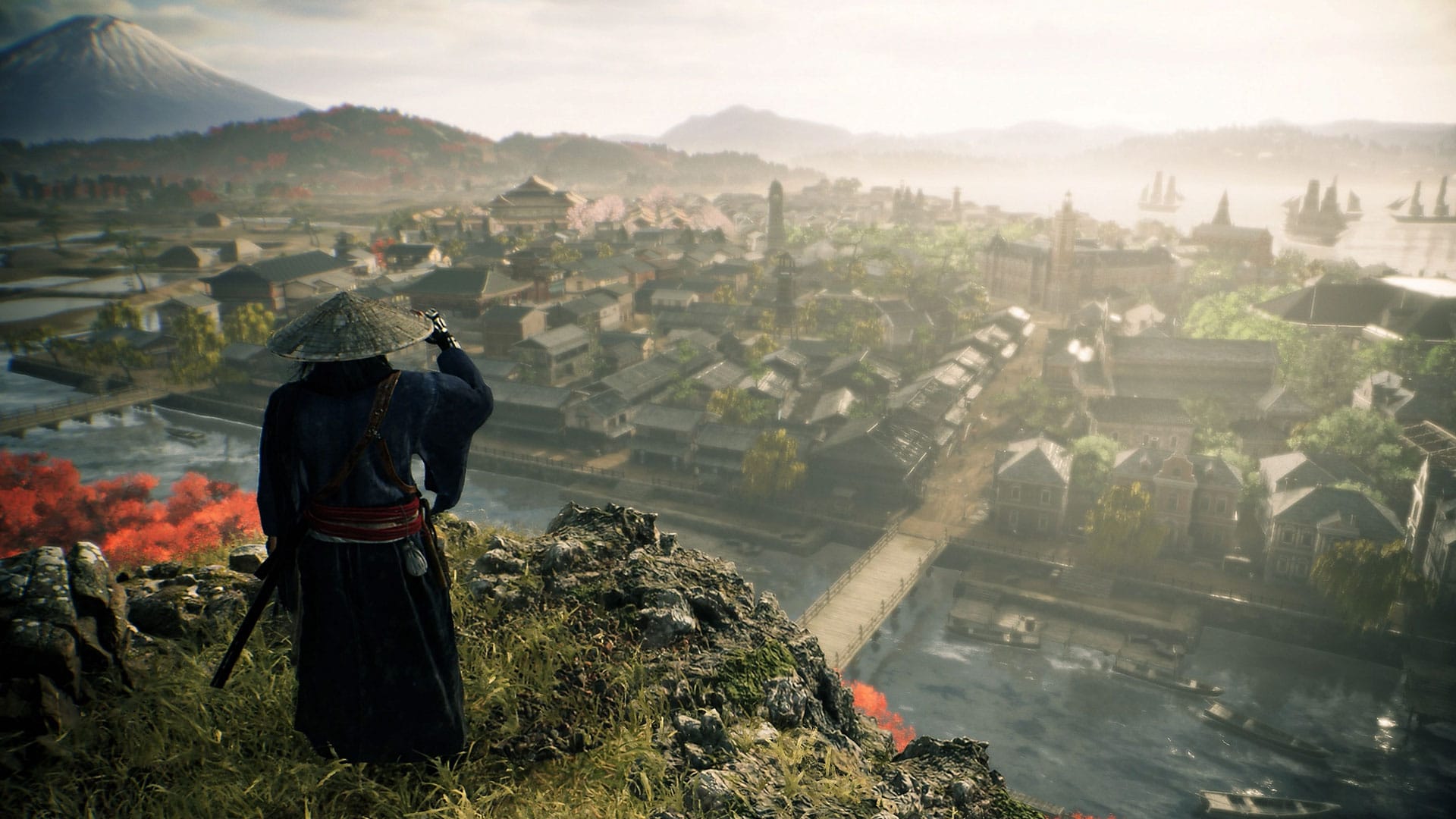
Team Ninja’s open‑world debut trades Nioh’s mission hubs for a free‑roaming Bakumatsu Japan where katanas share space with revolvers, gliders, and grappling hooks. Underneath the freedom lies a combat backbone Tsushima fans will love: crisp parries, weapon stances, mikiri‑like counters, and duels that end in a single, emphatic flourish if your timing is perfect. The map favors purposeful discovery over icon sprawl—roadside skirmishes, faction hideouts, and character‑driven quests that ripple through branching allegiances. A flexible difficulty, a full character creator, and three‑player co‑op let you tune the experience without dulling its dueling heart. Most importantly, choices about who to support in a turbulent era alter missions, town relationships, and late‑game outcomes, giving the road a lived‑in texture. If Tsushima’s blend of blade discipline and freeform exploration hooked you, Ronin is an easy recommendation that adds gadgets and swagger without losing steel‑on‑steel drama. Combat feels expressive yet readable right away.
2) Assassin’s Creed Shadows (2025)
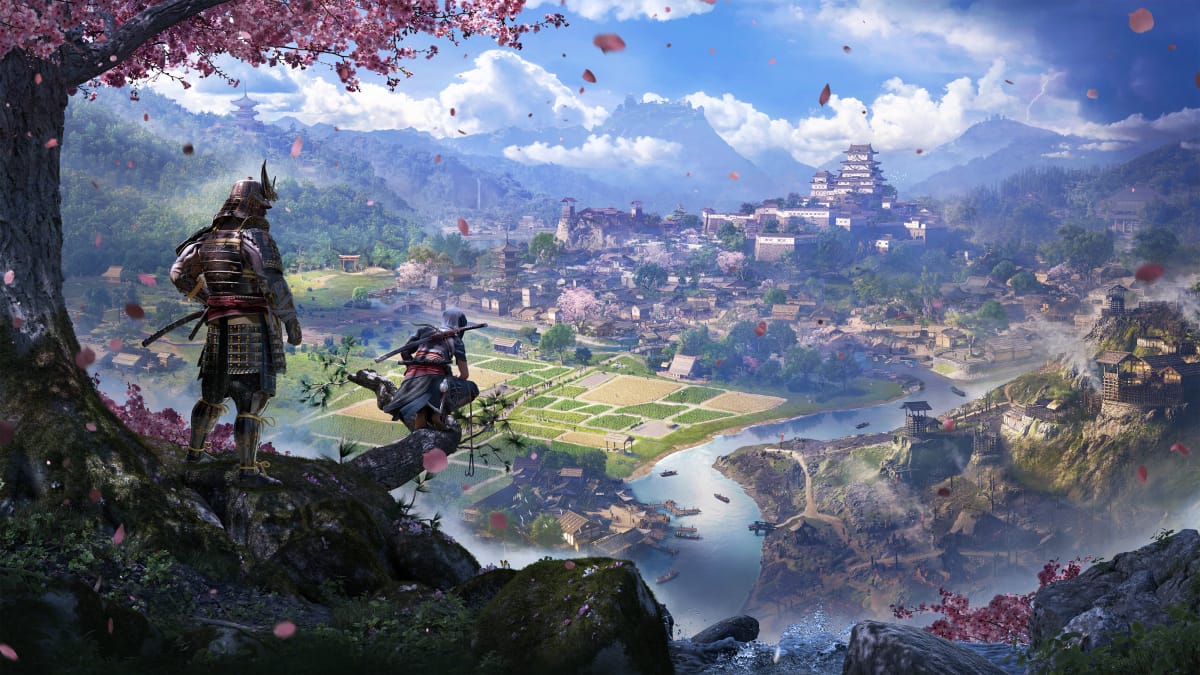
Shadows finally commits the series to Sengoku‑era Japan with a clever dual‑protagonist structure: the kunoichi Naoe excels at classic stealth, while the samurai Yasuke brings thundering weight to stand‑up fights. That pairing mirrors Tsushima’s spectrum from honorable duels to ghost‑like infiltration, and the world is built around it—dense castles, reed‑lined rivers, and villages that shift with weather and time. Exploration is classic Assassin’s Creed—perches, shrines, contracts, and target boards—but combat carries more heft than earlier entries thanks to dedicated parries, guard breaks, and stance‑like attack flows. As ever, the joy is choosing your approach: scale a pagoda at dusk and slip through fragile walls as Naoe, or stride through the gate as Yasuke and issue a formal challenge. Seasonal changes reshape routes and enemy behavior, rewarding scouts who watch the world. For Tsushima fans, Shadows is a swords‑and‑stealth playground that feels contemporary, confident, and culturally rich—constantly fresh throughout the campaign.
1) Ghost of Yōtei (2025)
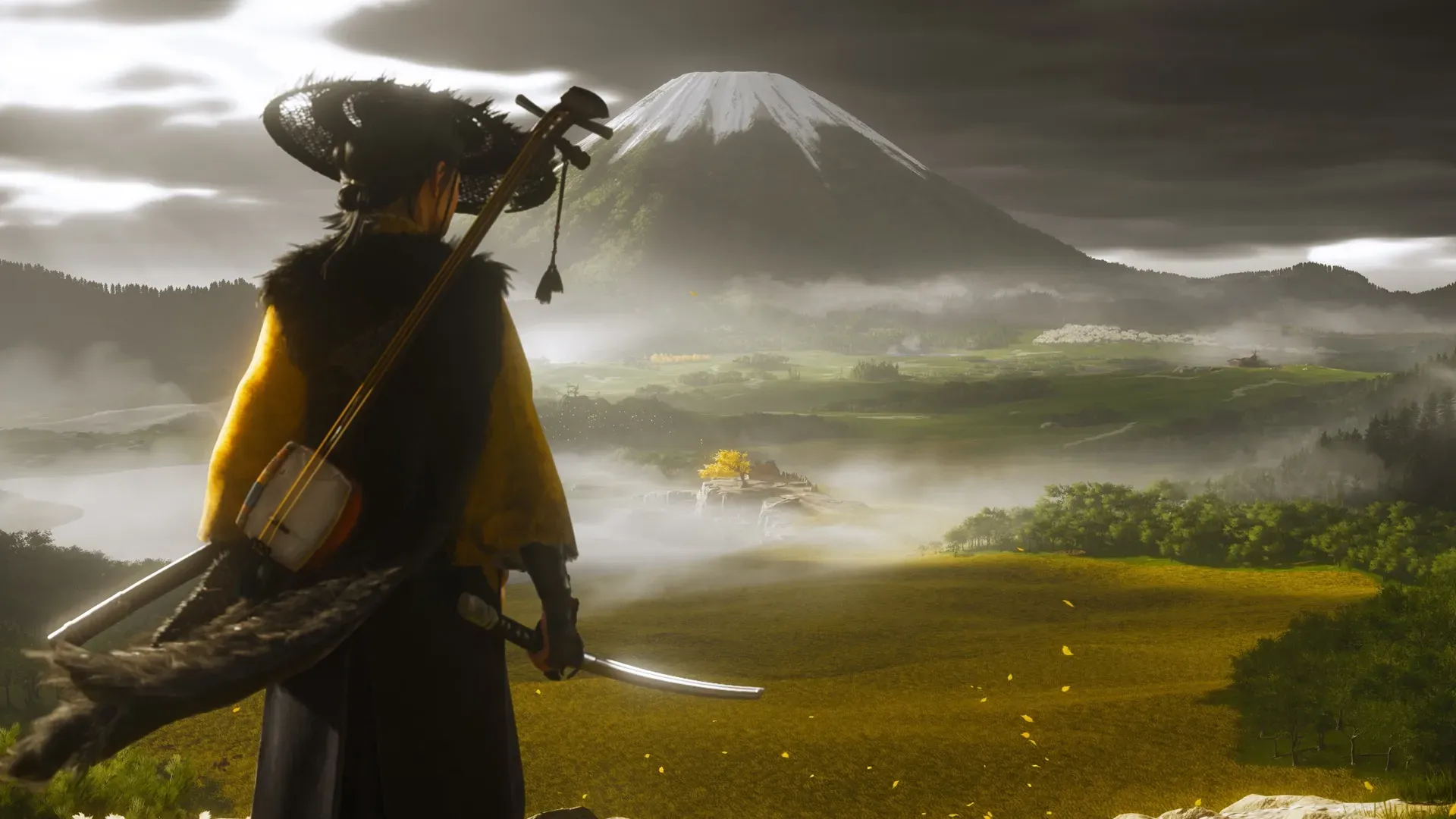
From the studio behind Ghost of Tsushima, Yōtei is the most natural next stop: a standalone PS5 epic set centuries later at the northern edge of Japan. You play as Atsu, a haunted mercenary whose revenge journey takes her across wildflower fields, snowy ridges, and wind‑carved cliffs—as cinematic as anything Sucker Punch has framed. The combat deepens Tsushima’s elegant grammar of parries, counters, and measured strikes with new ranged tools and a broadened arsenal while retaining the clarity that made duels sing. Optional activities and master trainers feed exploration instead of checklist fatigue, and PS5 features—haptics, 3D audio, and fast loading—amplify the sensation of stepping into a windswept painting. Legends‑style co‑op returns post‑launch, but the heart remains a single‑player odyssey that treats quiet travel and connection with respect. If you want the truest successor to Tsushima’s open‑world samurai fantasy, this is it: familiar, refined, and ready for mindful rides beneath golden leaves. It is Tsushima’s spirit, sharpened for a frontier.


