


The best modern hack‑and‑slash ARPGs for loot‑hungry demon slayers who want more builds, more grind, and more endgame.
1) Path of Exile 2 (2024)
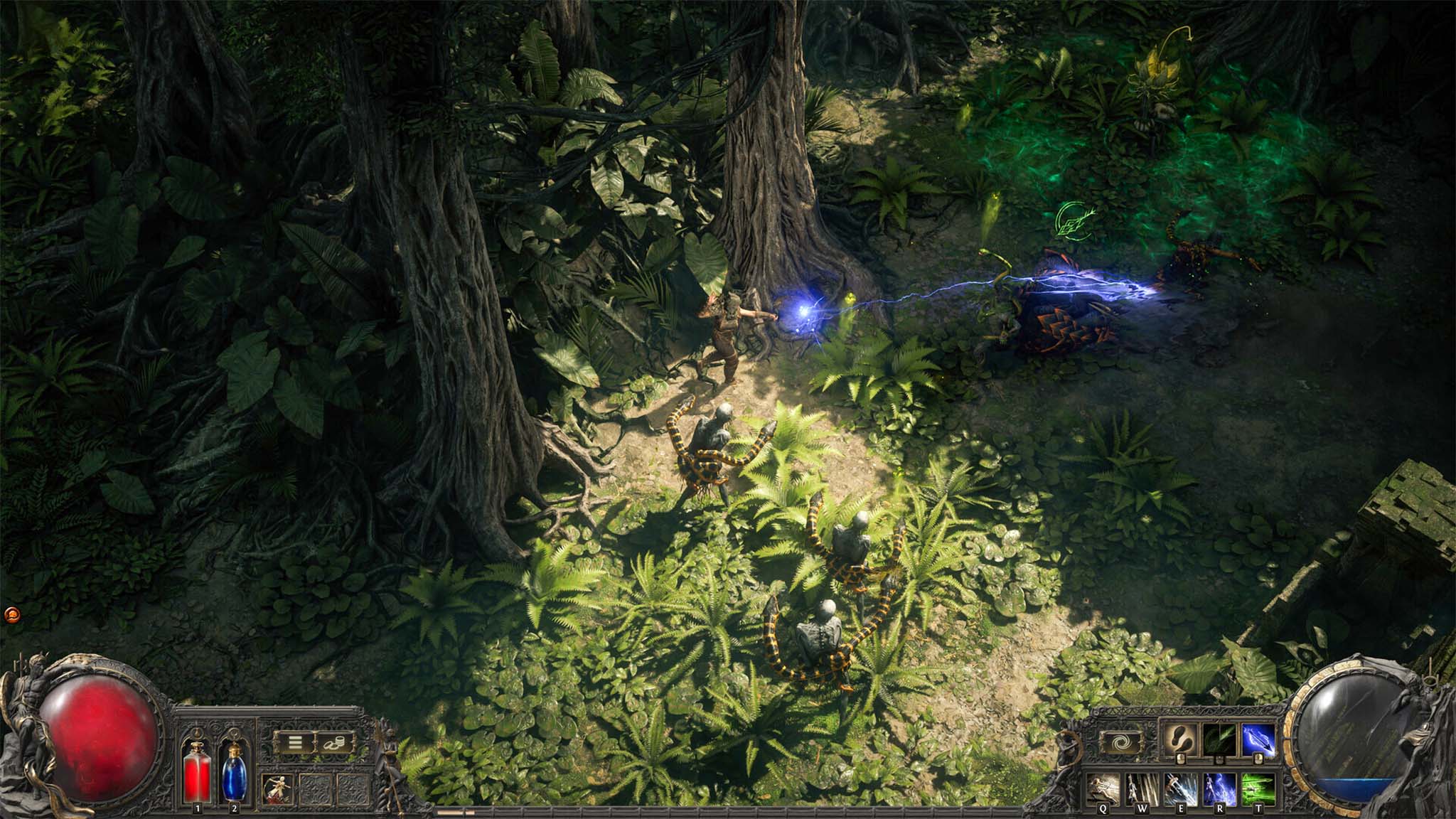
Path of Exile 2 is the most obvious next stop after Diablo 4: a grim, build‑crafting ARPG with a ruthless endgame and seasons (called “leagues”) that reshape the meta. It launched in Early Access in December 2024 and has been expanding with major updates—expect deep itemization, a sprawling passive tree, and class archetypes that reward clever synergy rather than rote stat stacking. Combat has more weight than the original PoE, but the spirit of theorycrafting remains intact: socketed skill gems, robust crafting, and trade‑driven progression. If you loved experimenting in D4 but wanted even more freedom and complexity, PoE2 lets you go wild without handcuffs. Be ready to reroll, learn intricate systems, and chase aspirational loot across a multi‑act campaign and evolving endgame. It’s still Early Access, but it’s already an elite ARPG for players who enjoy discovering broken builds and pushing ladders.
2) Path of Exile (2013)
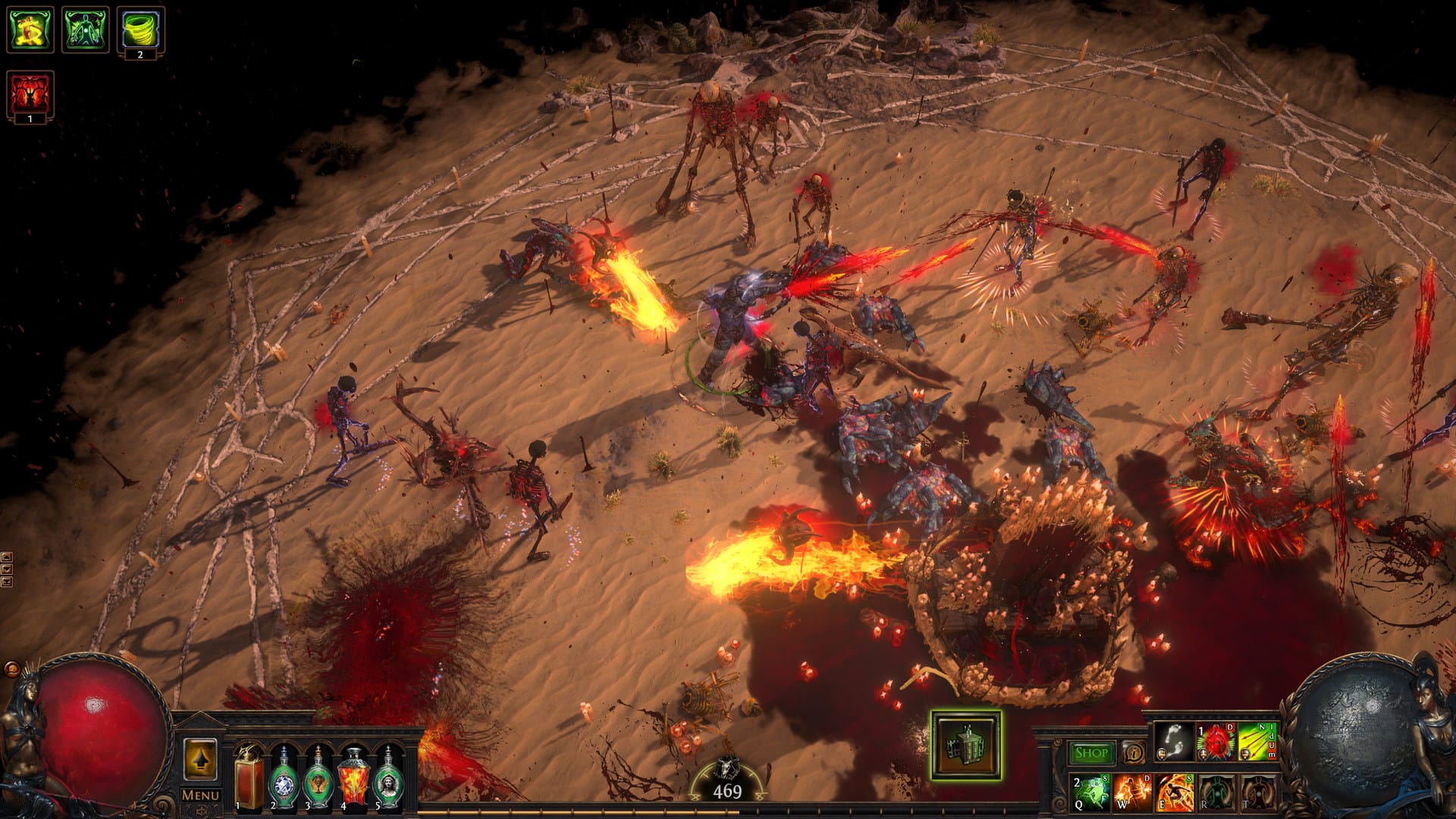
The original Path of Exile remains a juggernaut: free‑to‑play, brutally deep, and constantly refreshed by challenge leagues. You’ll find a mountain of content—multiple campaigns, Atlas endgame mapping, and league‑specific mechanics rolled into the core—plus the signature socketed gem system that turns skills into modular LEGO. Its passive tree is daunting, but the payoff is unmatched build expression. While Diablo 4 emphasizes immediacy and accessibility, PoE leans into discovery, economy, and long‑tail mastery; trading, crafting, and overlapping progression layers make it an ARPG you can mainline for months. The art direction is grim and grounded, the boss design is clever, and the endgame economy creates a living meta where YouTube guides can launch markets overnight. If you’re build‑curious, alt‑aholic, or just like seasons that feel dramatically different, PoE delivers a staggering amount of value—especially for zero upfront cost.
3) Last Epoch (2024)
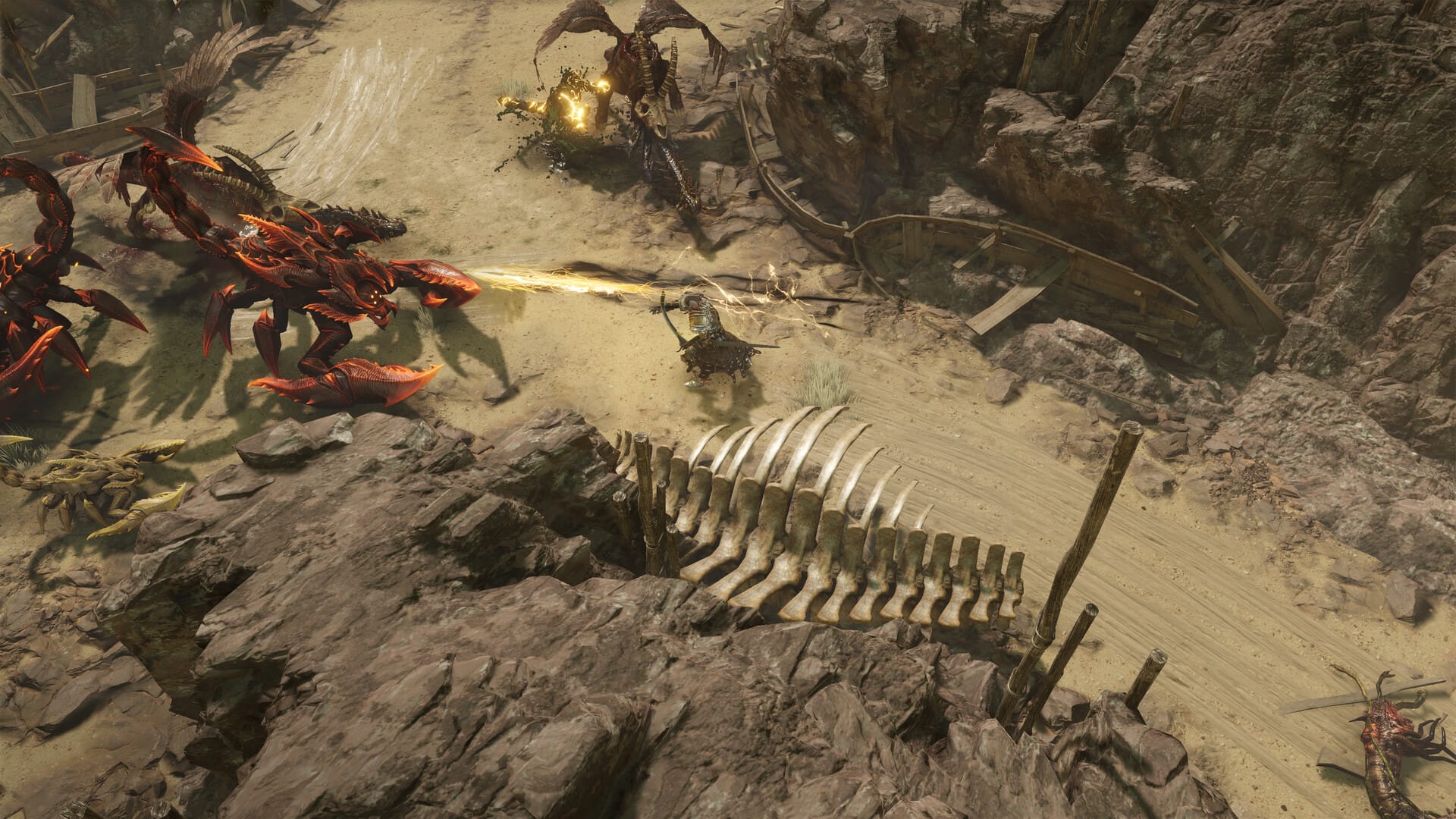
Last Epoch is the smoothest on‑ramp from Diablo 4: it couples satisfying moment‑to‑moment combat with robust, readable buildcraft. Released 1.0 in February 2024, it features a timeline‑hopping campaign, endgame “Monoliths,” and faction systems that meaningfully affect crafting and loot chasing. The standout is specialization trees for each skill—every ability becomes its own mini talent tree—so you can pivot a single skill into wildly different roles. Crafting is deterministic enough to target upgrades without turning loot into a spreadsheet. Balance leans toward empowering experimentation, and seasons (“Cycles”) inject fresh progression without overwhelming new players. Whether you want a bone‑shattering Warlock, a lightning‑spamming Runemaster, or a pet swarm Druid, builds feel expressive without requiring an economics degree. It’s also one of the best‑performing ARPGs on mainstream PCs, with clear telegraphs and a slick UI. If you bounced off PoE’s density but crave deeper systems than D4, Last Epoch is a perfect middle path.
4) Grim Dawn (2016)
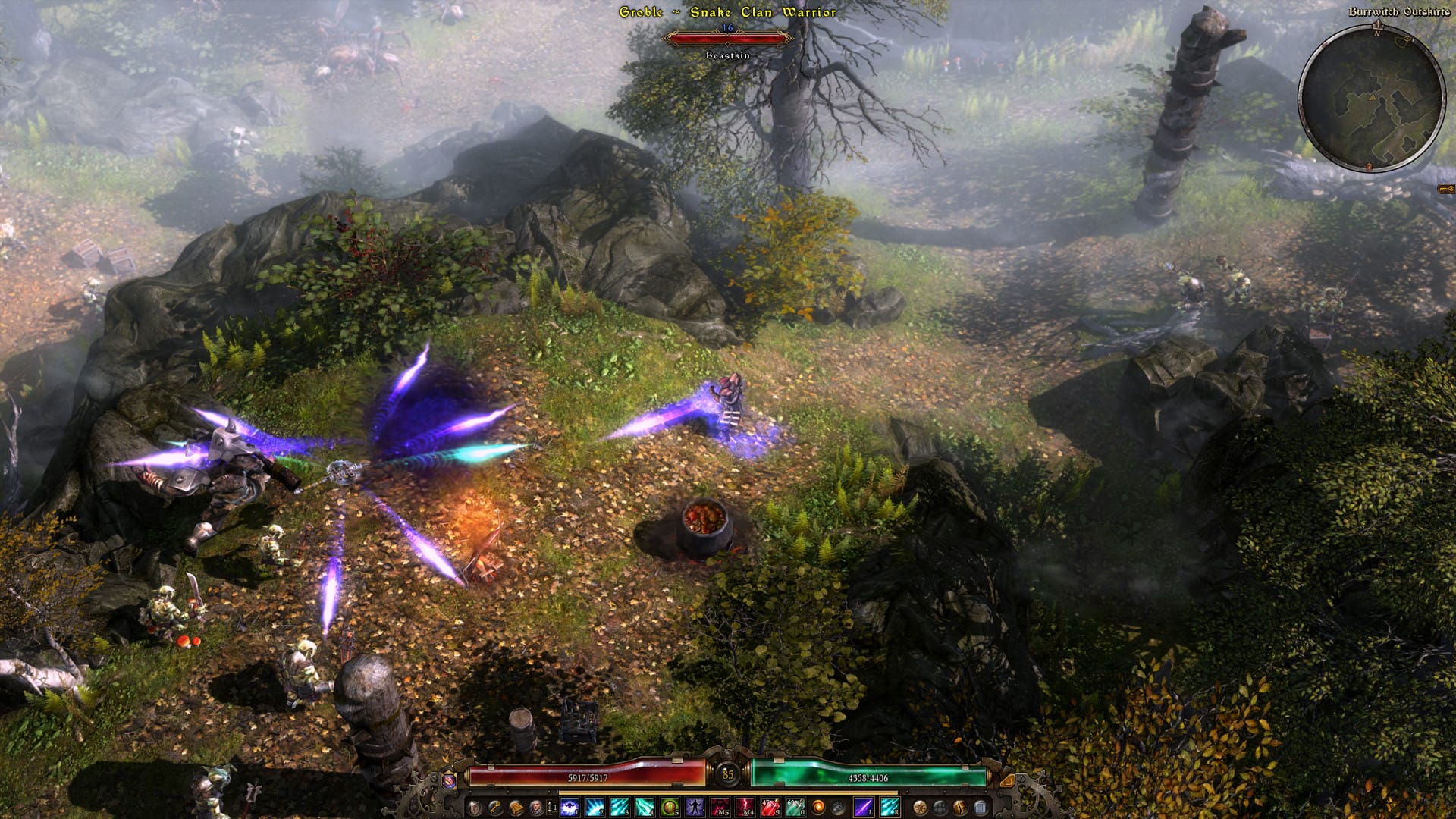
Grim Dawn is an old‑school masterwork with modern comforts. Its secret sauce is the dual‑class system—combine two of nine “masteries” to create hybrid archetypes like Witchblade (Soldier + Occultist) or Spellbinder (Arcanist + Necromancer). Layer in the Devotion constellation for proc‑based powers and you get a build lab that feels distinct from both Diablo and PoE. The world of Cairn oozes atmosphere, with faction reputations, multiple endings, and dense side content. It shines as a single‑player or co‑op campaign game with tons of expansion support (Ashes of Malmouth and Forgotten Gods) and an endgame that favors relentless tinkering over seasonal resets. Combat is crunchy, loot is meaningful, and the patch‑and‑expansion cadence has matured it into a remarkably complete package. If you want a meaty campaign with Diablo‑like flow but deeper character engineering, Grim Dawn is still one of the genre’s finest.
5) Lost Ark (2019)
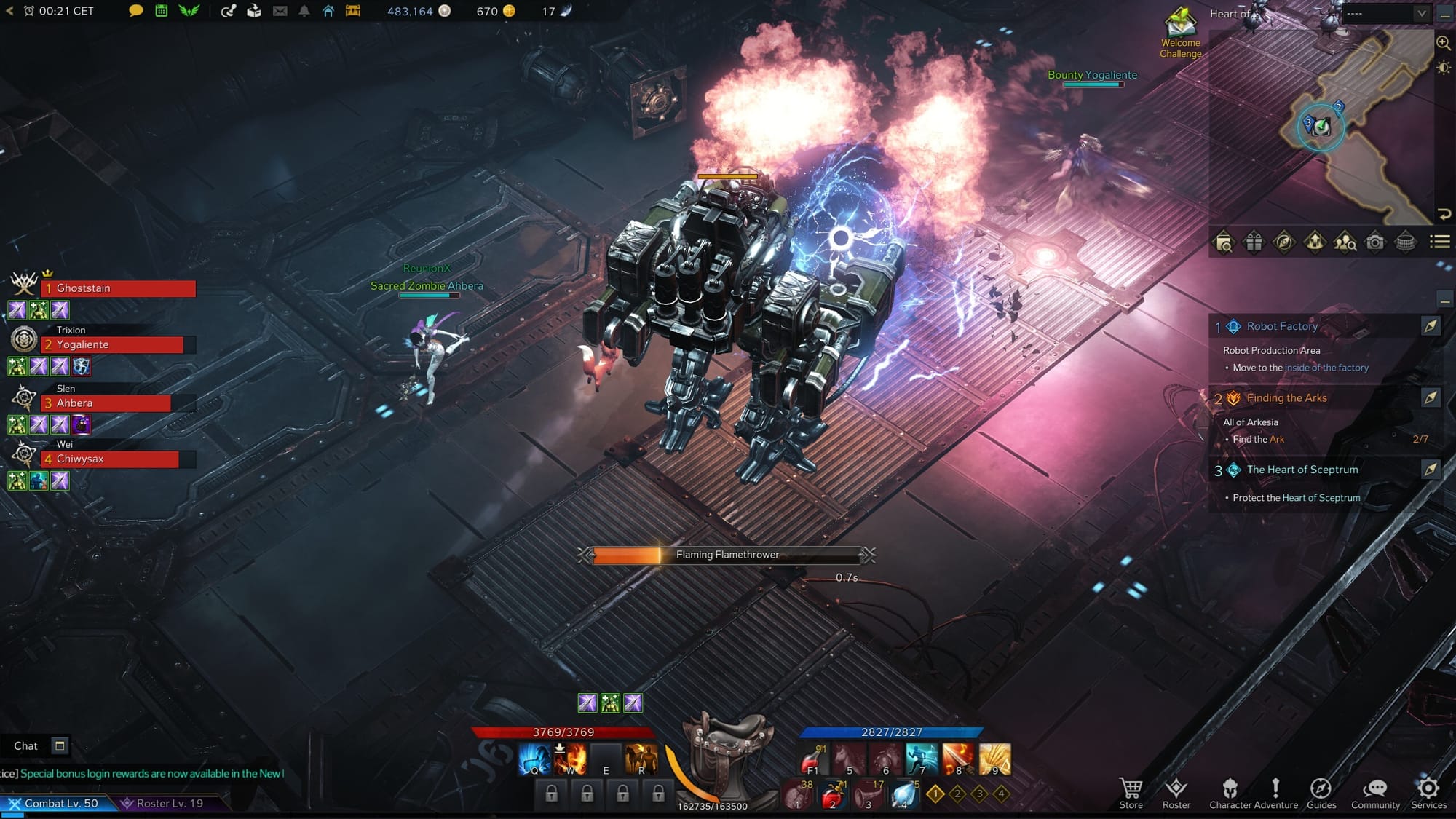
If you want Diablo‑style combat paired with MMO scope, Lost Ark delivers enormous bang for your time. It’s a top‑down action RPG with fluid, controller‑friendly combat, generous build customizations via Tripods and Engravings, and a deluge of instanced content—from cinematic story dungeons to Guardian Raids and Legion Raids that demand teamwork and pattern mastery. As an MMOARPG, it differs from Diablo 4’s seasonal rhythm; progression unfolds across continents, sailing systems, strongholds, and a live service cadence packed with events. The core loop, though, is familiar: annihilate mobs, pilot spectacular builds, and chase power. It launched in Korea in 2019 and hit the West in 2022, where it quickly became a Steam phenomenon. If you enjoy D4’s group content and live‑service cadence but crave more raid‑centric endgame and class fantasy, Lost Ark is a slick, social alternative.
6) Wolcen: Lords of Mayhem (2020)
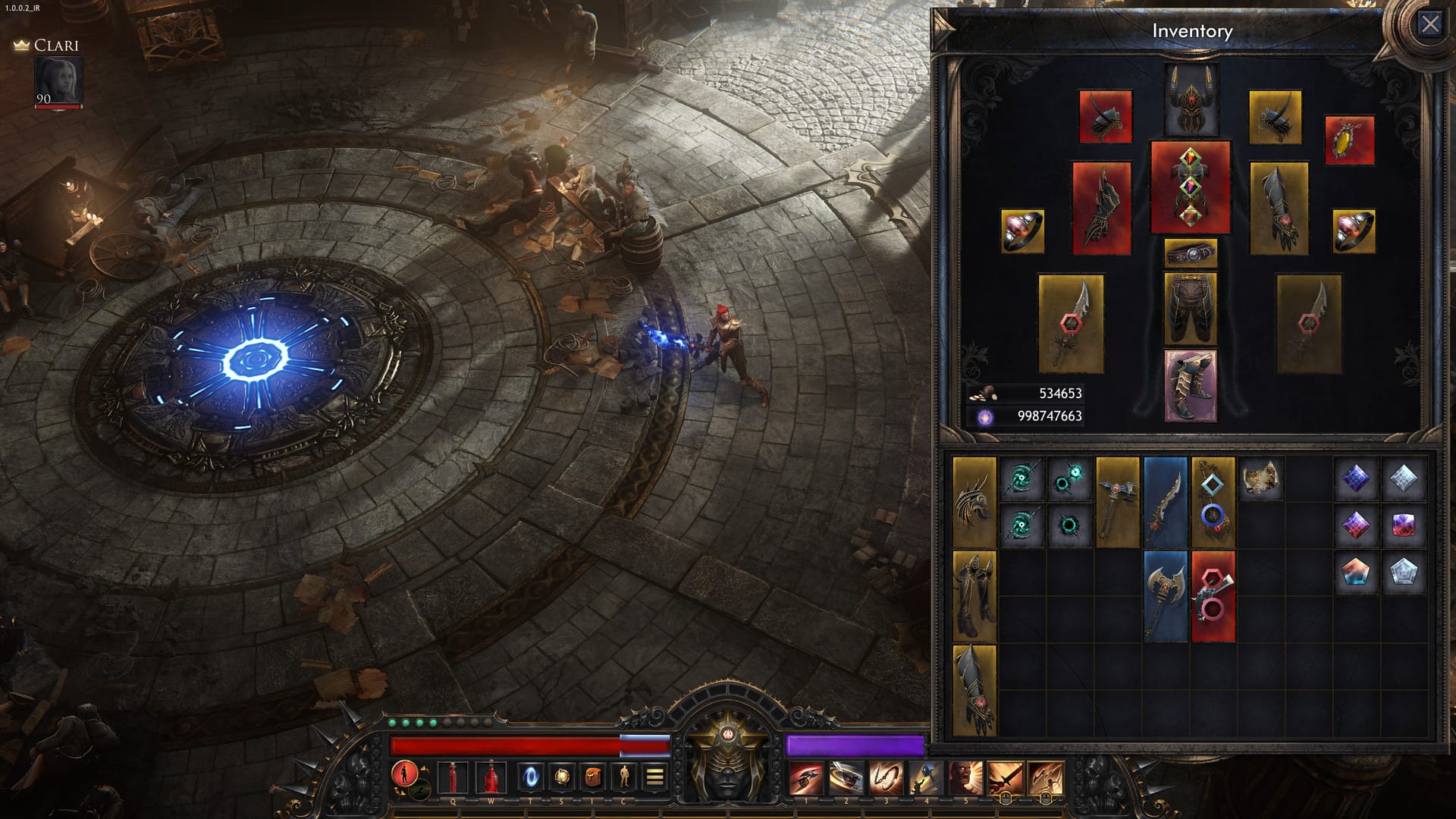
Wolcen is a visually striking ARPG with flexible classless progression and a distinctive resource system. You’re not bound to a class; instead, you mix active skills with a rotating passive “Gate of Fates” to define your playstyle. Combat emphasizes mobility and spectacle—dodge‑rolling through telegraphed attacks, unleashing screen‑filling ultimates via “Aspects of Apocalypse.” While its launch was bumpy, post‑release patches steadily improved stability and balance, and the core appeal remains: fast, flashy combat with room to theorycraft. If D4’s class identities felt limiting, Wolcen’s class‑agnostic approach invites tinkering without rerolling. The endgame loop focuses on expeditions and crafting for targeted upgrades, and controller support is solid if you prefer couch ARPGing. It’s not the deepest systemically, but it’s one of the most immediately satisfying to play, and a good palate cleanser between heavier, economy‑driven games.
7) Warhammer 40,000: Inquisitor – Martyr (2018)
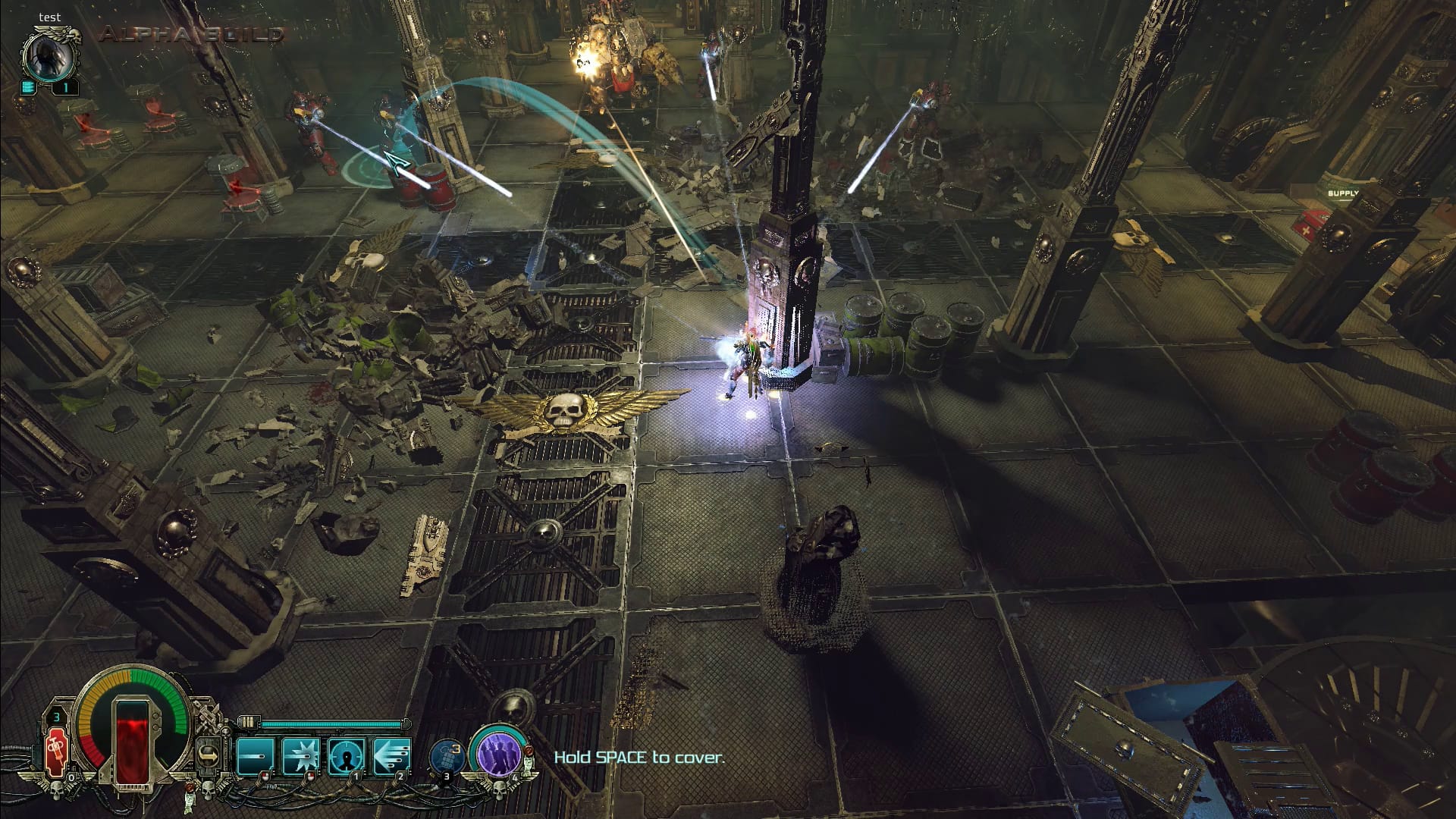
Martyr transposes Diablo‑style looting and buildcraft into the grimdark Warhammer 40K universe. You’ll play as different Inquisitor archetypes (Crusader, Assassin, Psyker, more via DLC) across randomly generated missions, Purge objectives, and set‑piece boss fights. The twist is how it leans into ranged combat, cover, and destructible environments, making positioning and weapon choice matter as much as stats. Post‑launch support added a Seasonal Journey mode that bundles past leagues, while expansions and updates introduced new classes and endgame variants. The power fantasy of burning heretics with plasma or smiting demons as a Psyker lands squarely in the Diablo comfort zone—only with chainswords and bolt pistols. If you’re a D4 player who wants an ARPG where firearms and nuke‑y psychic builds feel as crunchy as melee, Martyr is a flavorful change of scenery with plenty to grind.
8) Torchlight II (2012)
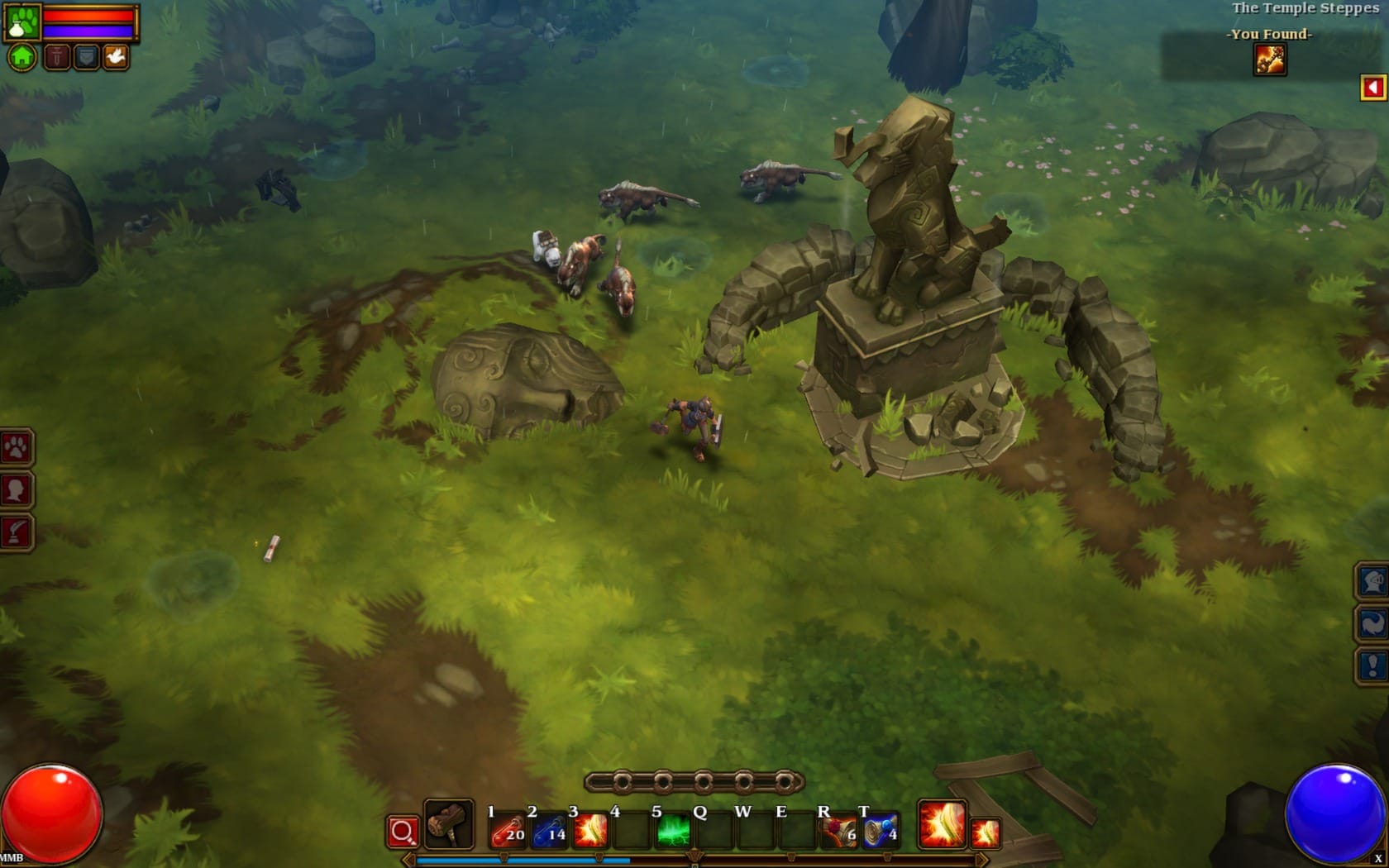
Torchlight II remains one of the most joyful ARPGs ever made: bright art, bouncy combat, and a legendary pet system that lets you sell loot without leaving dungeons. Underneath the charm sits a surprisingly deep item game, satisfying class identities (Engineer, Outlander, Berserker, Embermage), and full online/LAN co‑op. Crucially, it embraced mods—everything from class overhauls to entire endgame frameworks—so the game’s longevity stretches far beyond the campaign. Compared with Diablo 4, Torchlight II is lighter and more arcade‑like, but the dopamine loop is timeless: crits pop, elites explode, and your character grows in tangible, satisfying steps. If you want a breezy, endlessly replayable loot‑fest to play with friends—or you’re revisiting the roots of modern ARPG design—Torchlight II is a comfort classic that still shines on today’s hardware (including modern consoles).
9) Victor Vran (2015)
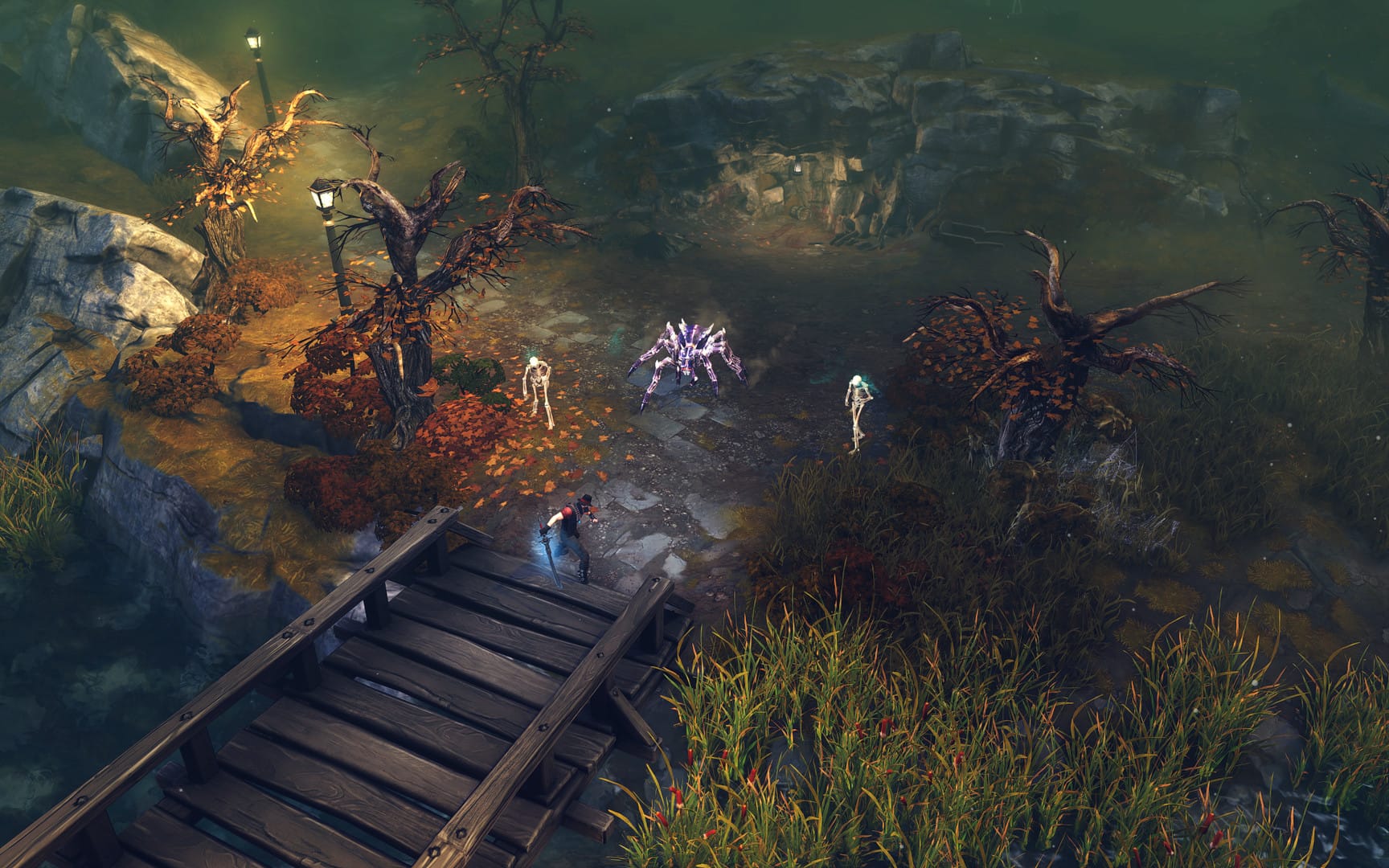
Victor Vran shifts the Diablo formula toward action‑platforming without losing the loot chase. You can dodge, jump, and ground‑slam, making combat feel more kinetic than most click‑to‑move ARPGs. Instead of rigid classes, you swap weapon types (rapiers, hammers, shotguns), cards, and demon powers to shape your build on the fly. The “Overkill Edition” folds in expansions including Motörhead: Through the Ages—yes, that Motörhead—adding wild themed levels and gear. It’s a refreshing alternative if you loved D4’s moment‑to‑moment combat and want something that prizes skill expression and mobility while still feeding you satisfying affixes and set bonuses. Co‑op is supported, the UI is clean, and difficulty challenges in each area reward mastery. It’s also a great pick for controller players, thanks to responsive movement and generous i‑frames on dodges and jumps.
10) Titan Quest: Anniversary Edition (2016)
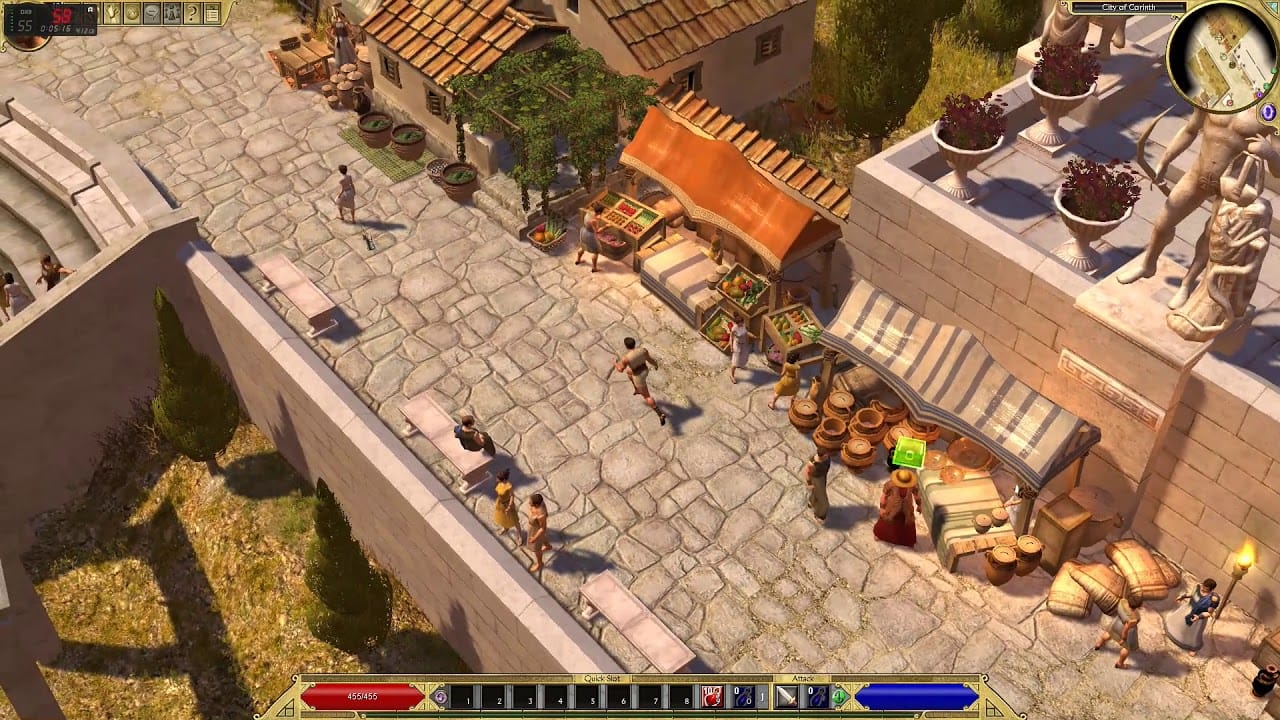
Before Diablo 4’s open fields and ancient ruins, Titan Quest took us through mythic Greece, Egypt, and Asia with a superb loot treadmill and timeless dual‑mastery system. The 2016 Anniversary Edition revitalized the classic with multiplayer fixes, widescreen support, and balance passes, then kept growing with sizeable expansions like Ragnarök, Atlantis, and Eternal Embers. What makes it a worthy D4 alternative today is feel: readable combat, meaningful attribute choices, and masteries that combine into flavorful hybrids (e.g., Storm + Defense for a Spartiate storm tank). The theming is unmatched—fighting cyclopes, mummies, and Chinese mythic beasts remains a joy—and the endgame can still hook you with farming routes and self‑imposed challenges. If you want an approachable, content‑rich ARPG that ages like wine and runs on anything, this remastered classic keeps on giving.
How we chose
We prioritized ARPGs with Diablo‑like camera, loot‑centric progression, repeatable endgames, and ongoing support, then mixed in a few older standouts whose systems still hold up beautifully today.
Alternate picks (if you want even more)
- Warhammer: Chaosbane (2019 — Eko Software): A brisk, co‑op‑friendly romp set in Warhammer Fantasy with clean endgame loops.


