


From Old Detroit to Pandora: The 10 Best Modern Games Based on Movies
10) World War Z: Aftermath (2021)
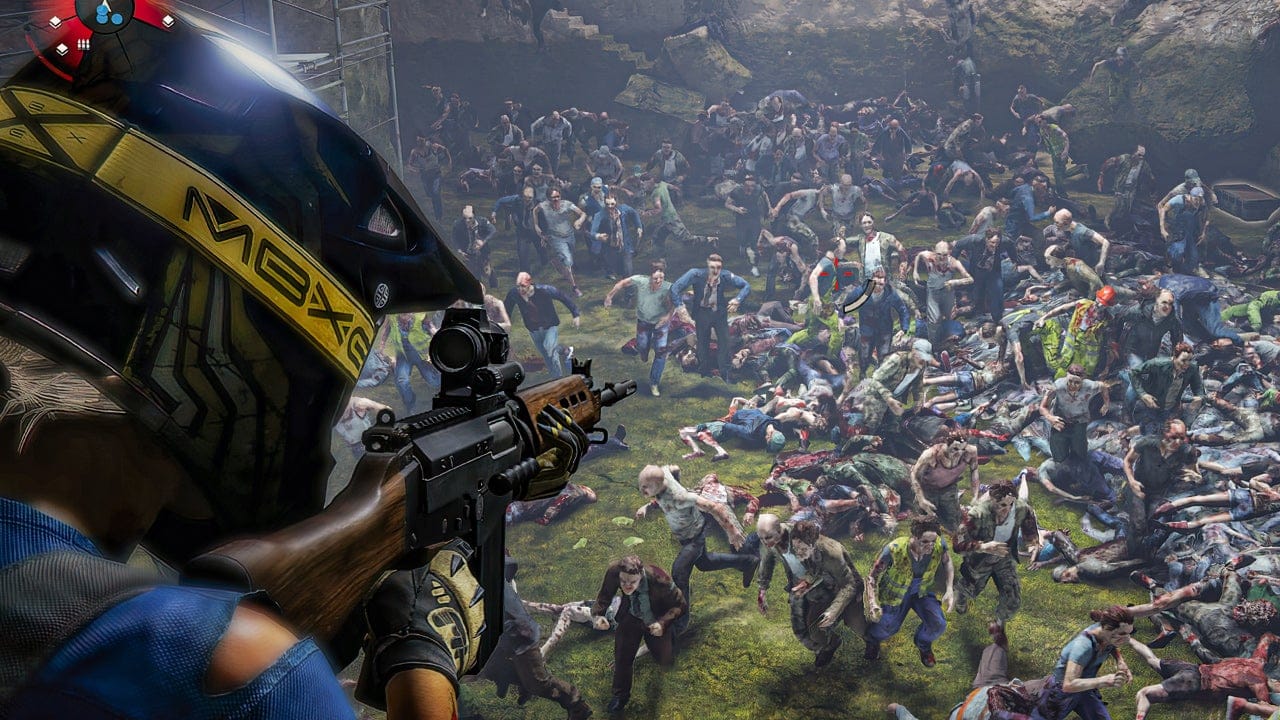
If you want a popcorn‑blockbuster swarm shooter that understands the assignment, World War Z: Aftermath is it. Built around Saber’s ferocious Swarm Engine, Aftermath expands the original with new episodes, a first‑person option, dual‑wielding melee, and full cross‑play—making it an easy game night pick for pals who don’t share the same platform. Eight distinct classes (from Gunslinger to Dronemaster) create satisfying, complementary roles as you carve paths through teeming hordes across Rome, Kamchatka, New York, and more. Structurally, it’s brisk and modular, so you can hop in for a 30–45 minute chapter, then bounce. Best of all, it embraces the movie’s globe‑trotting, crowd‑panic energy rather than retelling the plot beat‑for‑beat. It isn’t the deepest co‑op shooter on the market, but it’s one of the most instantly gratifying—and it’s found a huge audience by leaning into spectacle and replayability. Think of it as the film’s best set pieces turned into a nightly ritual.
9) Terminator: Resistance (2019)
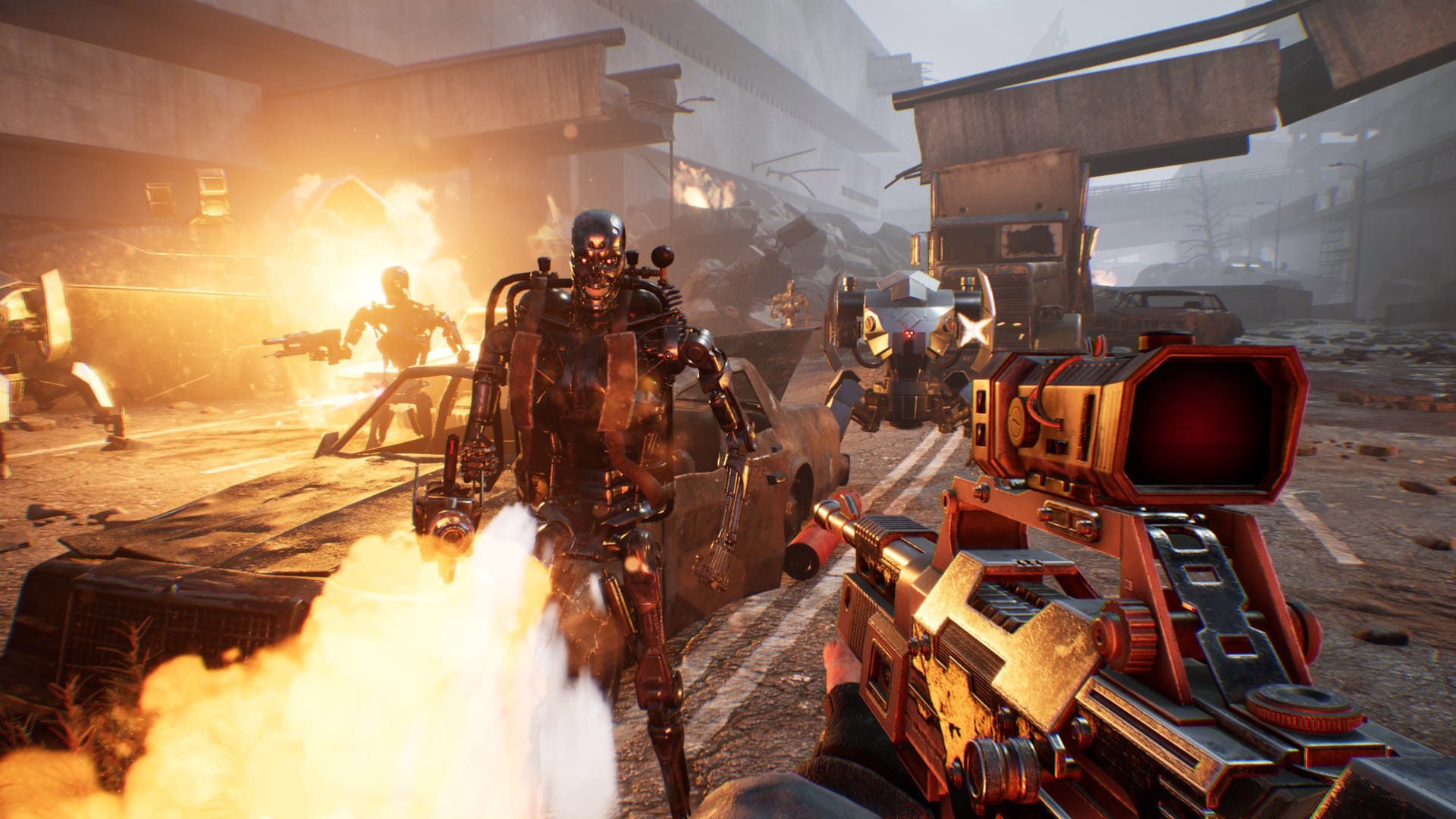
No game captures the Future War’s neon‑purple doom quite like Terminator: Resistance. Instead of rehashing the 1984 and 1991 plots, it sends you into the post‑Judgment Day wasteland as resistance scout Jacob Rivers, scavenging for parts, crafting, and making tough calls that affect survivors you meet along the way. Combat is scrappy at first—those early, stealthy encounters with T‑800s are genuinely frightening—before you gradually earn plasma firepower and soldier up to mow down endoskeleton patrols. It’s a focused, single‑player throwback with light RPG systems, a day‑night cycle for infiltration, and a surprisingly heartfelt tone that honors Cameron’s films. The later Enhanced edition smoothed out performance and added DualSense features on PS5, while an Infiltrator Mode lets you rampage as a T‑800 for a delicious heel turn. A cult favorite rather than a critical darling, Resistance endures because it feels like inhabiting the scenes your childhood imagined between the movies’ frames.
8) Evil Dead: The Game (2022)
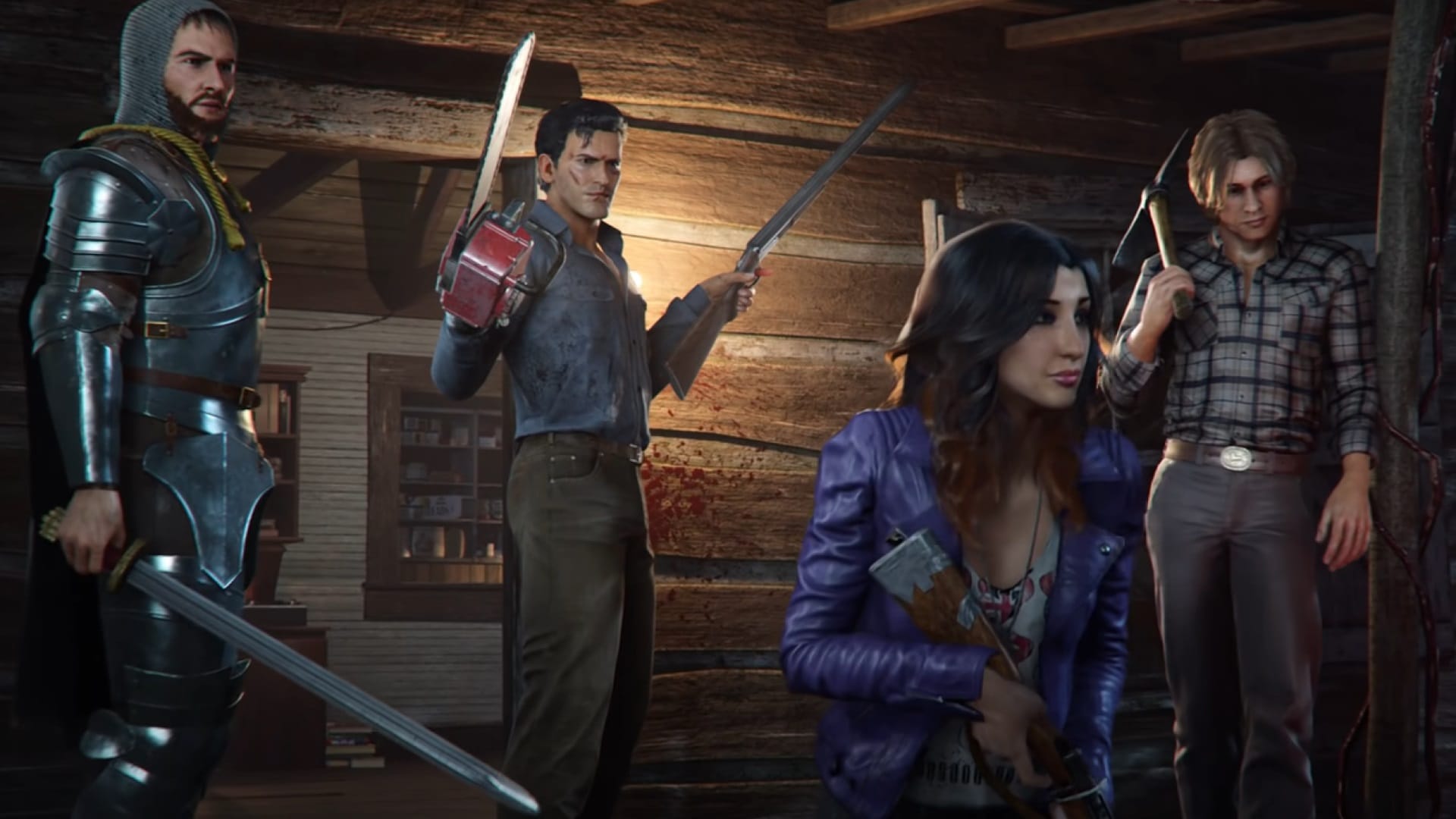
Groovy—and gruesome. This 4v1 asymmetrical romp lets four survivors (yes, with Bruce Campbell voicing Ash) scavenge, fight, and banish the Kandarian Demon while one player puppeteers that very demon, possessing trees, spawning monstrosities, and springing jump‑scares that feel ripped straight from Raimi’s fisheye lens. The tone is pitch‑perfect: slapstick brutality, quippy one‑liners, and chainsaw‑whirring catharsis. Loadouts grow, support roles matter, and the series’ iconic locales and cosmetics reward fandom without alienating newcomers. A practical note: Saber ended live‑content development in 2023 and began delisting the game from digital storefronts in April 2025; servers remain online for existing owners. If you already have it (or can find a physical copy), it’s still a riot with friends and a loving tribute to a horror institution; if not, consider this entry a nod to how to adapt a chaotic, low‑budget energy into smart multiplayer design.
7) The Texas Chain Saw Massacre (2023)
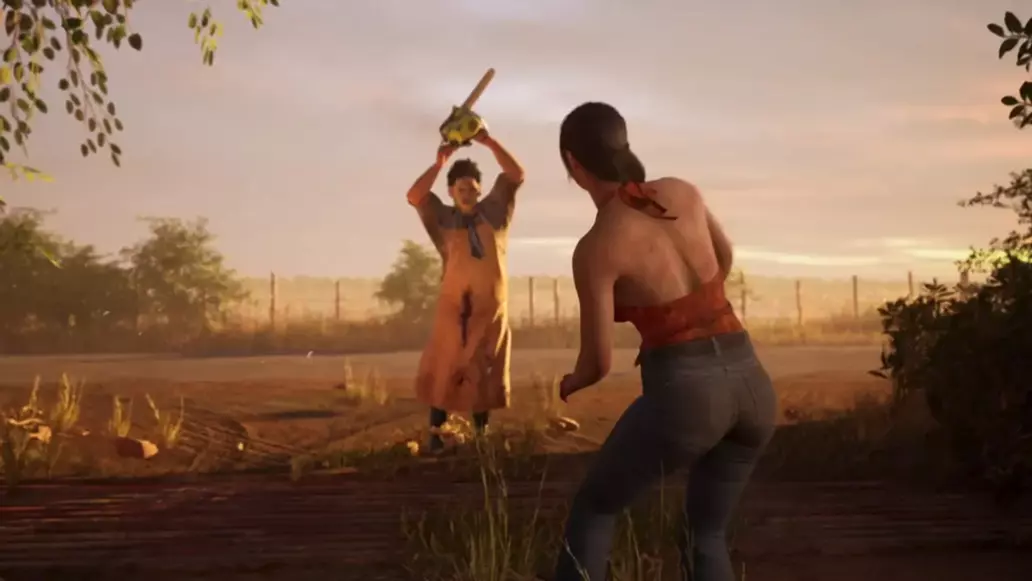
Where many horror tie‑ins chase jump scares, The Texas Chain Saw Massacre understands that dread is a resource economy. Its 4‑vs‑3 structure (four victims vs. three family members) creates a brutal cat‑and‑mouse flow: victims sneak, loot, and coordinate quietly; the Family locks down exits, traps choke points, and weaponizes noise. The licensed details—Leatherface’s revving intimidation, the grimy farmhouse, the queasy color palette—reinforce that 1974 energy with systems designed for tension rather than cheap kills. It’s a game about information: who’s making sound, who controls doors, who’s burning stamina. Matches feel like mini horror films with emergent final‑girl moments and gut‑punch near‑escapes. Content updates and balance passes have kept the meta interesting without sanding off its rough edges. It won’t be for everyone—communication is essential, and solo queue can be unforgiving—but with a coordinated trio, it’s one of the most distinctive, faithful film adaptations in the asymmetrical horror space.
6) Mad Max (2015)
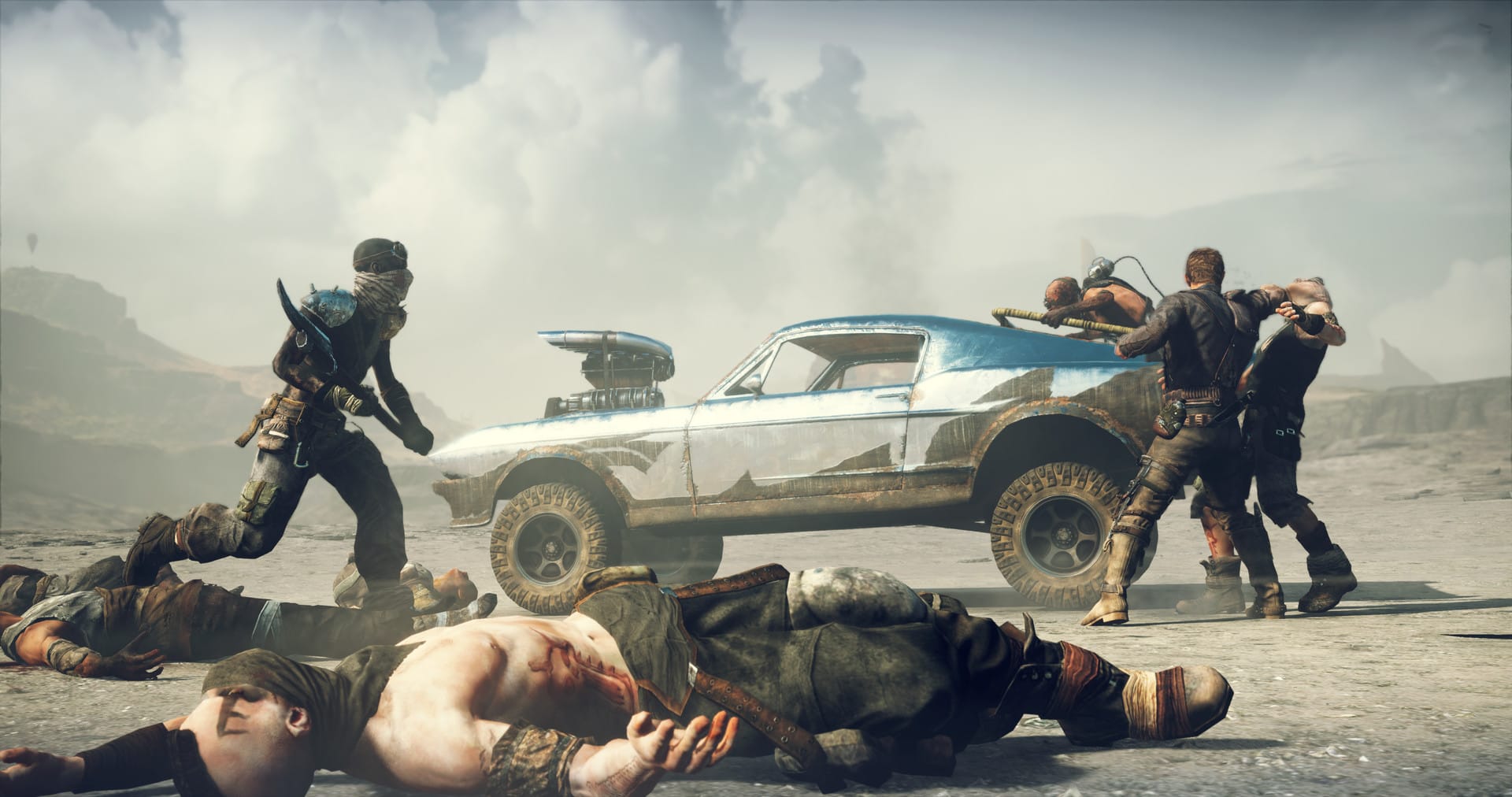
A decade on, Mad Max still rules the highway. Rather than retell Fury Road, Avalanche drops you into its own wasteland, then hands you the keys to the Magnum Opus—your upgradeable death‑wagon. The car is the star: you’ll bolt on rams, nitrous, harpoons, side‑spikes, and armored bodywork, turning convoy ambushes into metal‑rending ballets. Ground combat borrows a readable, rhythmic cadence that makes clearing camps satisfying, but it’s the storm‑lashed road chases, fuel scrounging, and sand‑sea horizon that sell the fantasy of survival by steel and gasoline. The campaign won’t surprise narrative die‑hards, yet it nails the series’ sound and fury—sun‑bleached melancholy punctuated by explosive vehicular carnage. Paired with a sprawling map full of strongholds to upgrade and convoys to smash, Mad Max remains a quintessential “licensed but not shackled” adaptation: it channels the films’ vibe while letting systems do the storytelling mile after mile.
5) Avatar: Frontiers of Pandora (2023)
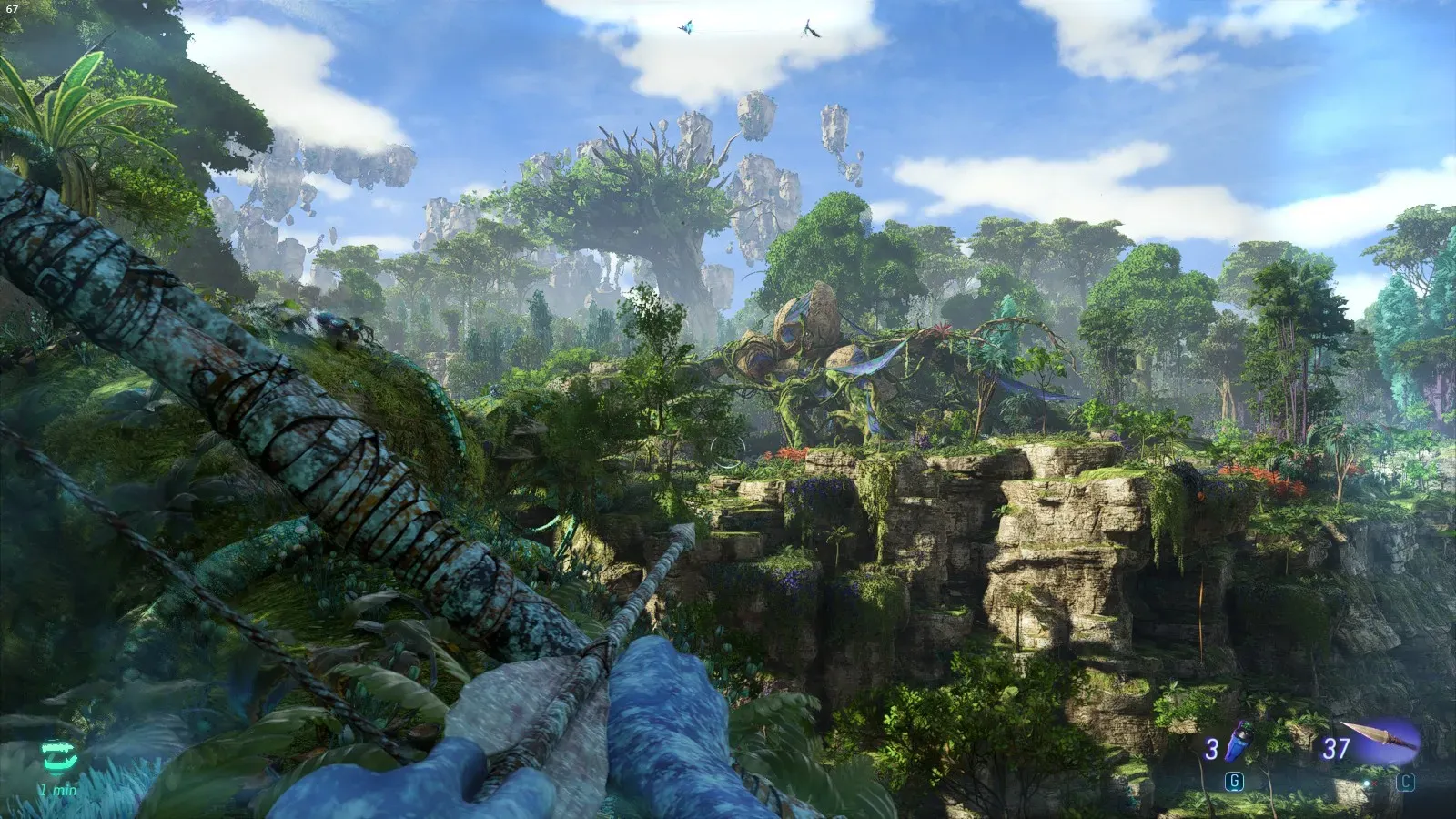
Rather than reenact Cameron’s scripts, Frontiers of Pandora sends you to the Western Frontier—lush biomes brimming with vertical traversal, bioluminescent wonder, and flying mounts—during the Na’vi’s escalating conflict with the RDA. It’s a first‑person open‑world adventure that plays best when you lean into Na’vi tools: stealthy bow‑play, precise movement, and hunting for high‑value RDA targets with an eco‑warrior twist. The cinematic ties are clear (Lightstorm collaborated closely), but the game’s strength is treating Pandora as a place rather than a checklist. Post‑launch, Ubisoft has supported it with paid expansions and meaningful updates, reflecting a live world that continues to evolve alongside the films. Reviews landed mixed, largely around Ubisoft‑y structure, yet for fans of the movies’ vistas and creature design, soaring over the canopy never gets old—and the audiovisual fidelity is among the best in any licensed game to date.
4) Aliens: Dark Descent (2023)
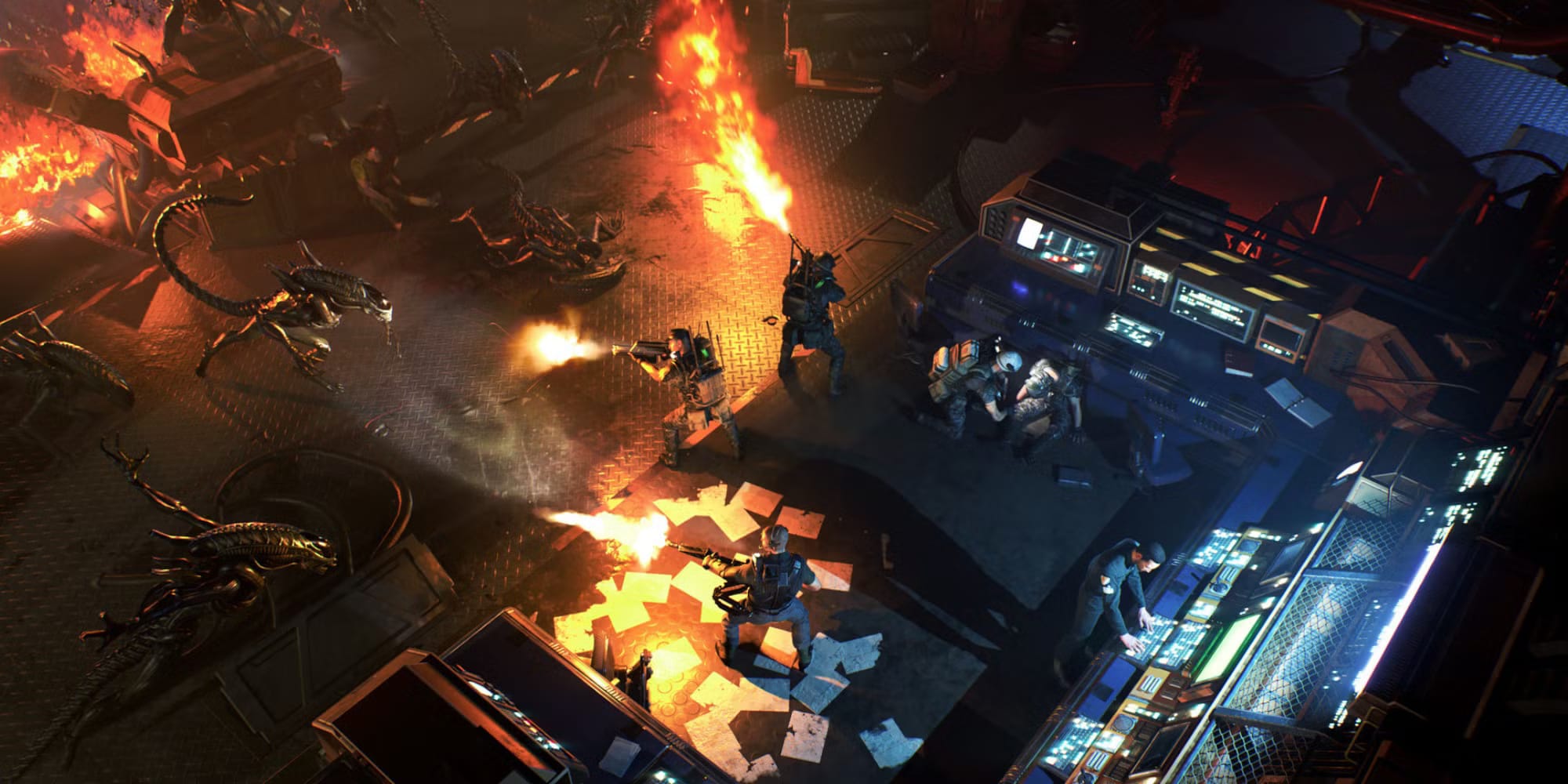
Dark Descent finds a brilliant angle: instead of a corridor shooter, it’s a real‑time, squad‑level tactics game that captures Aliens’ “we are so not ready for this” panic. You command a fireteam through semi‑open maps with line‑of‑sight, noise, and stress systems that snowball small mistakes into spiraling disasters. Marines can panic, develop traumas, and suffer persistent injuries; safe extraction and triage are as important as winning firefights. Campaign choices, base upgrades, and evolving threat levels give each incursion a “one more mission” pull—especially when you’re down to your last medkit and motion tracker battery. The result is a rare licensed game that makes tone a mechanic: the xenomorphs are predators, not cannon fodder, and you feel that with every nervous weld of a door and every hail‑Mary evac. It’s Aliens as a slow‑burn war of attrition, and it works stunningly well.
3) RoboCop: Rogue City (2023)
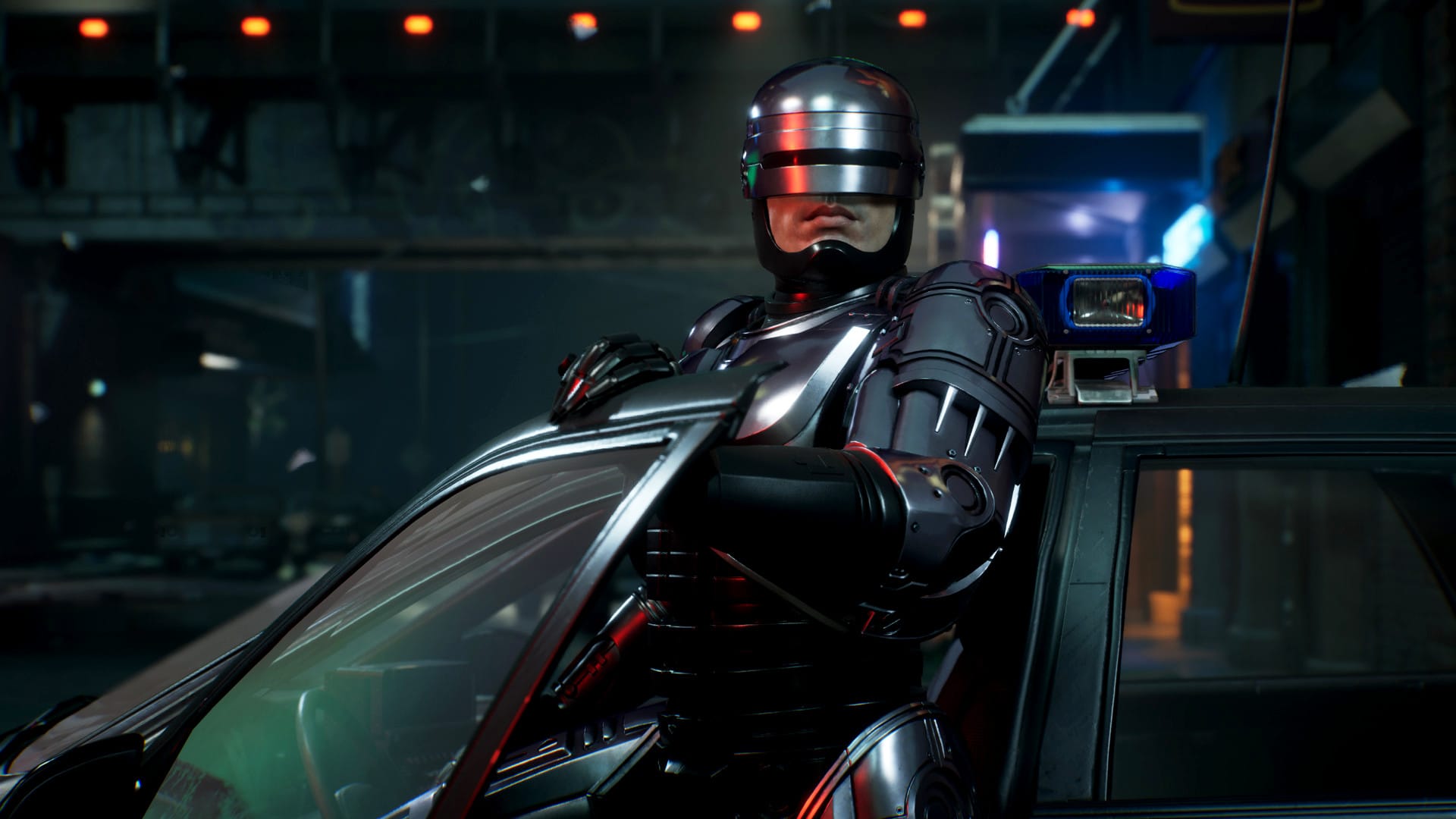
Part man, part machine, all surprisingly great throwback shooter. Rogue City doesn’t try to modernize RoboCop into a sprint‑slide meta; it embraces heft. You stomp through Old Detroit, punch criminals through drywall, and turn the Auto‑9 into a percussive metronome of headshots—all while juggling light detective work, small open‑area side cases, and morality‑tinged choices that affect precinct reputation. The coup de grâce is casting: Peter Weller returns to voice Murphy, anchoring the satire‑laced script with gravelly authority. Under the hood, it’s a classic, linear FPS built with a modern sheen; what elevates it is vibe—80s ultraviolence, corporate rot, and deadpan one‑liners executed with gleeful fidelity. If you grew up on the films, it’s catnip; if you didn’t, it’s still a refreshingly confident shooter that knows exactly what fantasy you came for and lets you revel in it, slow stride and all.
2) LEGO Star Wars: The Skywalker Saga (2022)
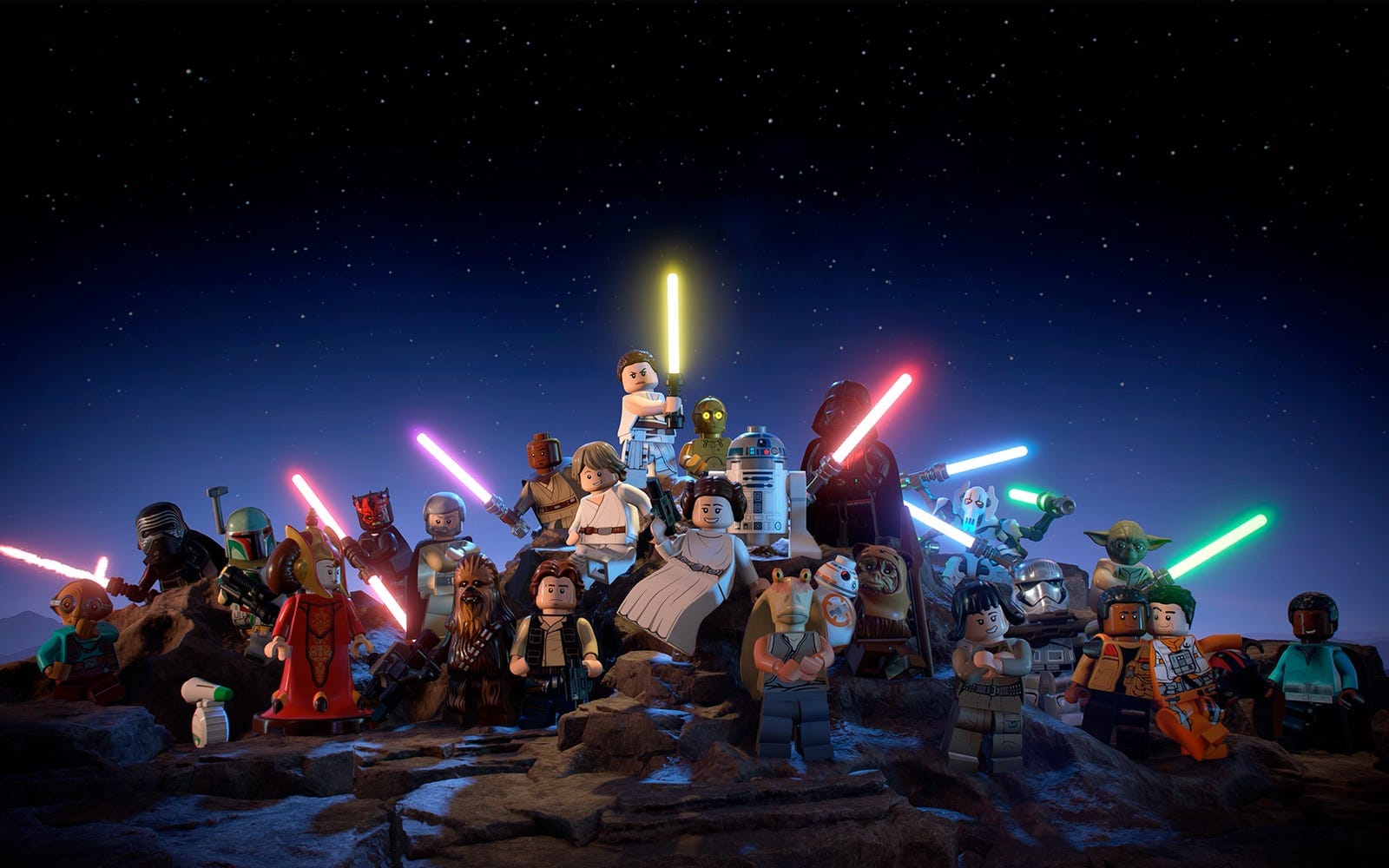
Nine films. 23 planets. 300‑plus playable characters. TT Games rebuilt its LEGO formula to deliver an approachable, laugh‑out‑loud anthology that’s equally perfect for kids and lore nerds. The over‑the‑shoulder camera and snappier combat add welcome zip, while the galaxy map and free‑roam collect‑a‑thon structure invite cozy completionism long after the credits. Most importantly, it understands what a film adaptation should be: not a dry retread, but a remix with slapstick sight gags and loving Easter eggs that celebrate (and gently roast) the saga’s most memeable beats. Co‑op makes it a couch staple, and the character variety—from Babu Frik to a roster of obscure droids—keeps tinkering fun as you unlock goofy abilities and bricks. If you want the movies distilled into pure play, this is the gold standard: generous, polished, and bursting with that LEGO wink.
1) Alien: Isolation (2014)
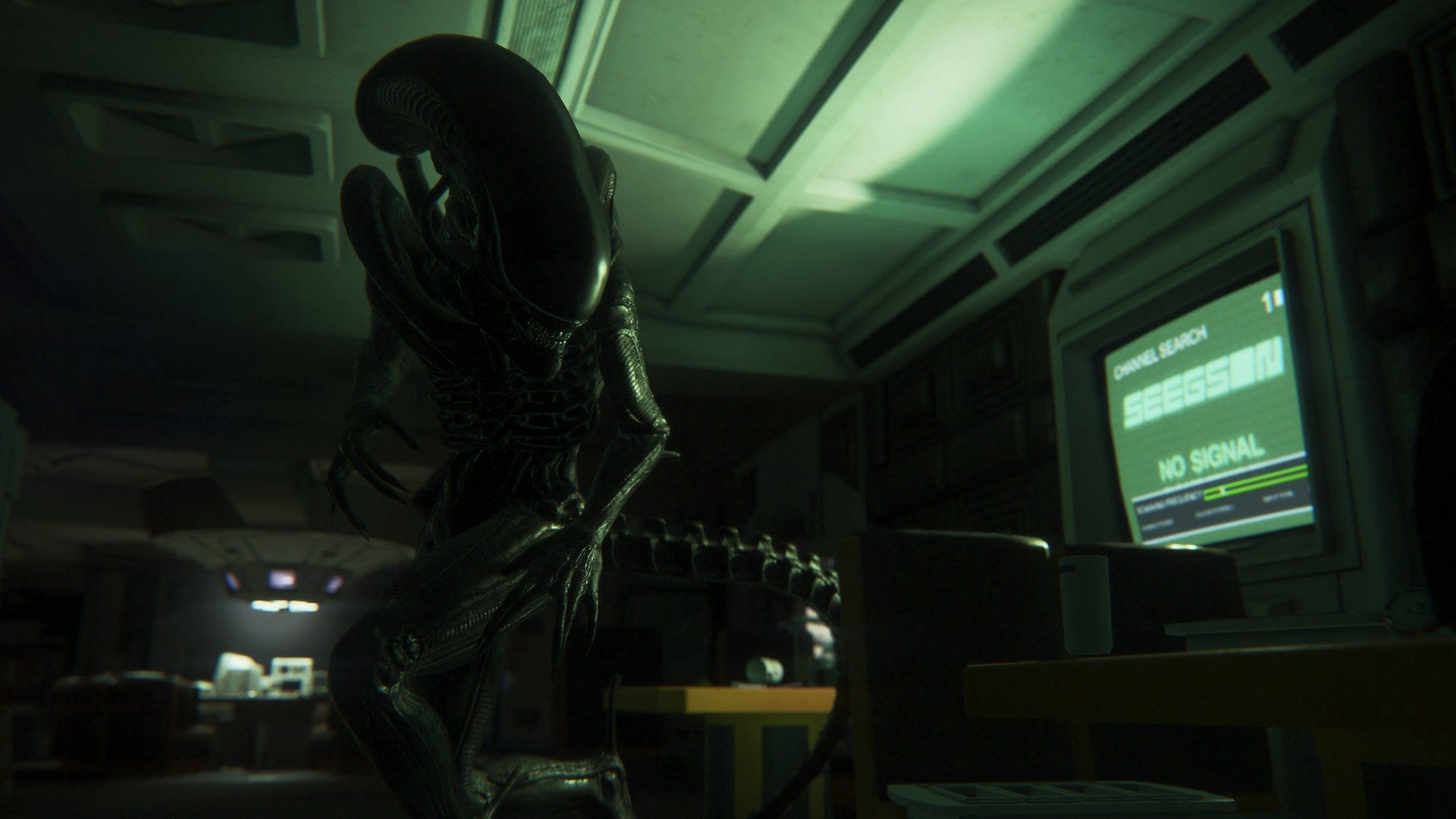
A decade later, nothing matches Isolation’s purity of vision: one alien, one space station, one relentless hunt. Playing as Amanda Ripley, you’re not a marine—you’re an engineer surviving by line‑of‑sight, timing, and nerve. The xenomorph’s unscripted AI stalks by sound and sight, making every locker hide and motion‑tracker blip a small panic attack. Retro‑futurist art direction nails the 1979 film’s CRT grime, while tools like the flamethrower and noisemaker feel like desperate improvisations rather than power‑ups. It’s long and uncompromising, but that’s the point: the film was a haunted house in space; the game is that house, room by room, vent by vent. As a movie adaptation, it’s towering—faithful to tone over plot, grounded in tactile design, and brave enough to be truly scary. If you play just one movie‑based game from this list, make it this.
Why we ranked this way
We leaned toward modern releases and enduring player favorites, prioritizing games that express the film’s identity through mechanics rather than mere retellings. That’s why you’ll see faithful reinterpretations (like Isolation and Rogue City) near the top and well‑executed crowd‑pleasers (Aftermath, Evil Dead) as great—but slightly narrower—experiences.


