


From Hyrule to Bohemia: 10 vast fantasy sandboxes that scratch the Skyrim itch.
1) The Witcher 3: Wild Hunt (2015)
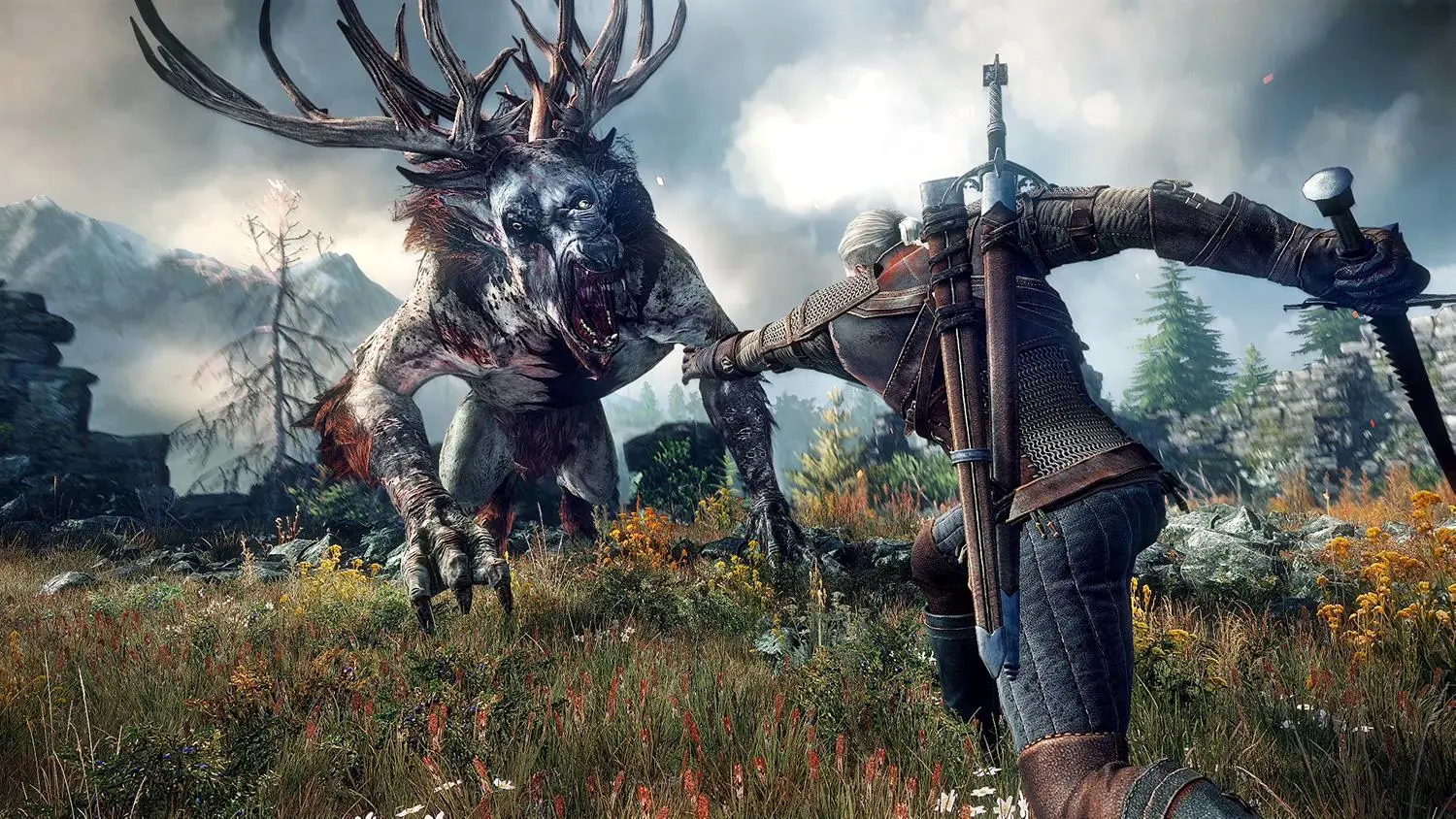
Released in 2015 by CD Projekt, The Witcher 3 drops you into a windswept, war-torn continent where every back road hides a monster, a moral quandary, or a personal tragedy worth investigating. Beyond its sweeping main quest to find Ciri, the game excels at letting you chart your own course: tracking beast footprints across swamps, riding into village festivals, hunting treasure by riverbeds, or getting lost on a contract that spirals into folklore. It’s darker and more mature than Skyrim, but the sense of freedom and discovery is the same—bolstered by tactile combat, deep crafting and alchemy, and choices that echo hours (or expansions) later. Gwent can devour evenings on its own, while Novigrad’s alleys and Skellige’s cliffy coastlines feel like living, breathing places. If you want a grand, character-driven epic that still rewards wanderers and tinkers, Witcher 3 remains the gold standard for open‑world fantasy role‑playing.
2) Kingdom Come: Deliverance II (2025)
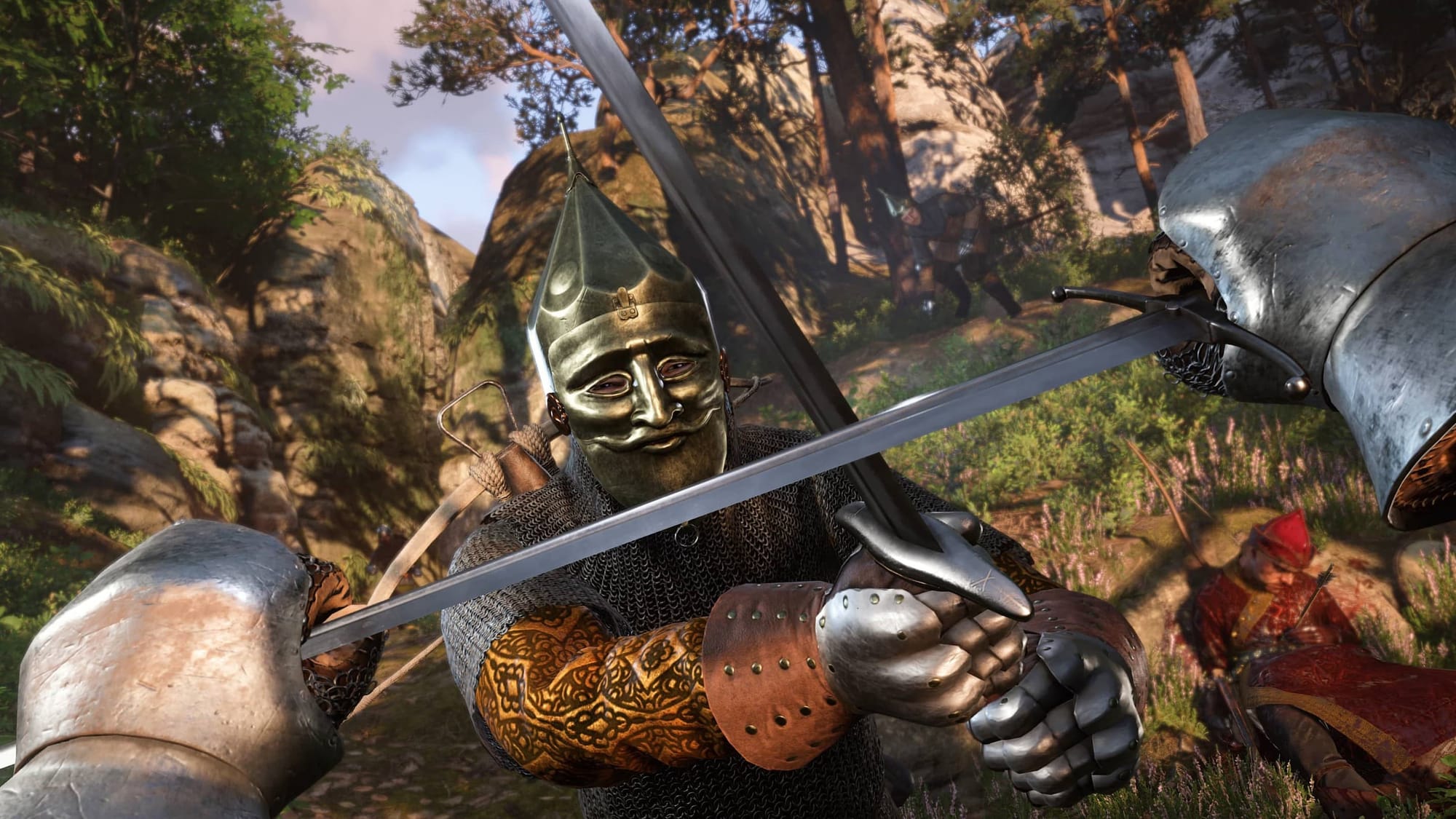
Released in 2025 by Warhorse Studios, this sequel hones its predecessor’s simulation-first approach to medieval life, doubling down on its historically grounded Bohemian setting and hands-on systems. Where Skyrim leans into myth and magic, Kingdom Come is about steel, sweat, and social standing: learn to read, repair your kit, mind fatigue and reputation, and approach problems through cunning as much as combat. Its open world encourages patience and planning—you’ll case a camp by daylight, shadow a target by night, then decide whether to talk, bribe, sneak, or draw your sword. First‑person duels have weight and consequence, demanding footwork and timing, while the world reacts to your clothes, crimes, and choices. It’s the perfect pick for players who loved Skyrim’s immersion but crave realistic swordplay, grounded questlines, and the pleasure of role‑playing not a chosen one, but a capable, fallible human finding his place in a turbulent 15th‑century realm.
3) The Legend of Zelda: Tears of the Kingdom (2023)
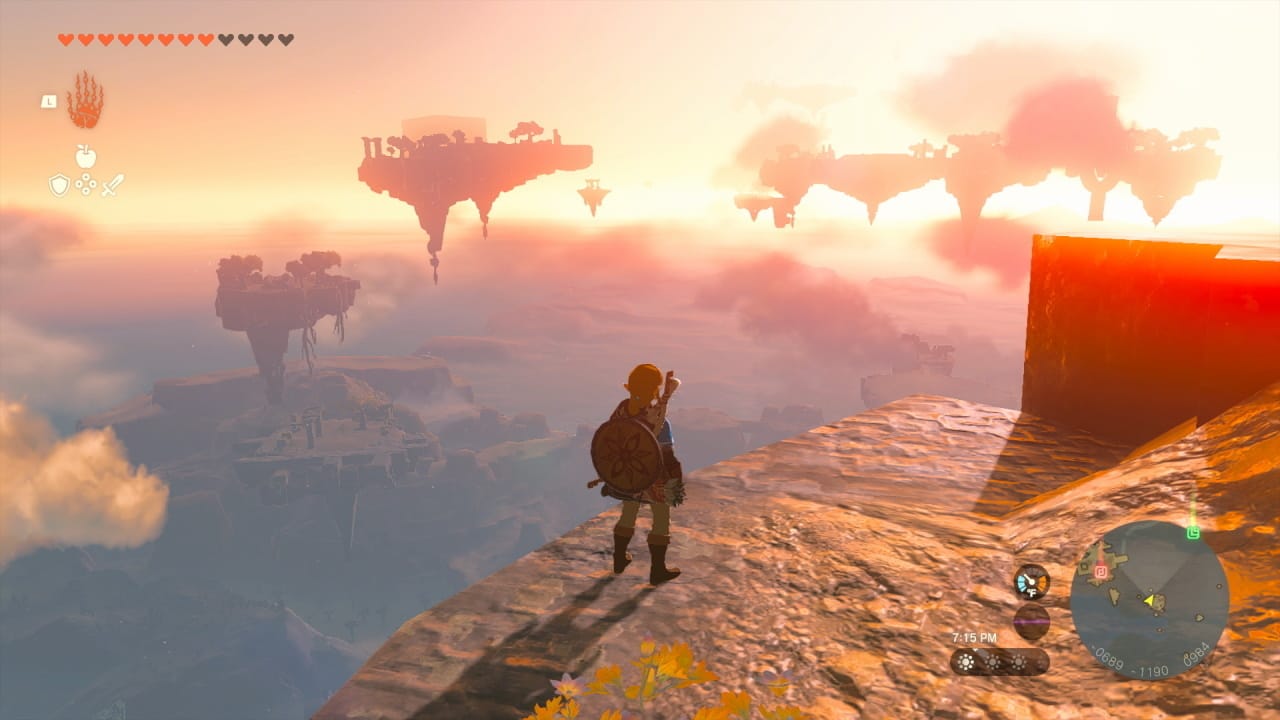
Released in 2023 by Nintendo EPD, Tears of the Kingdom turns “go anywhere, try anything” into a design mantra—then hands you tools to bend the world to your will. Skyrim fans will recognize the joy of cresting a ridge just to see what’s beyond; here, that ridge might lead to a floating island puzzle, a subterranean chasm, or a shrine that toys with gravity and logic. Ultrahand and Fuse transform exploration into playful engineering: build bridges, craft gliders, bolt rockets onto shields, and improvise solutions with parts you scrounge in the wild. The map’s verticality (sky, surface, depths) multiplies that exploratory itch, while loose, quest‑light structure lets curiosity dictate your route. Combat isn’t as deep as a hardcore RPG, but the interplay of systems—physics, chemistry, weather, machine‑making—keeps experimentation at the heart of the adventure. If Skyrim’s emergent moments hooked you, TOTK is a nonstop engine for generating more.
4) Elden Ring (2022)
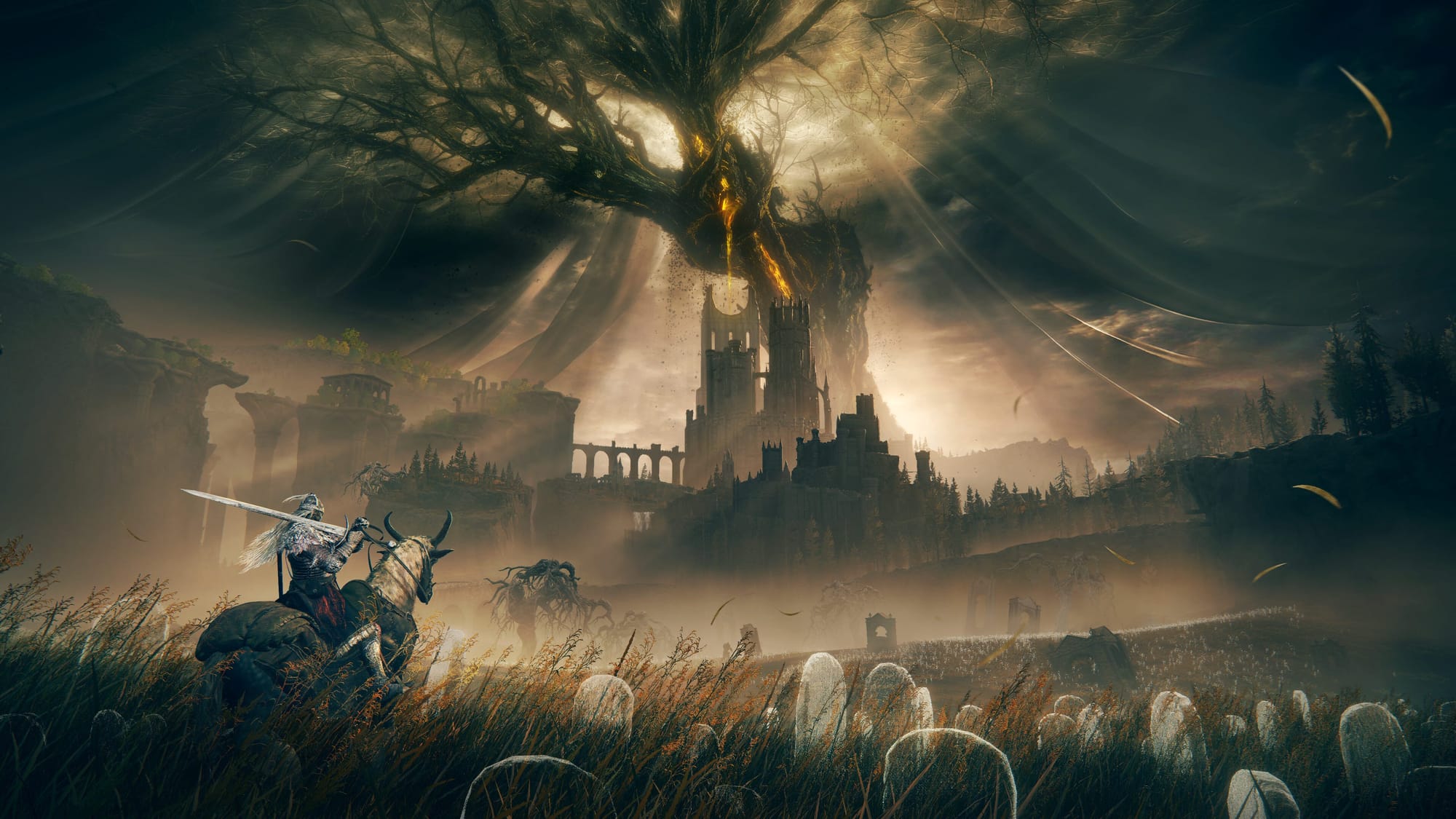
Released in 2022 by FromSoftware, Elden Ring expands the studio’s exacting combat into a sweeping, mysterious open world where restraint, observation, and courage define your journey. Like Skyrim, it refuses to hold your hand: a distant ruin, a cryptic NPC, or a howling cliff might mark the start of an unforgettable detour. Legacy Dungeons provide tight, classic level design, but the fields between are where stories happen—when a wandering caravan leads you to a trebuchet-studded fortress at dusk, or a misty forest gives way to a forgotten village of dancing specters. Build freedom is enormous, letting you experiment with weapons, sorceries, ashes, and spirit summons until combat clicks. While it’s punishing, it’s also generous with ways to outsmart a fight or ride past it and return stronger. For players who loved Skyrim’s open secrets and love earning triumph through persistence, Elden Ring is a thunderclap.
5) Dragon’s Dogma 2 (2024)
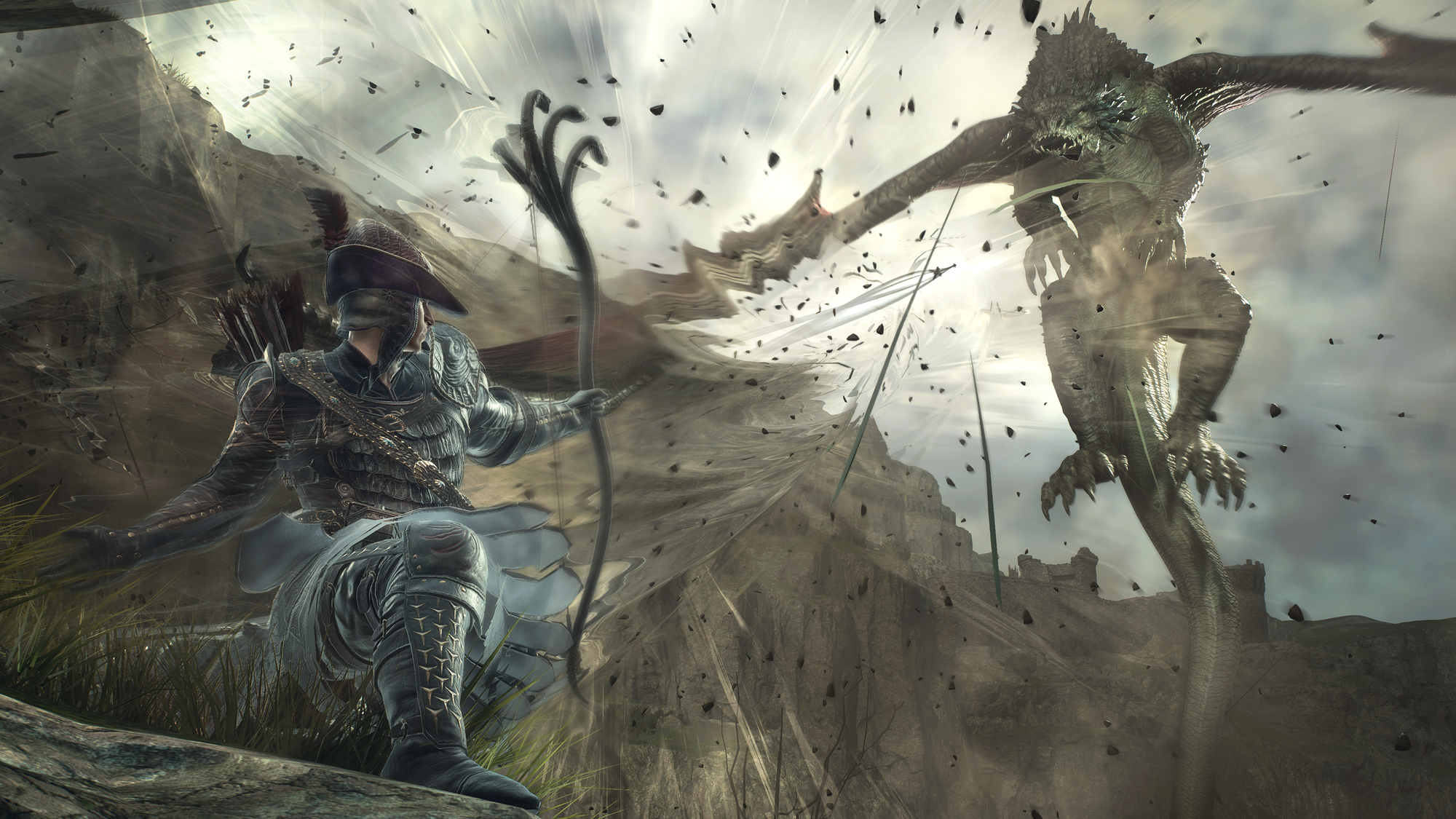
Released in 2024 by Capcom, Dragon’s Dogma 2 refines its cult predecessor’s best ideas—kinetic combat, towering monster hunts, and the brilliant Pawn system—into a larger, stranger sandbox. If Skyrim’s dragon clashes thrilled you, Dogma 2’s real‑time brawls are pure spectacle: climb a cyclops’ back, stagger a chimera mid‑pounce, or hurl spells that reshape the battlefield. The world flows seamlessly with fewer quest markers and more “I saw smoke over that ridge—let’s investigate” vibes, while Pawns (AI companions you recruit and customize) feel like gossiping adventurer pals, offering tips and tactical assists born from their travels with other players. Vocations (classes) invite experimentation—try a Mystic Spearhand for nimble magic‑melee or a Sorcerer to brute‑force reality with meteors. The result is a freeform adventure where curiosity leads to emergent ambushes, rambling side errands, and night-time treks that change the stakes. It’s the most “party‑adventure” take on open‑world fantasy here.
6) Mount & Blade II: Bannerlord (2022)
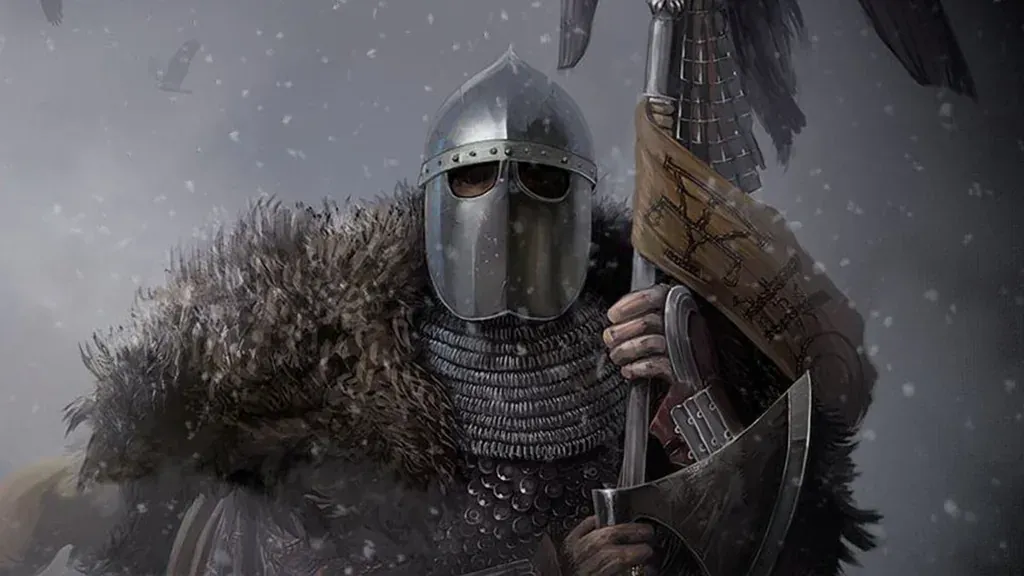
Released in 2022 by TaleWorlds Entertainment, Bannerlord is a living medieval sandbox where you write a dynastic saga from the saddle up. Think of Skyrim’s role‑play freedom, then scale it to armies: recruit mercenaries, found a clan, manage caravans, court nobles, and command hundreds in chaotic sieges that feel like historical re‑enactments gone gloriously off script. There’s no “Dragonborn” arc here—your goals are purely yours, from peaceful trade magnate to ruthless warlord uniting Calradia by force. First‑person melee and mounted combat demand timing, positioning, and a commander’s eye for terrain. Strategic layers—policies, fiefs, diplomacy—add a satisfying grand‑strategy flavor without drowning you in spreadsheets. Bannerlord isn’t the most cinematic entry on this list, but in terms of player‑driven stories and systemic complexity, few games match it. If you ever wished Skyrim’s civil war had deeper simulation and longer consequences, Bannerlord is the rabbit hole.
7) Assassin’s Creed Valhalla (2020)
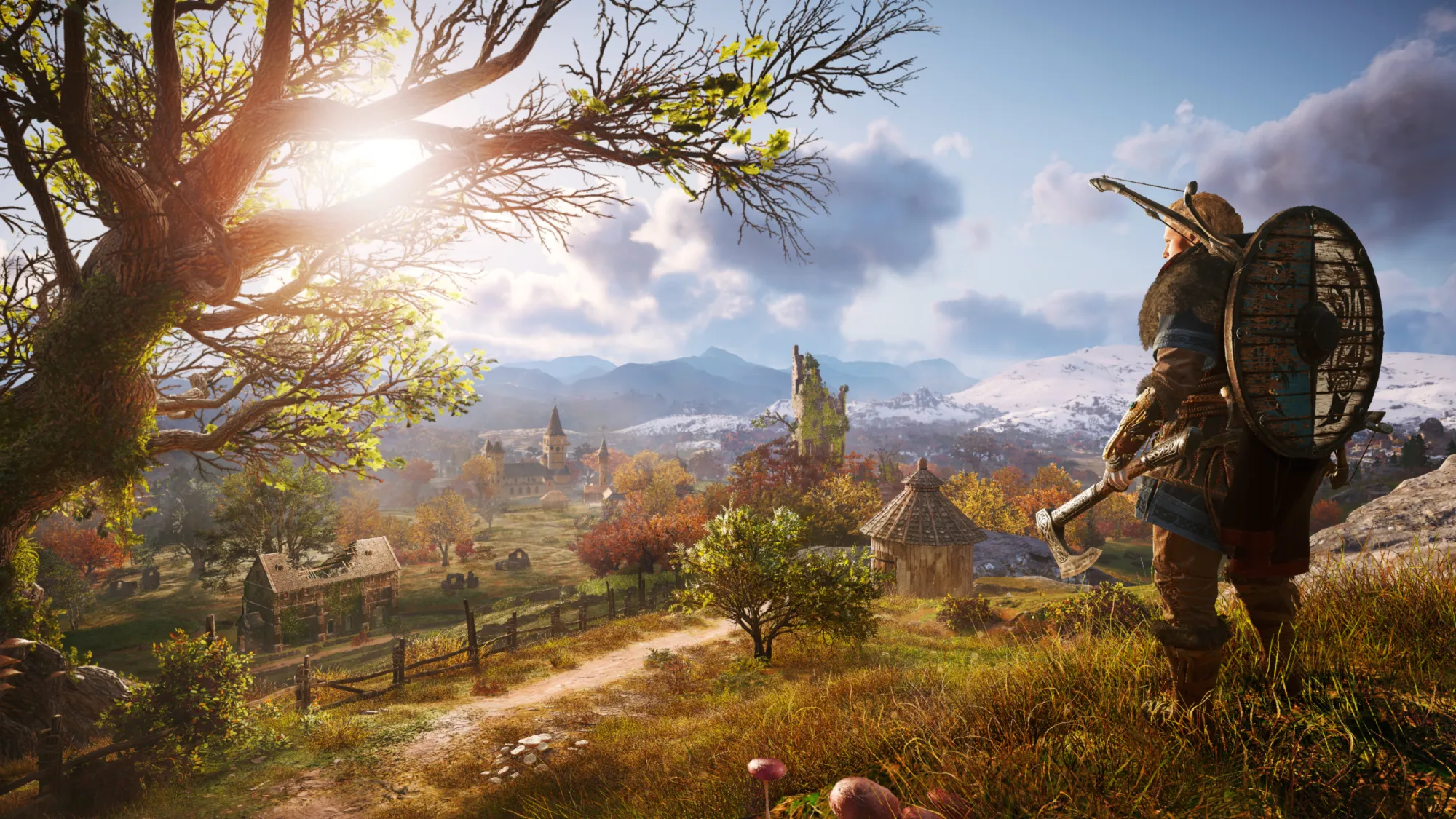
Released in 2020 by Ubisoft Montréal, Valhalla is a sweeping Viking‑age odyssey that marries open‑world exploration with light settlement‑building and a steady drip of saga‑style adventures. It’s not a pure RPG, but the loop will feel comfortingly Skyrim‑adjacent: sail to a promising shore, pick a point on the horizon, and let curiosity lead to a raid, a hidden puzzle, a legendary beast, or a comedic world event. Eivor’s settlement becomes your hub of upgrades and relationships, while regions unfold as self‑contained arcs—political dramas, haunted tales, and eccentric side characters you’ll remember. The skill tree lets you lean into stealth, all‑out axe carnage, or a nimble hybrid, and the sheer variety of gear, runes, and abilities adds satisfying tinkering. It’s the best “historical fantasy” flavor of this list—grounded in place and period, but playful enough to keep surprises coming long after the credits roll.
8) Dragon Age: Inquisition (2014)
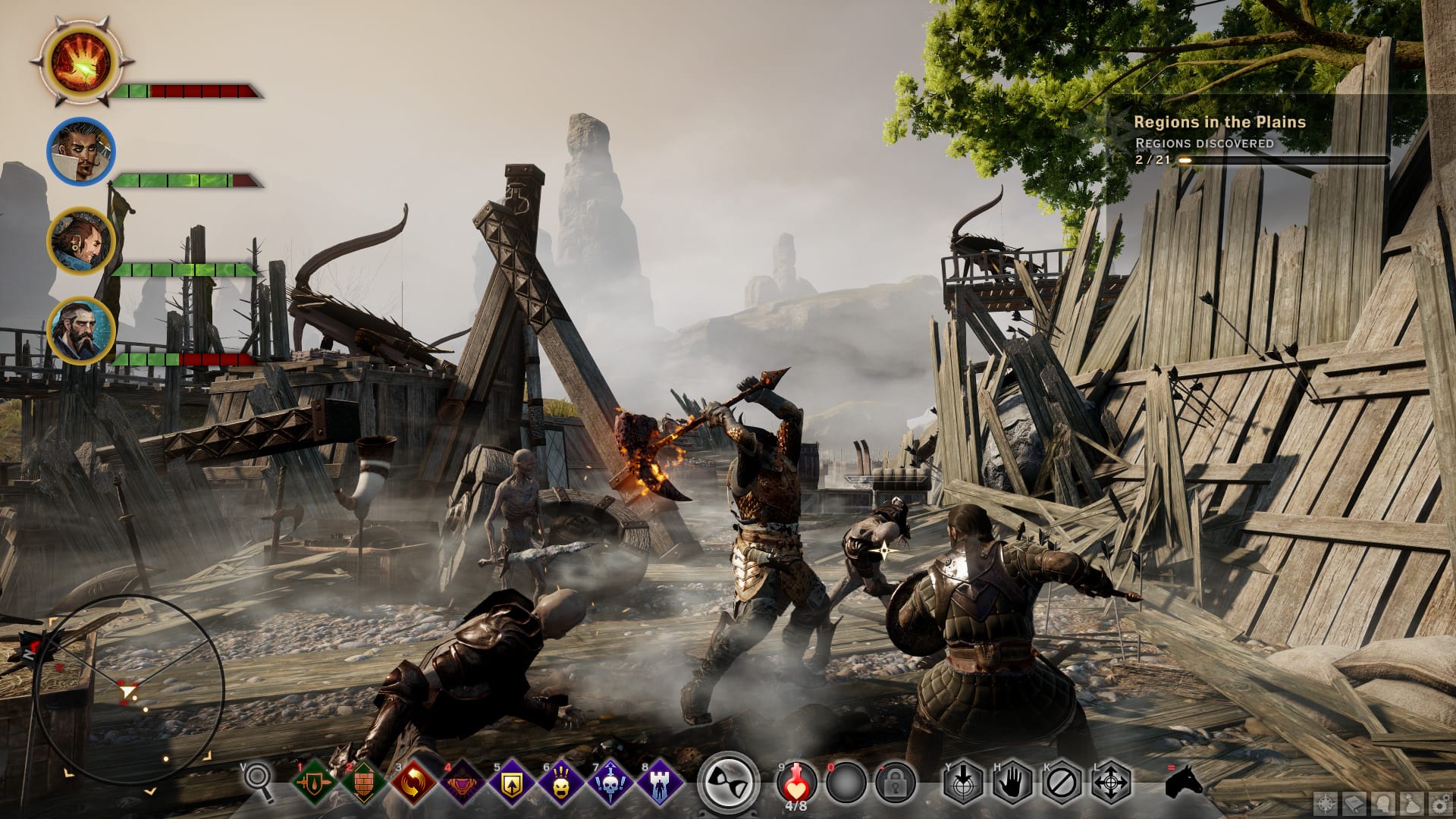
Released in 2014 by BioWare, Inquisition trades one contiguous map for several big, richly explorable zones—each packed with secrets, optional bosses, and that “just one more landmark” pull. If you loved Skyrim’s mix of exploration and companion banter, this is your story‑heavy counterpart: recruit a memorable cast, shape the Inquisition, and steer a continent’s fate through council decisions and hard personal calls. Combat lets you play in the moment or pause and plan, and flexible builds ensure your party synergizes in fun ways. The Hinterlands, Storm Coast, and Emerald Graves invite you to chase rifts, craft masterwork gear, and pursue faction arcs at your pace, while the War Table gives the illusion (and often reality) of being a power with reach. It’s more authored than most on this list, but if your favorite Skyrim memories involve companions, choices, and sprawling side content, Inquisition delivers in spades.
9) Kingdoms of Amalur: Reckoning (2012)
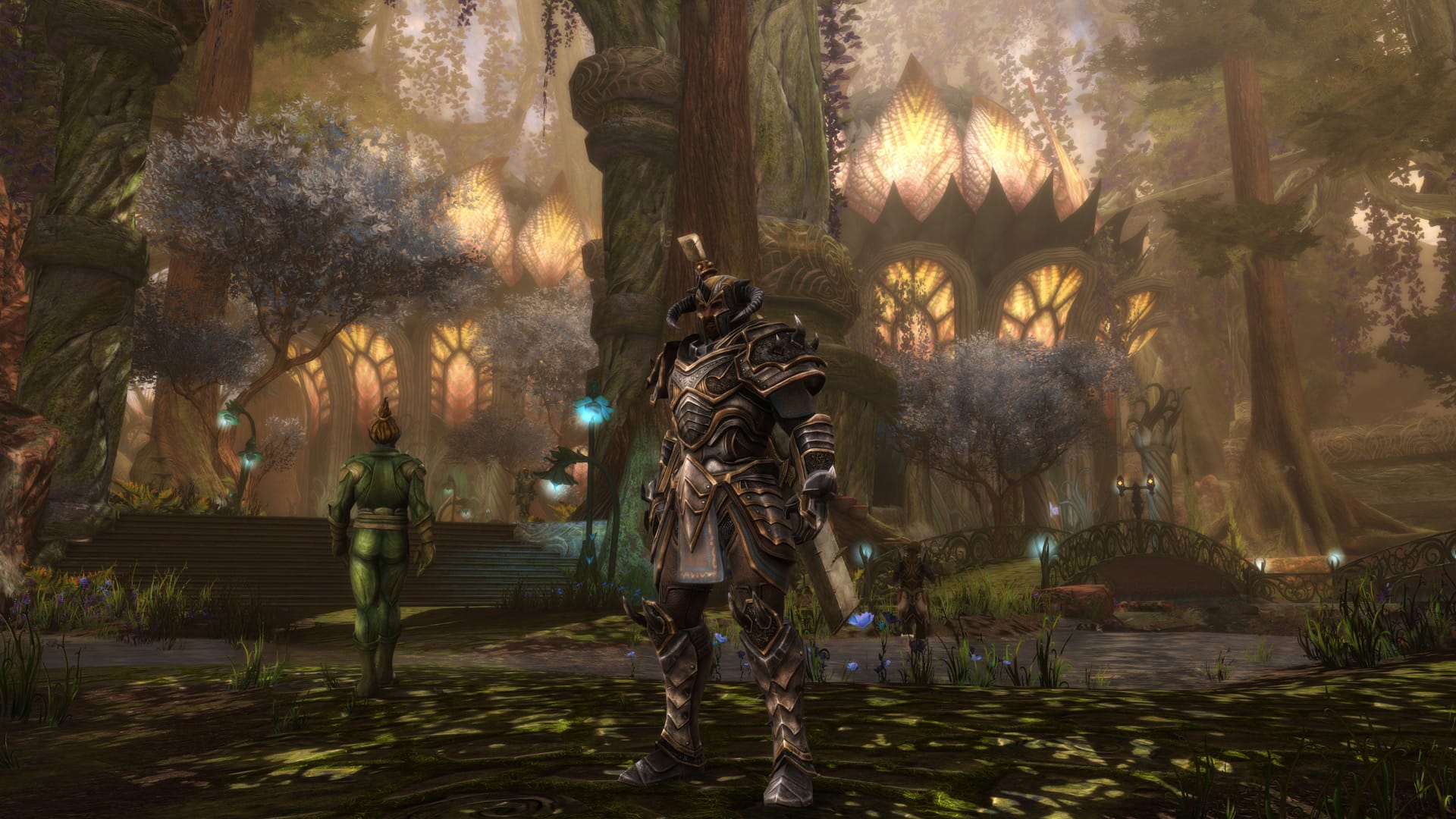
Released in 2012 by 38 Studios and Big Huge Games, Amalur is a colorful, fast‑moving action RPG that balances open‑world breadth with some of the snappiest combat in the genre. Where Skyrim’s swordplay can feel methodical, Reckoning’s is kinetic and combo‑driven, with silky dodge timing and flashy destiny powers that encourage experimentation. The world is packed with zone‑based questlines, faction arcs, crafting deep enough to chase perfect gear, and lore penned with the help of fantasy heavyweights. It’s less simulation‑minded than other entries here, but the sense of forward momentum—new abilities unlocking, zones unfolding, loot improving—scratches that “one more cave” itch beautifully. If you want an approachable, exuberant open‑world palate cleanser with big trees, bigger trolls, and a waterfall of side content, Amalur remains a joyous wander that respects your time yet happily consumes weekends.
10) Outward (2019)
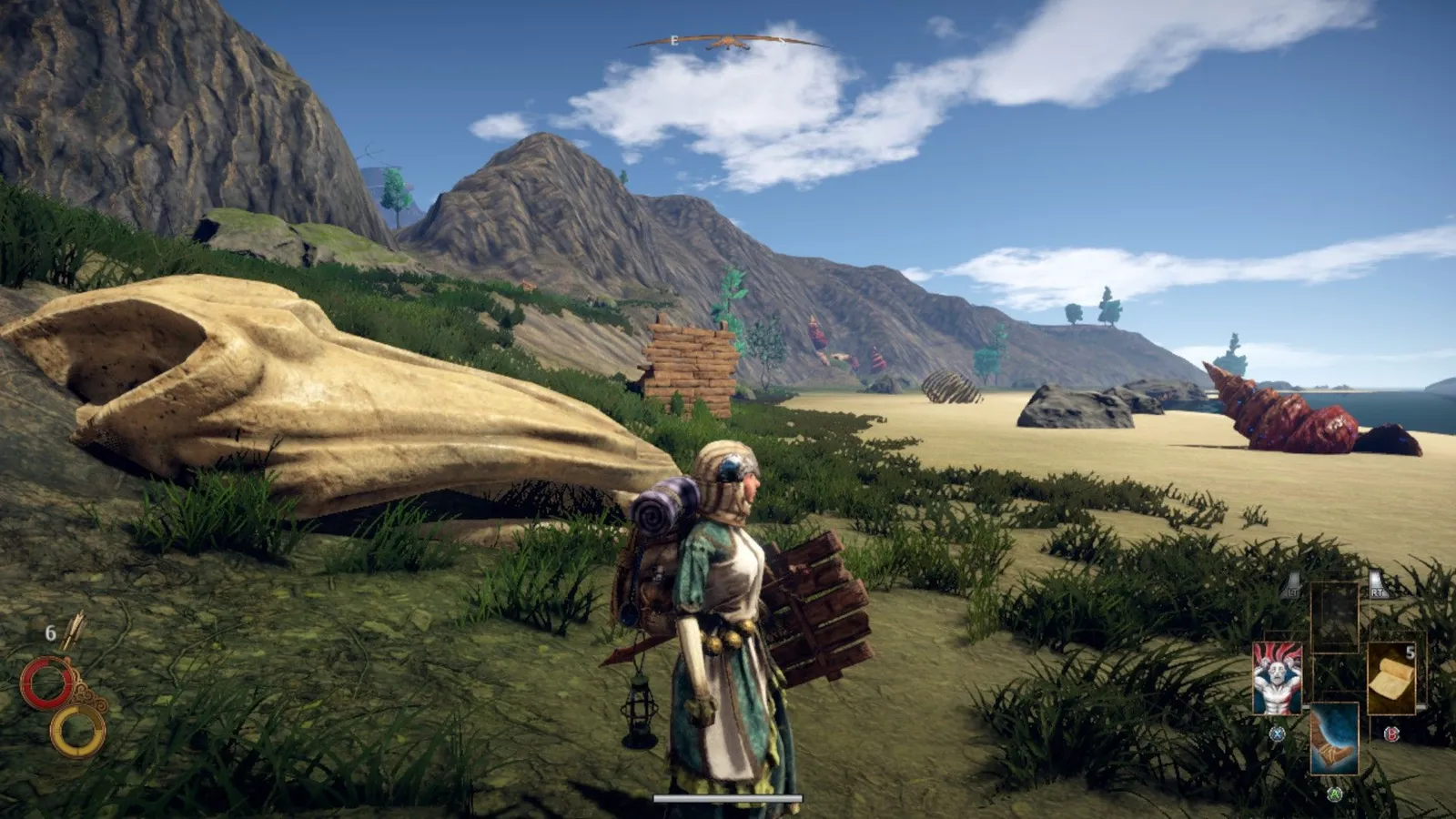
Released in 2019 by Nine Dots Studio, Outward is the “low‑fantasy survivalist” answer to Skyrim—tough, idiosyncratic, and quietly wonderful once it clicks. You’re not a chosen hero; you’re an ordinary traveler juggling hunger, cold, infection, and debt as you strike out across Aurai. The magic is in the struggle: prepare potions, pack a bedroll, watch the weather, and plan multi‑day routes past predators. Co‑op (including splitscreen) turns hardship into camaraderie, while the game’s failure‑state system nudges stories forward even when you lose—perhaps you wake in a bandit camp, stripped of gear, and must improvise an escape. Combat is deliberate but fair, and the thrill of learning a region’s rhythms—trade routes, enemy patrols, safe campsites—hits the same exploratory reward centers as Skyrim. For players who relish role‑play and survival texture over power fantasy, Outward is a uniquely immersive trek.


