


Ten branching adventures where your choices echo—sometimes for hours, sometimes forever.
10) Until Dawn (2015)
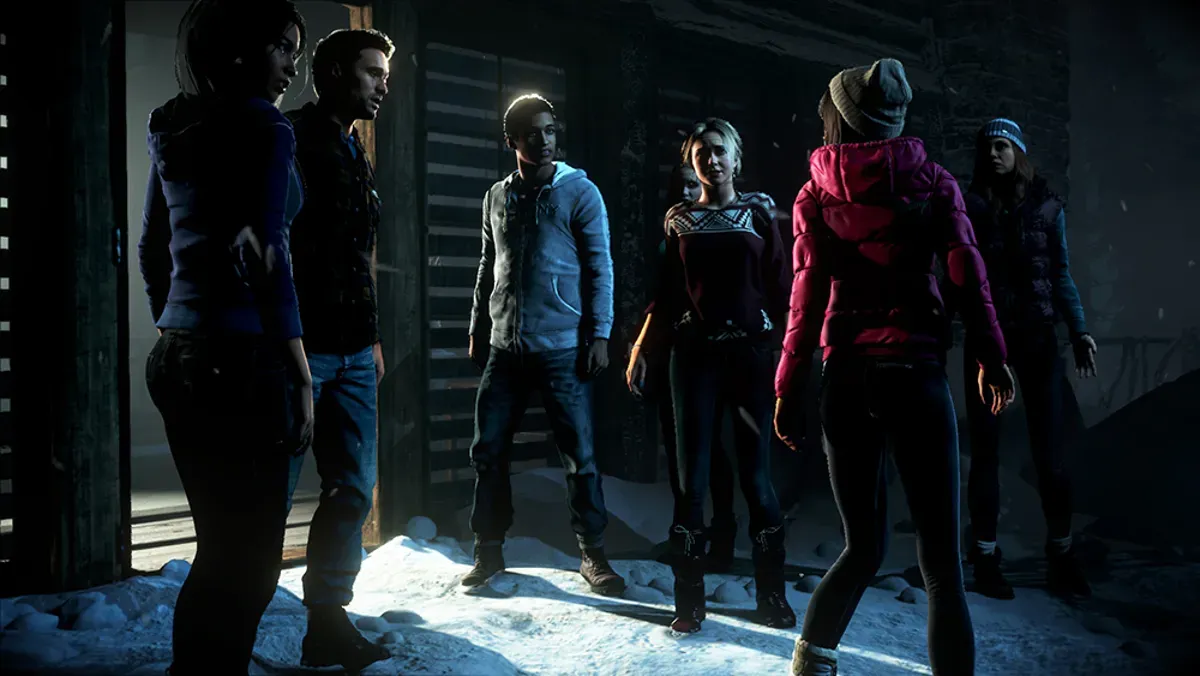
Supermassive’s snowy slasher is the purest stress test for decision making: eight friends, a blizzard-stranded lodge, and a cascading “butterfly effect” where tiny choices—who you check on, what you confess, when you run or hide—decide who sees sunrise. Until Dawn embraces consequences at every scale. Miss a clue and you misread a threat. Botch a quick-time event and a character might limp for hours, changing later options. Choose compassion over suspicion and relationships pivot, opening scenes you’d never otherwise see. Crucially, the game rarely telegraphs the “right” answer; moments that feel moral can be tactically disastrous, and vice versa. There are many permutations, from final survivor lineups to midgame twists, and no rewind in the original release—the story barrels forward with your mistakes in tow. The result is the rare horror game where arguing over choices is as fun as surviving them, and where every playthrough feels like a campfire tale only your group could have told.
9) Papers, Please (2013)
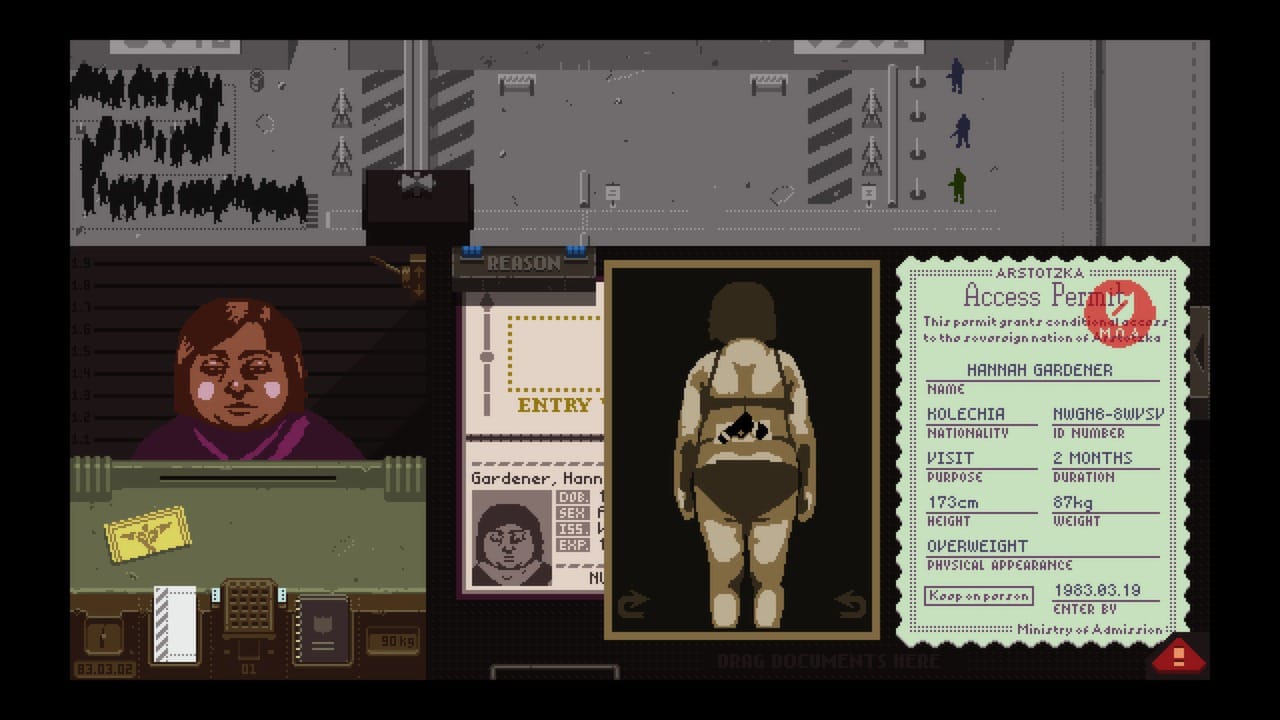
Few games translate ethics into spreadsheets as elegantly as Papers, Please. You manage a border checkpoint in the fictional state of Arstotzka, examining passports, stamps, and fingerprints under time pressure. Every decision has ripples. Approve a desperate refugee and risk a citation that docks your meager pay; reject them and sleep a little safer, but with a cold conscience. Detain smugglers to earn bonuses, or let them pass to help an informant. Take bribes to feed your family—then wonder if anyone noticed. What makes these choices sting is how systems interlock: rules pile up daily, outbreaks prompt quarantines, terrorist attacks shorten shifts, and your ledger never balances. Endings reflect not a morality meter but the paper trail you left, from silent complicity to full-blown resistance. It’s a master class in making bureaucracy thrilling, and in showing that “doing the right thing” is rarely free, clean, or obvious when the stamp is in your hand and the line stretches on.
8) Undertale (2015)
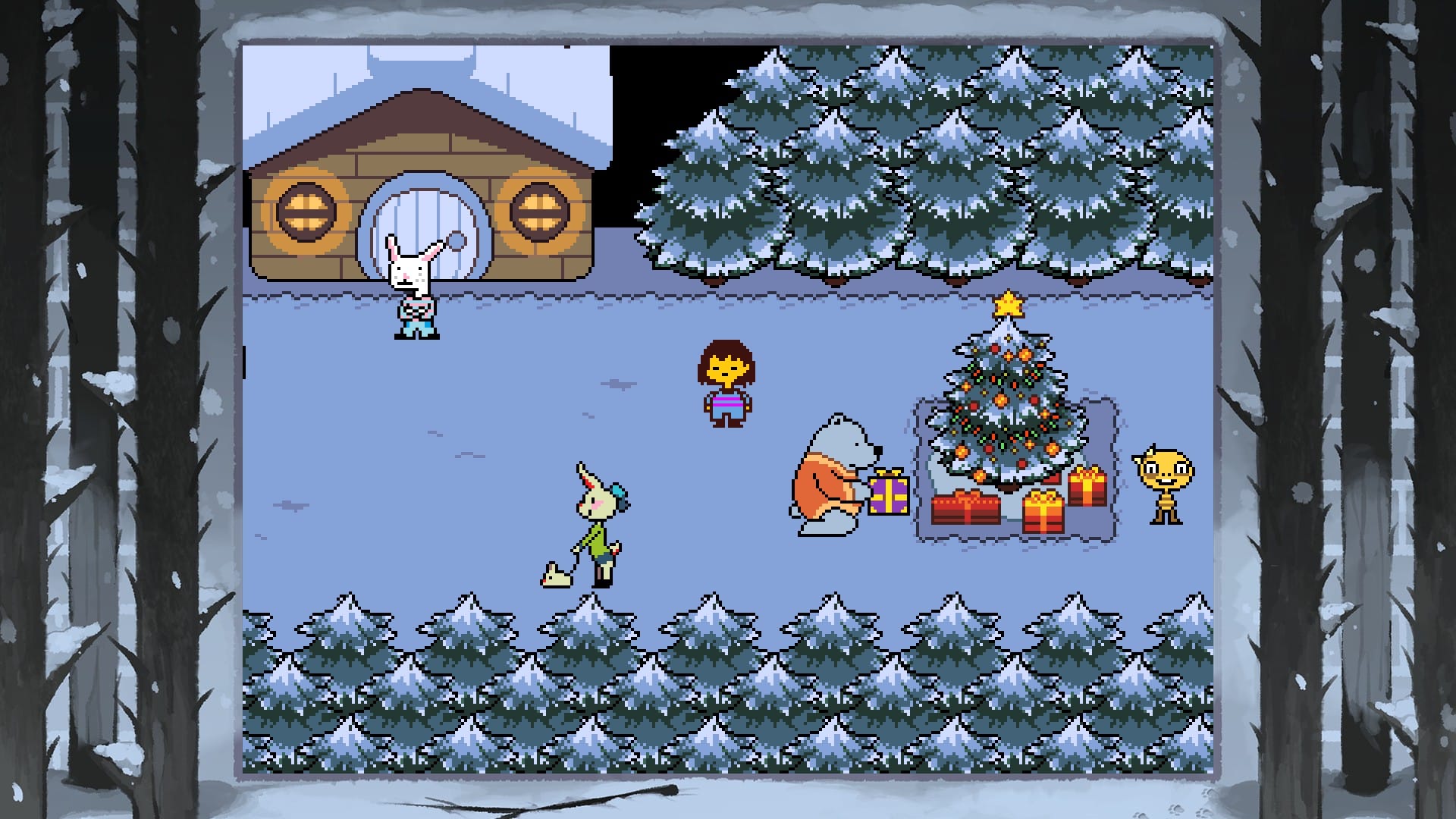
Undertale makes “choices matter” literal by letting you choose whether fights are conversations. Every encounter can be won with violence—or defused by talking, joking, petting, and showing mercy. The game watches which you prefer and reshapes tone, dialogue, boss patterns, even music accordingly. Commit to kindness and you’ll discover a richly reactive pacifist run that rewards empathy with new scenes and friendships. Pursue the infamous genocide route and the world darkens, characters change, and the story refuses to forget, carrying the memory of your actions across saves. It’s a brilliant inversion of RPG habit: experience points come from killing, but levelling up often makes you worse at being who you want to be. The result is a compact epic where the most meaningful choices aren’t color-coded prompts; they’re the thousand tiny decisions you make in menus and mercy screens. Undertale proves consequence doesn’t need a morality slider—it needs a game brave enough to remember for a long time.
7) Detroit: Become Human (2018)

Detroit turns a sci‑fi uprising into a branching ensemble drama where nearly every scene can tilt in a new direction. You play three androids with intersecting arcs—Connor the investigator, Kara the caregiver, Markus the revolutionary—and each can die without triggering a game over, leaving the story to reweave around the loss. Decisions ripple across chapters: a small kindness unlocks allies later; a harsh interrogation poisons a partnership you’ll need; a public protest reframes the movement’s tone. After each chapter, a flowchart maps your path and the unseen branches you missed, encouraging bold replays. Crucially, outcomes feel authored rather than arbitrary: quick‑time scrambles, dialogue checks, and stealth sequences all sit on the same web of consequence, producing radically different final acts and epilogues. Detroit doesn’t just ask what you’ll choose—it shows where you could have gone and dares you to chase that alternate reality next time. Public opinion and relationships track your choices, changing police response and crowds.
6) The Walking Dead (Season One) (2012)
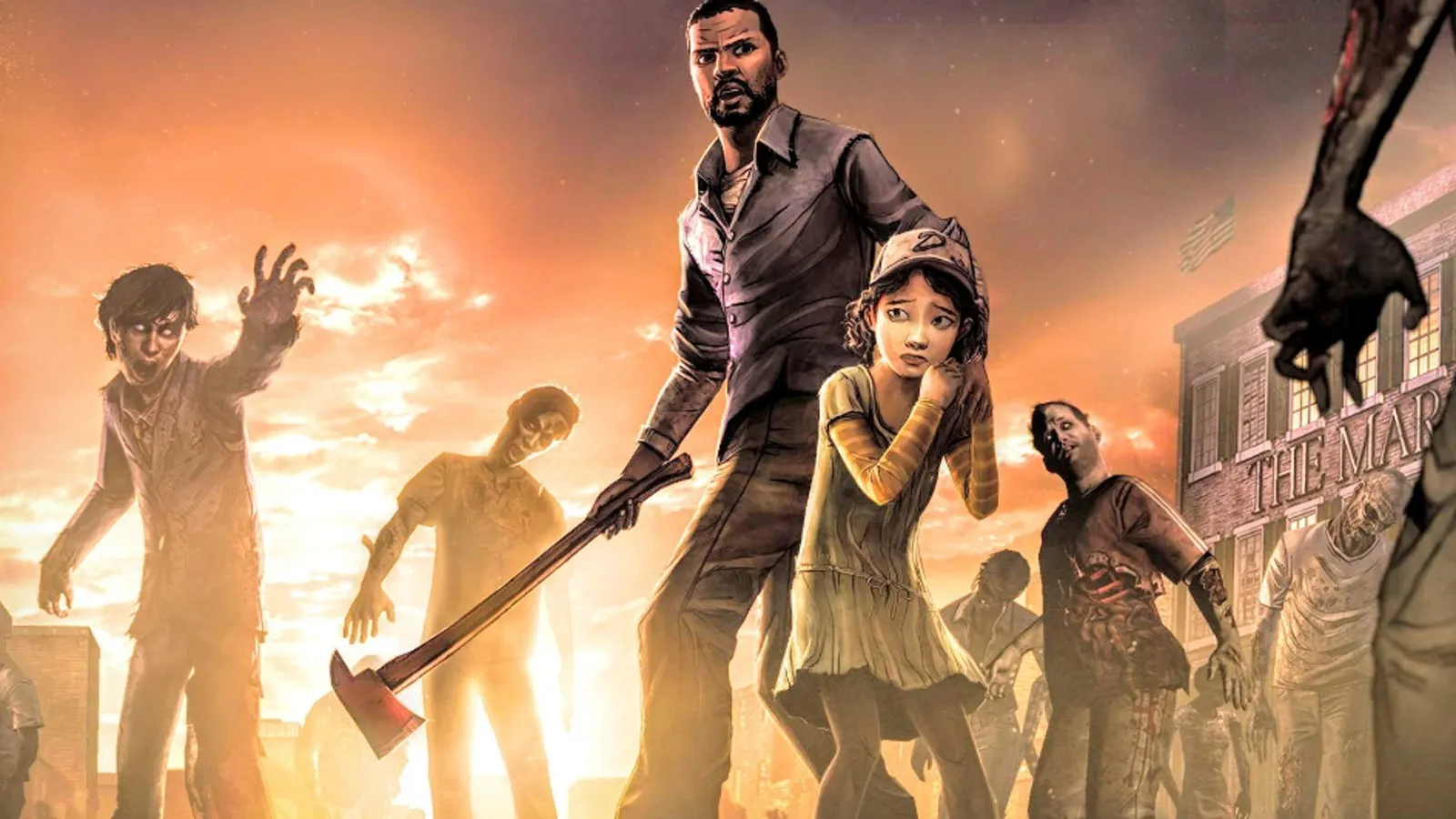
Telltale’s breakout hit proved that quick, agonizing decisions could carry a narrative as powerfully as combat. Playing as Lee Everett, you guide and protect Clementine through a collapsing Georgia, making call‑and‑response choices under crushing time limits. Characters remember your promises and betrayals; grudges simmer in campfire chats and explode during sieges. Who you side with, who you save, and when you tell the truth reshapes the group’s cohesion and the season’s climactic moments. The genius is in the ambiguity: there’s rarely a clean “good” answer, just trade‑offs that surface hours later. Failures aren’t resets—they’re story beats. People can die because of your calls, and the narrative refuses to pretend otherwise. Even smaller decisions, like stealing supplies, can echo across episodes, changing who trusts you when it matters most. By the time credits roll, you’ve authored a relationship with Clementine that feels singular—then carried forward into later seasons for an emotional continuity rarely matched in games and utterly unforgettable.
5) Fallout: New Vegas (2010)
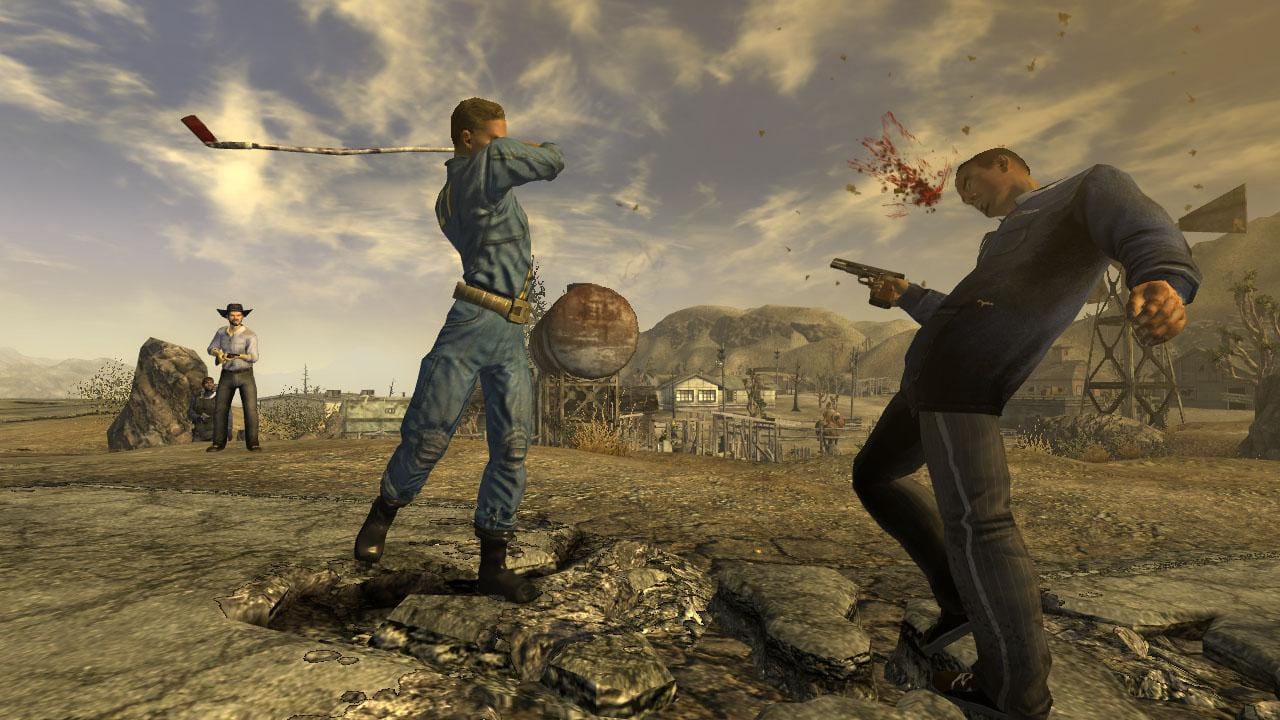
New Vegas is the gold standard for open‑world consequence. After surviving a bullet to the head, you pick a path through the Mojave’s clashing powers—the bureaucratic NCR, brutal Caesar’s Legion, enigmatic Mr. House, or a wild‑card independence—and then live with what that allegiance costs. Town elections, dam sieges, and dusty side quests all funnel into a final battle whose outcome is meaningfully yours. The famed ending slides don’t just tally wins; they describe how your decisions reshaped settlements, companions, and the Strip’s future in messy, believable ways. Crucially, choices are rarely siloed to a single quest. Who you backed in Goodsprings might change who shows up hours later at Hoover Dam. Role‑playing breadth seals it: talker, tinkerer, sniper, or slingshot‑armed peacemaker, the Mojave bends to your build and reputation. Few RPGs let you be as principled, as ruthless, or as pragmatically in‑between—and then reflect that arc with such specificity when the sun finally sets over the desert.
4) The Witcher 3: Wild Hunt (2015)
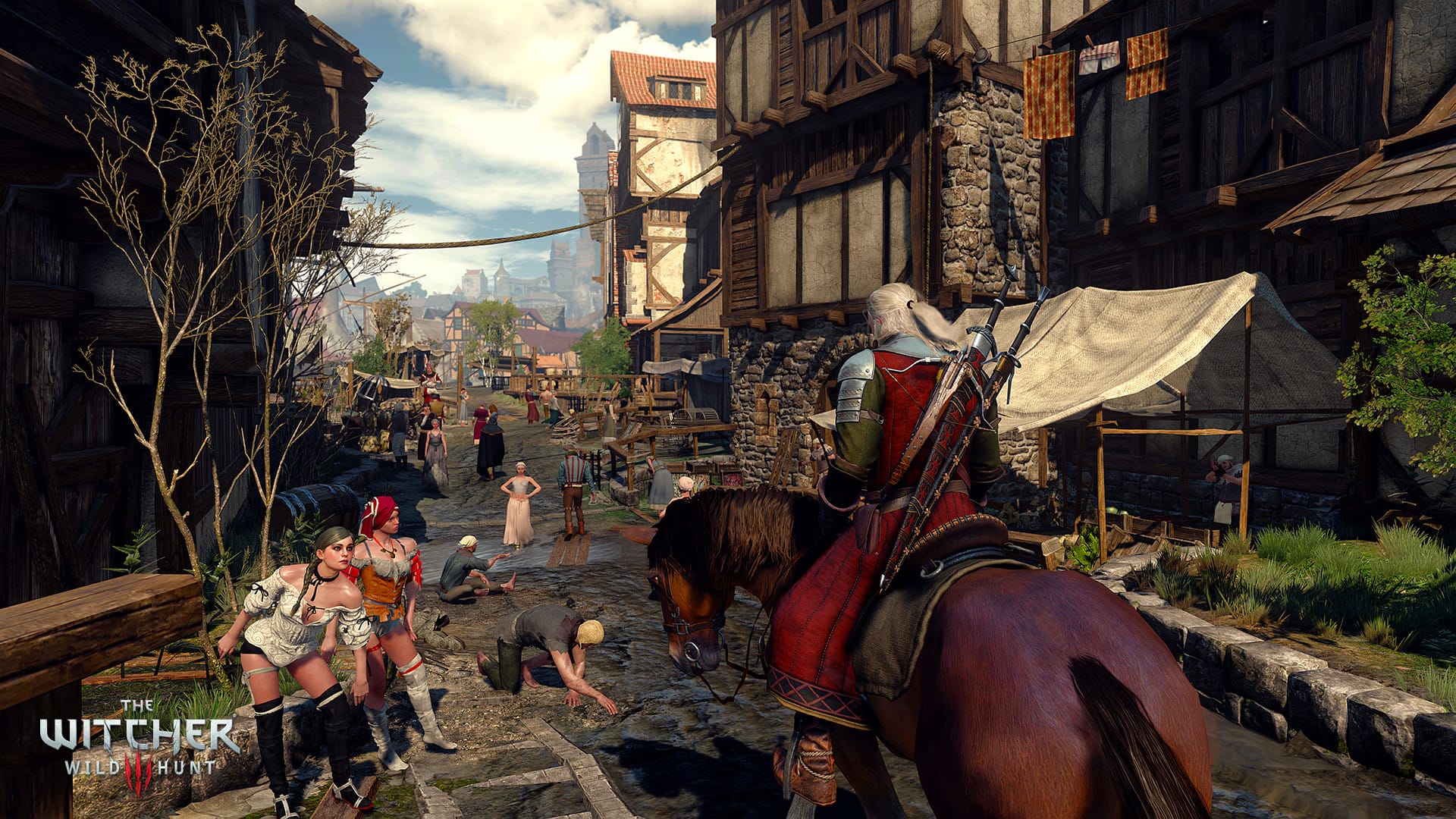
The Witcher 3 is packed with choices that feel personal rather than mechanical, weaving consequence through monster hunting and family drama alike. Nowhere is that clearer than the Bloody Baron saga, a long, painful storyline whose outcomes hinge on how you handle a cursed fetus, a broken marriage, and three terrifying crones—decisions that lead to starkly different fates for every character involved. Across Velen, Novigrad, and Skellige, seemingly small calls accumulate: a mercy shown to a witch, a contract renegotiated, a promise kept. Hours later, those threads tug on the main plot, shaping who stands with Geralt and, ultimately, which version of Ciri’s future you unlock and how. The brilliance is that consequences aren’t labelled “good” or “evil”; they’re textured, often bittersweet, and sometimes punish kindness. That moral fog makes the victories feel earned—and the losses, inevitable. It’s an epic that remembers what you did and, just as importantly, why you thought it was right in the moment.
3) Divinity: Original Sin 2 (2017)
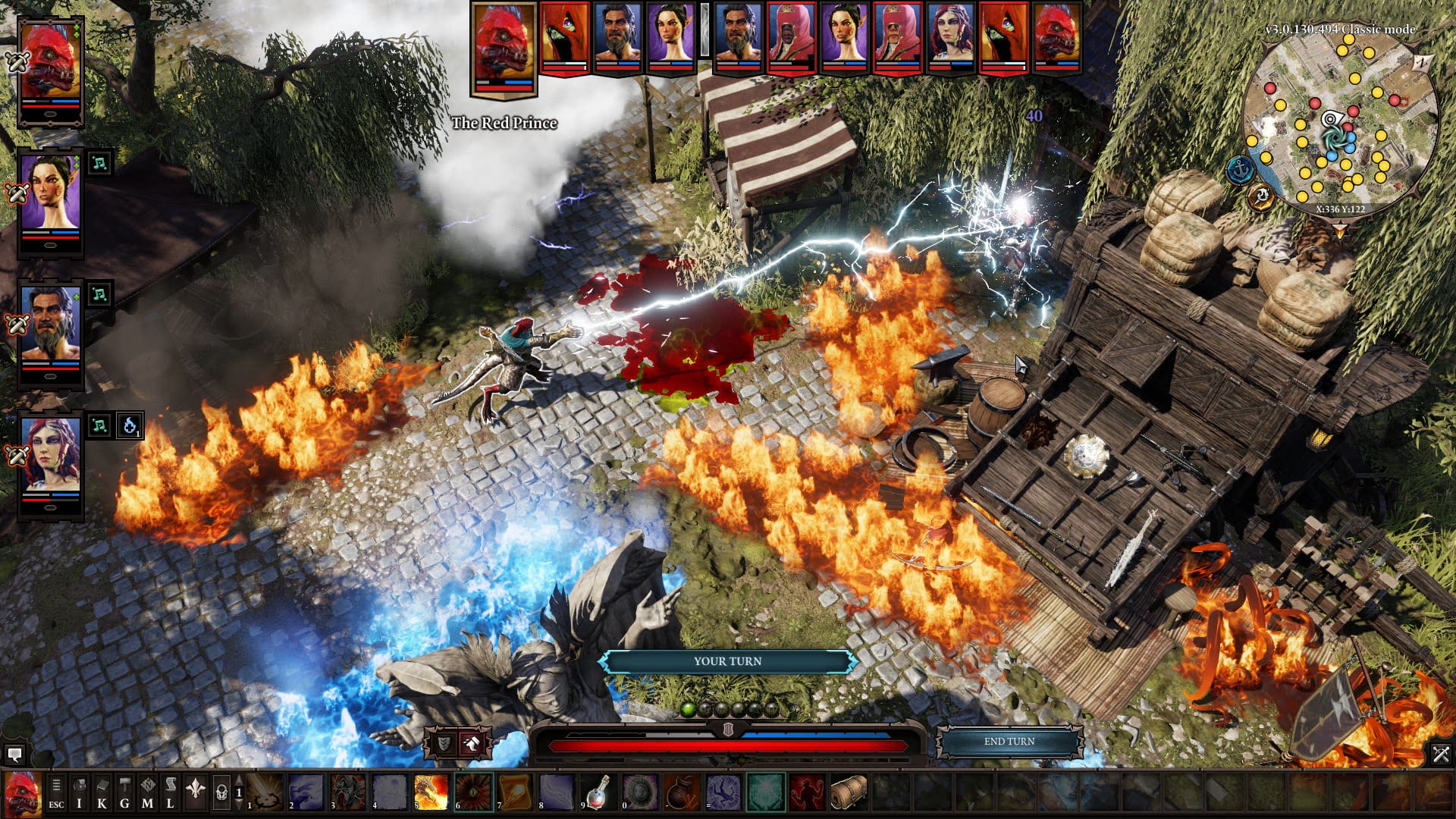
Original Sin 2 turns choice into a chemistry set. Five minutes in, you can pickpocket a guard, teleport a crate into a window, or persuade your way onto a forbidden ship—and all three will echo hours later. The game’s Origin characters aren’t just party members; they’re protagonists with quests that clash, forcing you to mediate, compromise, or split the team. With four‑player co‑op, those disagreements become chaos as friends pursue different outcomes simultaneously. Combat choices matter too: surfaces ignite, poison spreads, and high ground turns a scrap into a physics lesson. Crucially, Larian rarely locks doors; if you can imagine a solution—talk, sneak, steal, blow a hole in walls—the world accommodates it. Decisions culminate in a dramatic finale about who should wield divine power. Whether you ascend, pass the mantle, or shatter the throne, Rivellon’s future reflects your playstyle and values, not a checklist. It’s freedom with teeth, wrapped by writing and systems that delight in audacity.
2) Disco Elysium (2019)
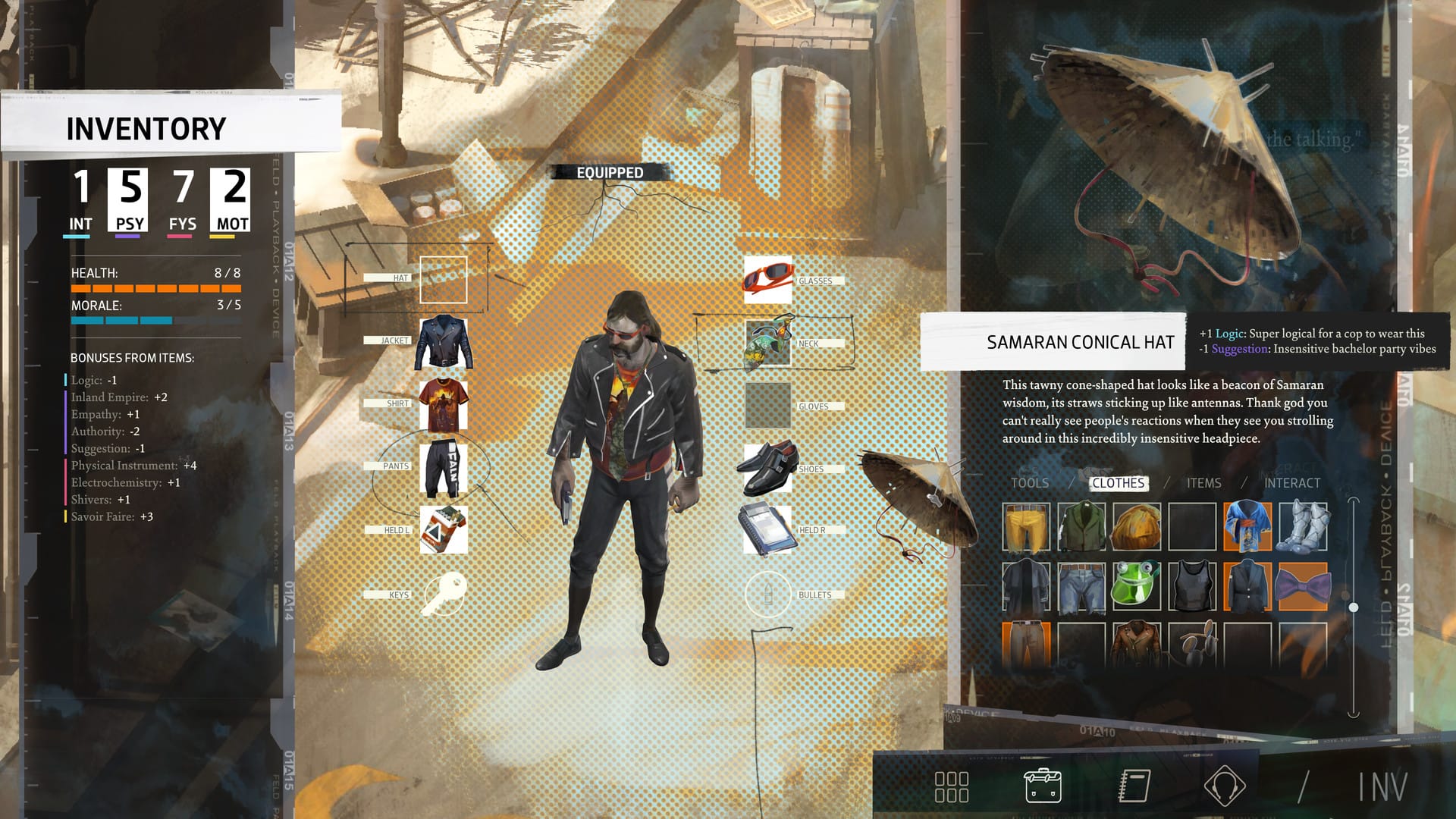
Disco Elysium proves you don’t need combat to make choices devastating. You’re a hungover detective rebuilding his identity while solving a murder in a city that judges what you believe. Twenty‑four talkative skills act like voices in your head, arguing for impulses—from Empathy’s compassion to Inland Empire’s surreal hunches—and whichever you empower reshapes what you notice, what you can say, and who you become. Ideology isn’t a menu choice; it’s a drift formed by a hundred answers that tilt you toward communism, moralism, fascism, or ultraliberalism, opening and closing scenes as your politics harden. Failures are stories too: a blown check can unlock detours, not just reloads. The Thought Cabinet deepens that web, letting you internalize ideas which rewire dialogue options and stats. By the end, your version of the detective feels singular—world‑weary poet, zealot bureaucrat, disco cop—and the case concludes in ways that reflect the mind you chose to build, not a binary ending.
1) Baldur’s Gate 3 (2023)
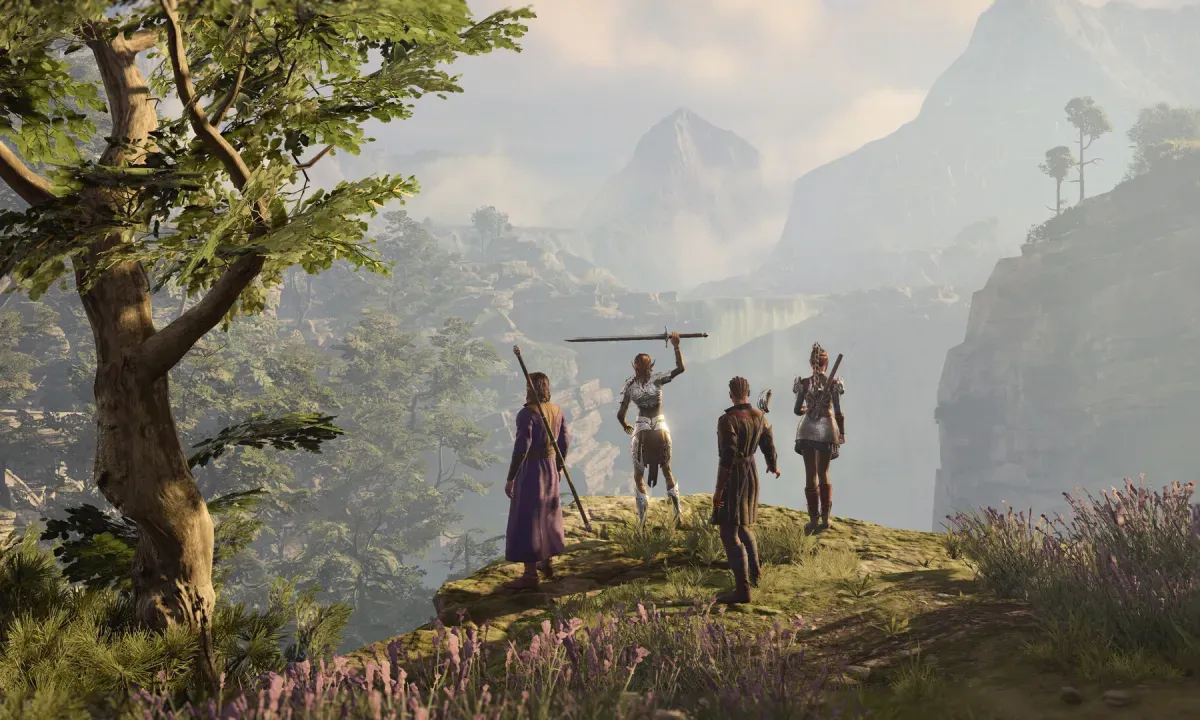
Baldur’s Gate 3 is the modern apex of consequence‑driven RPGs, marrying systemic freedom with authored reactivity at an absurd scale. Your choices ripple from the first goblin conversation to the final battle: betray a companion and they can quit—or turn on you; spare a villain and an Act III questline reappears with a venomous grin; burn a grove and entire communities reorganize around the fallout. Approval systems, faction reputations, combat approaches, and even class features interlock so that no two playthroughs solve problems in the same way. The result is an endgame with wildly divergent epilogues, shaped by who lived, who loved you, and which pacts you embraced or rejected. And because its turn‑based toolset is as expressive as its writing, bold tactics—shoving bosses off balconies, talking your way past “impossible” encounters—become narrative choices too. It’s a sprawling Dungeons & Dragons campaign that remembers everything you did and turns it into a story that feels unmistakably yours.


