


Ten vast, living worlds where the map disappears and the stories find you.
10) Red Dead Redemption 2 (2018)
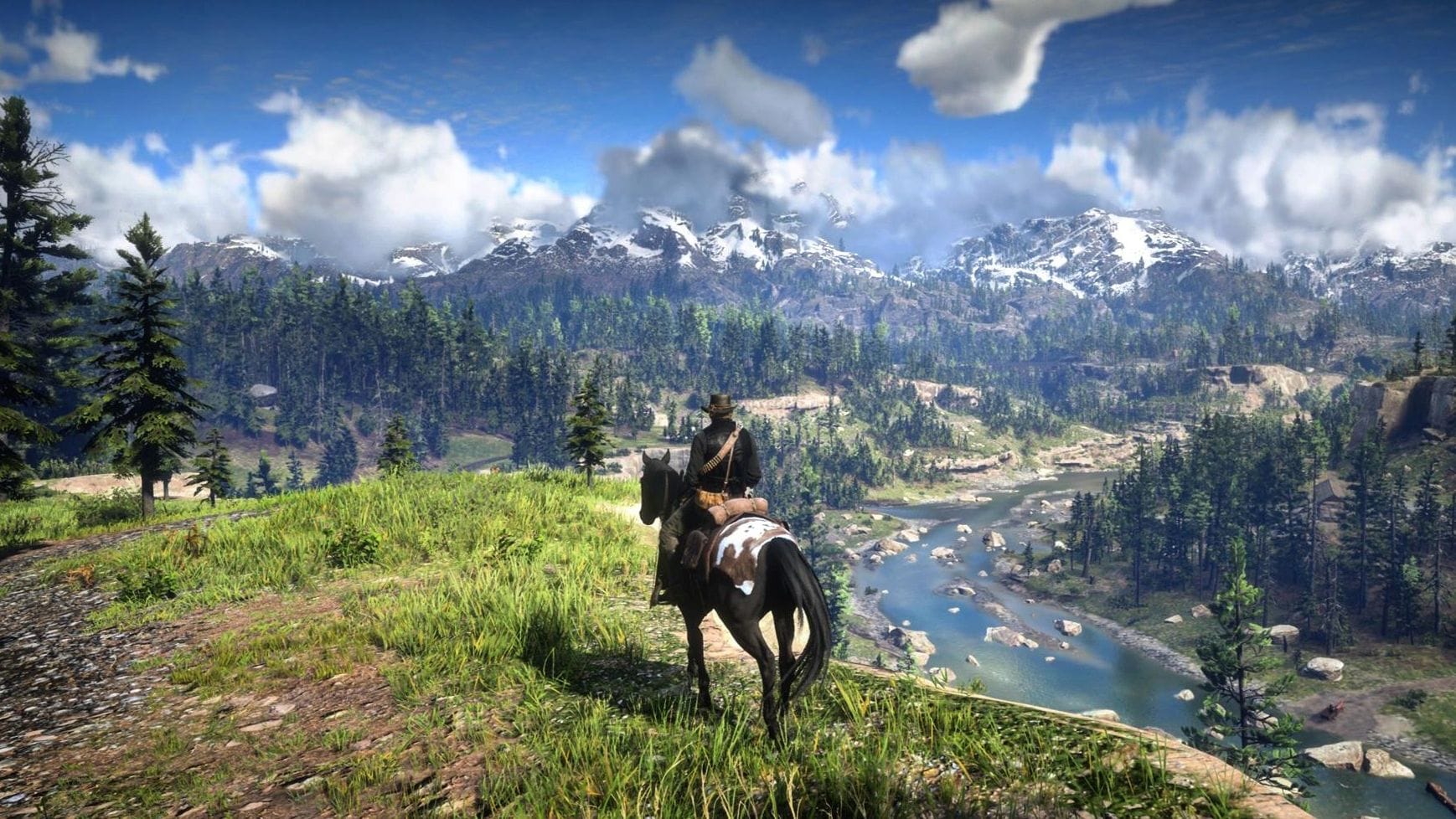
There’s a reason critics and players keep drifting back to RDR2: its frontier isn’t a checklist, it’s a simulation. You feel the morning frost on your horse’s coat, hear a distant rifle crack off canyon walls, and watch an argument in Valentine spiral into a fistfight you didn’t plan to join. Encounters tumble into one another organically—ambushes on moonlit trails, campfire confidences with the Van der Linde gang, a lost traveler who really shouldn’t trust you. It’s a world that rewards slowness: hunting by tracks and wind, cleaning your revolver just because, riding long to think about choices that actually matter. Even after the credits, the countryside keeps humming through Red Dead Online, which still surprises with left‑field Telegram missions and supernatural detours. If “getting lost” means forgetting you’re playing a game, few sandboxes are more transportive than this one’s hand‑tooled American myth.
9) Elden Ring (2022)
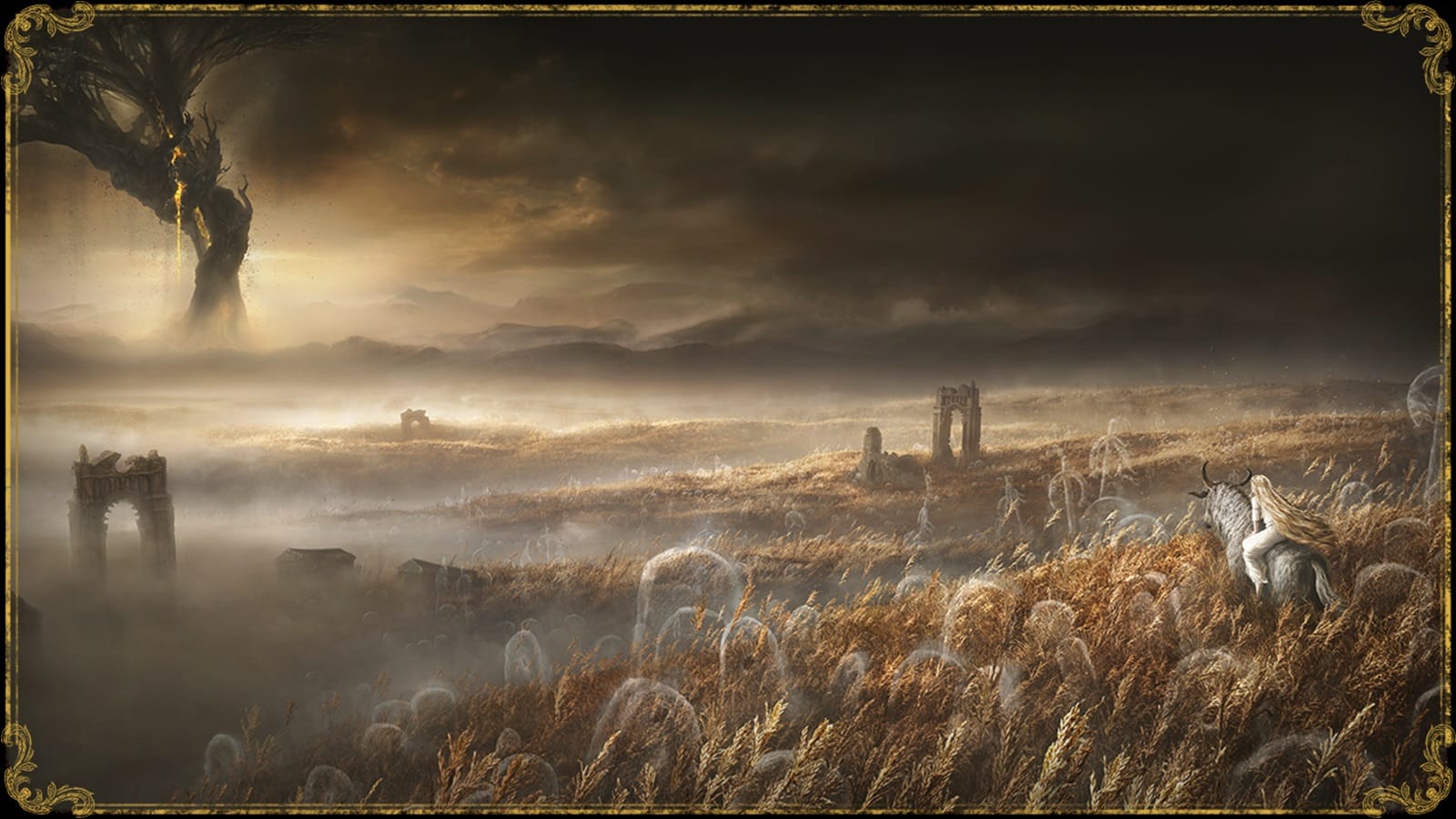
Elden Ring turns exploration into a verb again. The Lands Between don’t shepherd you so much as dare you: a ruin on a ridge, a glow behind a waterfall, a maddening castle silhouette on the horizon. The map is enormous but never empty—its secrets braid verticality, combat variety, and cryptic lore in ways that make “just one more landmark” stretch into midnight. Torrent, your spectral mount, turns mountains into ramps and boss approaches into jousts; dungeons punctuate the wilderness like puzzle boxes stuffed with bespoke enemies and strange rewards. What makes the world sing is how friction and freedom meet: you can brute‑force, stealth, or simply ride away and try someplace else, with the game always trusting your curiosity to lead. It’s an open world that remembers wonder isn’t about size—it’s about surprise. If you somehow missed it, 2025 is still the perfect year to start getting lost in the Lands Between.
8) Cyberpunk 2077 (2020)
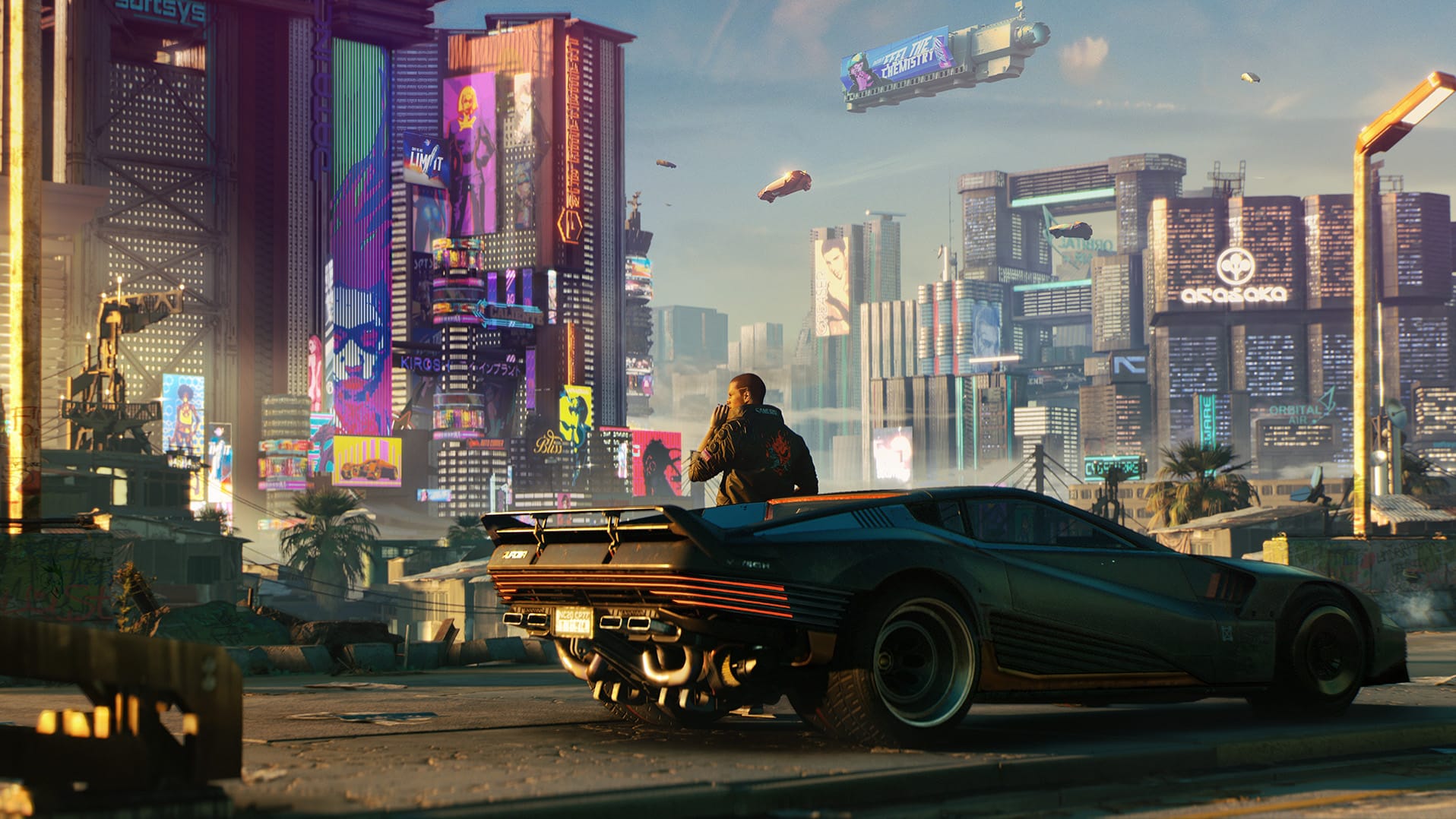
Night City finally feels as dangerous and alive as its art promised. The 2.0 overhaul rewired core systems—perks, cyberware, vehicle combat, and the police—so every street chase and build choice pops, then Phantom Liberty sharpened the storytelling to diamond‑hard edges. The result in 2025 is a city you don’t sprint through; you prowl it. Alley markets hide ripperdocs with rare chrome, gang blocks pulse with emergent firefights, and the radio chatter while you thread neon traffic at 140 mph is pure mood. Verticality matters: ladders, rooftops, skyways, and sublevels stack stories on stories, letting you infiltrate from above or vanish underground. Even if you’ve finished V’s saga, the Ultimate Edition makes it painless to start over with a fresh build and different choices that meaningfully reshape neighborhoods and outcomes. Night City’s the rare open world where getting lost at 3 a.m. means finding a new weapon synergy, a new contact…or trouble with flashing sirens.
7) Elden Ring: Nightreign (2025)
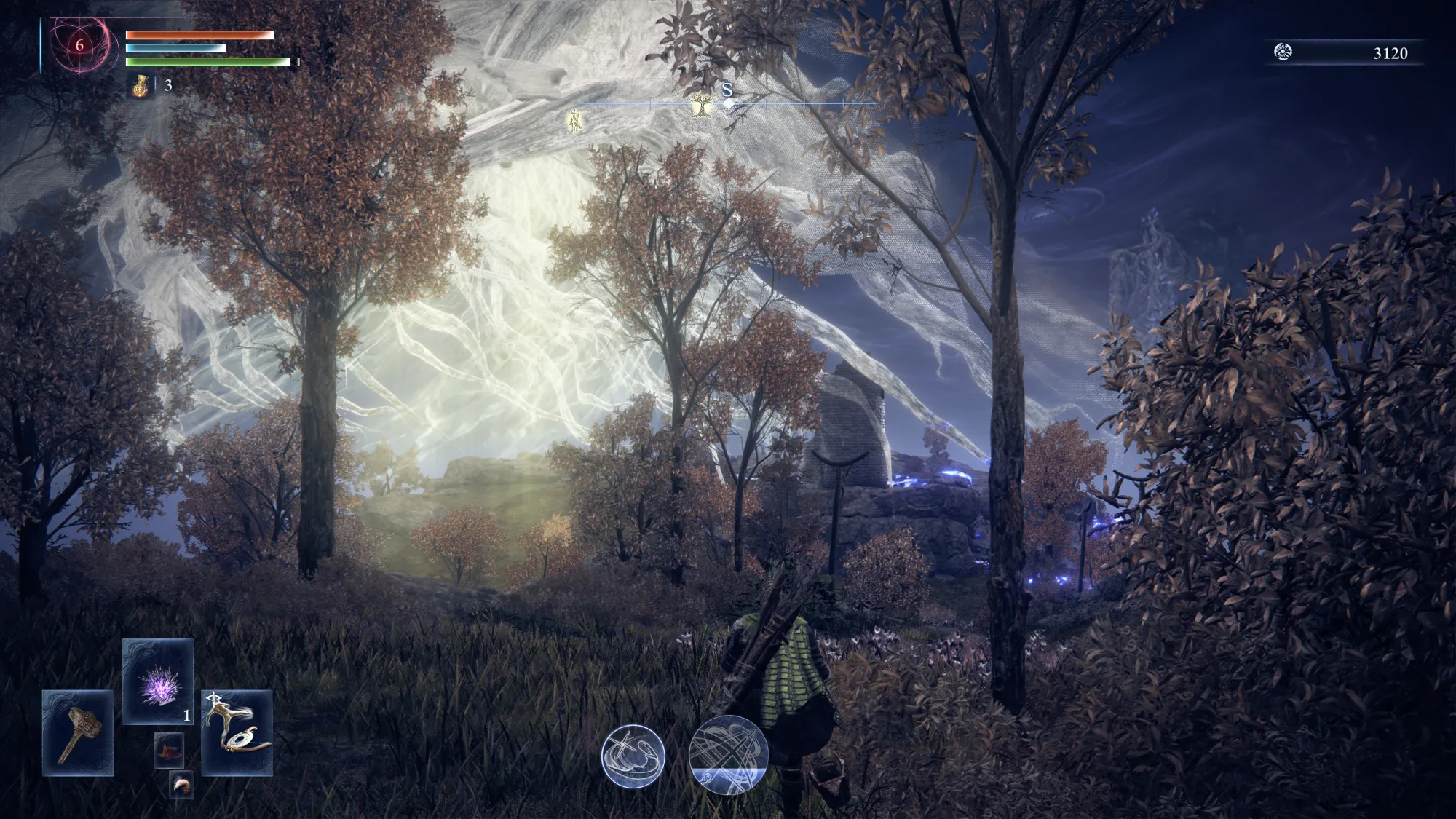
A standalone spin‑off that reimagines Elden Ring’s sense of place, Nightreign matches vastness with volatility. Limveld shifts across a three‑day cycle as you and two allies (or you, solo) carve routes through the creeping dark, scrounging relics and power before a climactic showdown ends the “day” and changes the map. It’s less a static atlas and more a living roguelike tapestry, encouraging improvisation—go underground for a safer path, risk the wetlands for a legendary drop, or hunt a Nightlord to reshape the next cycle entirely. The co‑op focus turns landmarks into shared memories (“we hid behind that obelisk”), while balance updates continue to refine builds and boss pacing. If Elden Ring was the endless hike, Nightreign is the expedition—dangerous, repeatable, and full of “we can do better” energy that keeps you queueing up another run. It’s a different kind of lost, and it’s intoxicating.
6) The Legend of Zelda: Tears of the Kingdom (2023)
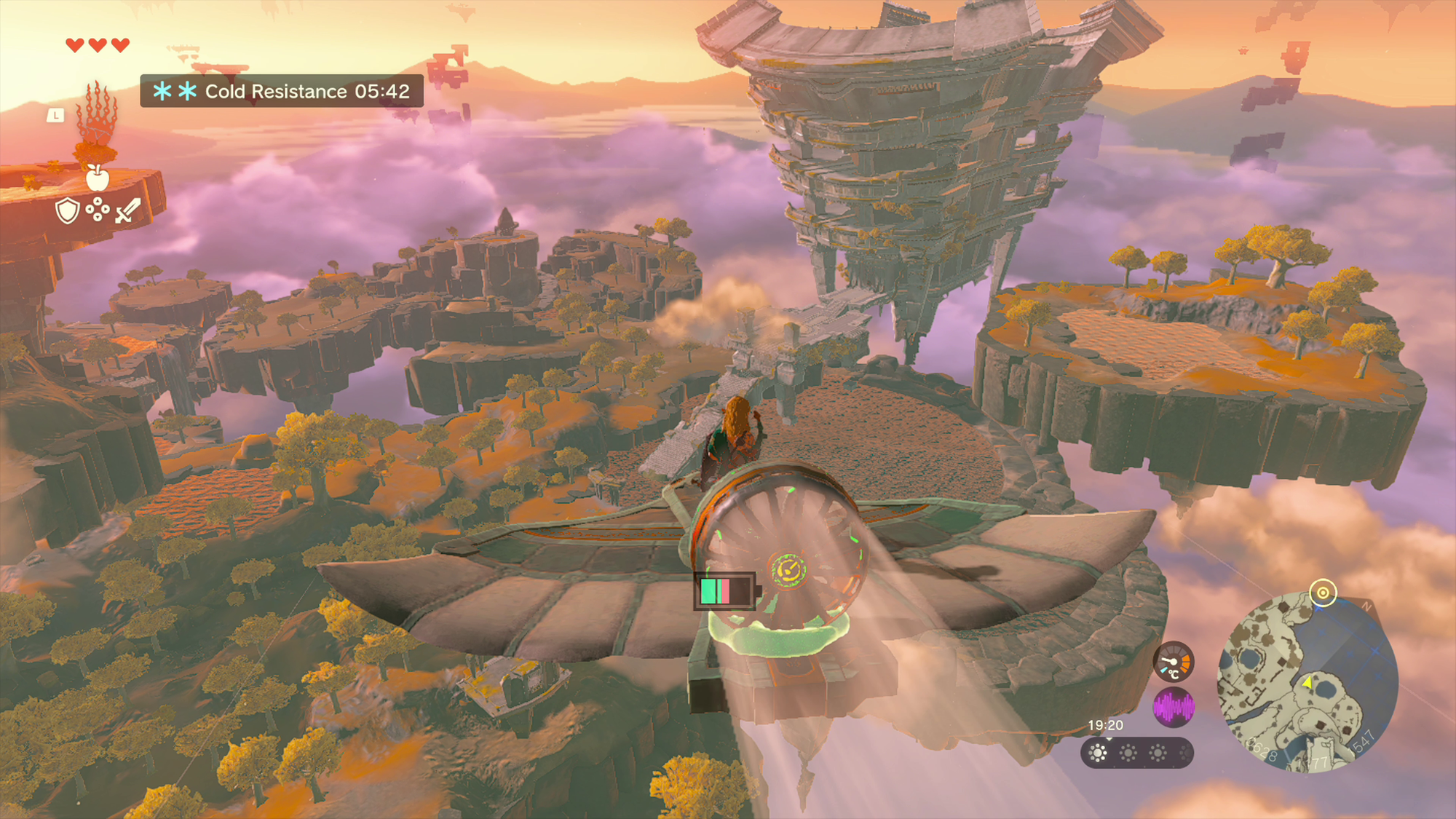
Hyrule isn’t just bigger than before; it’s layered—sky, surface, and depths—stitched together by your own ingenuity. Ultrahand makes the landscape a toolbox: bridge ravines with scrap, flip a siege by fusing rockets to shields, build a janky glider that somehow works. The joy of getting lost here isn’t measured in waypoints but in “I wonder if…” experiments that keep succeeding. Climb a peak to scout, dive from orbit to a cave mouth, then emerge hours later with a new regional legend and a pack full of zonai parts. The world reacts with elegant consistency, so solutions feel authored by you even when they’re wildly unconventional. And because it’s still Zelda, the quiet in‑between—pallid dawns near stables, rain on slate—gives all that tinkering emotional ballast. If any game nails “adventure as verb,” it’s this one.
5) The Witcher 3: Wild Hunt (2015)
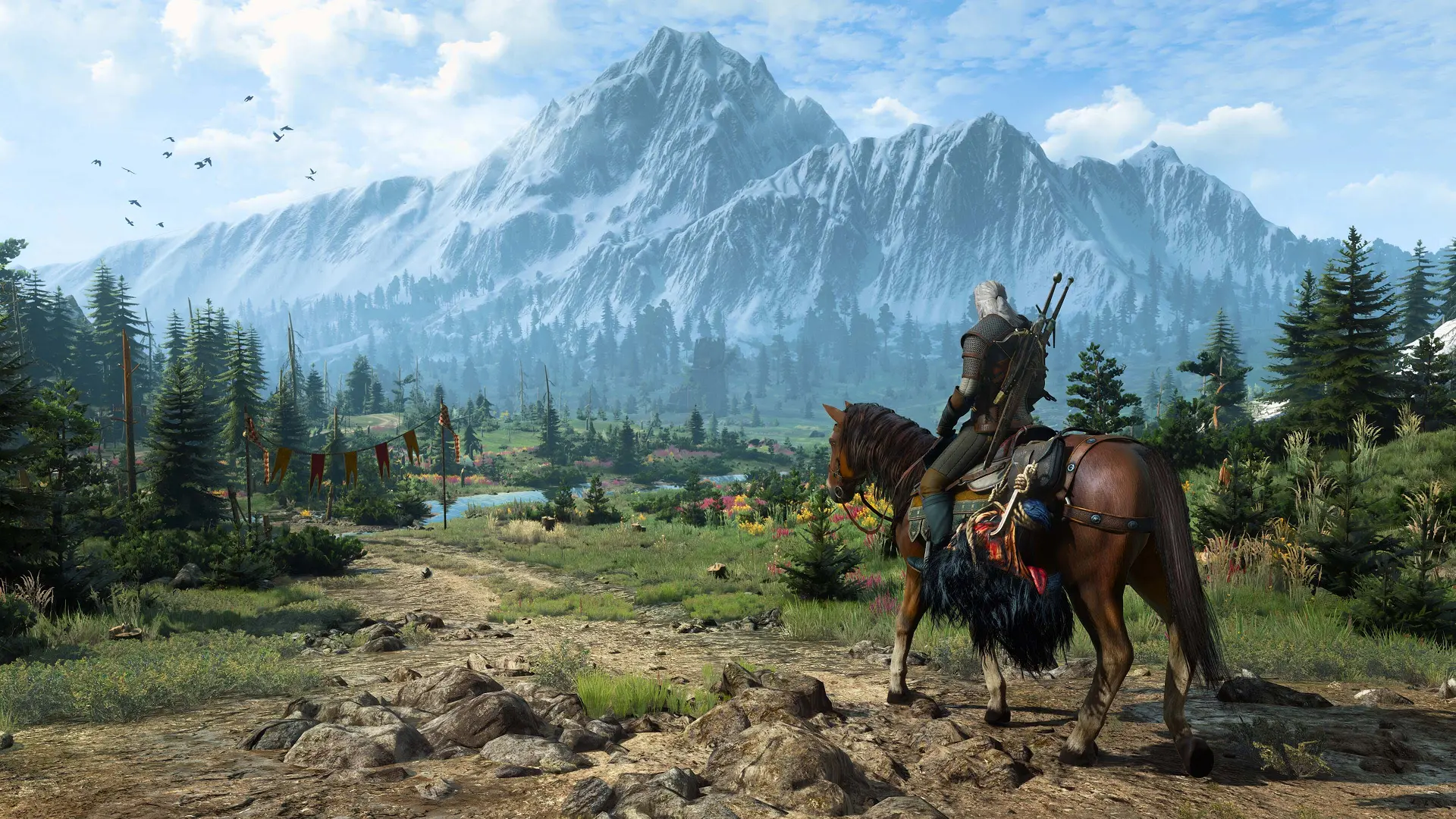
A decade later, The Witcher 3 remains the gold standard for open‑world storytelling. Its map isn’t the largest, but it’s dense with human‑sized dramas: a baron’s collapsing family, a village haunted more by memory than monsters, a city whose alleyways whisper different tales depending on the hour. Getting lost here means being pulled off your main objective by quests that could be entire short stories—because many of them essentially are. Combat and builds are flexible enough to support whatever trouble you wander into, while exploration—by foot, by Roach, by boat—feels like crossing a believable culture, not a theme park. The next‑gen update modernized visuals and quality‑of‑life, but it’s the writing that makes the swamps of Velen and the wind‑raked isles of Skellige unforgettable. If you somehow skipped it, 2025 is still an easy yes; if you played it, the pull to replay is probably humming already.
4) Ghost of Tsushima (2020)
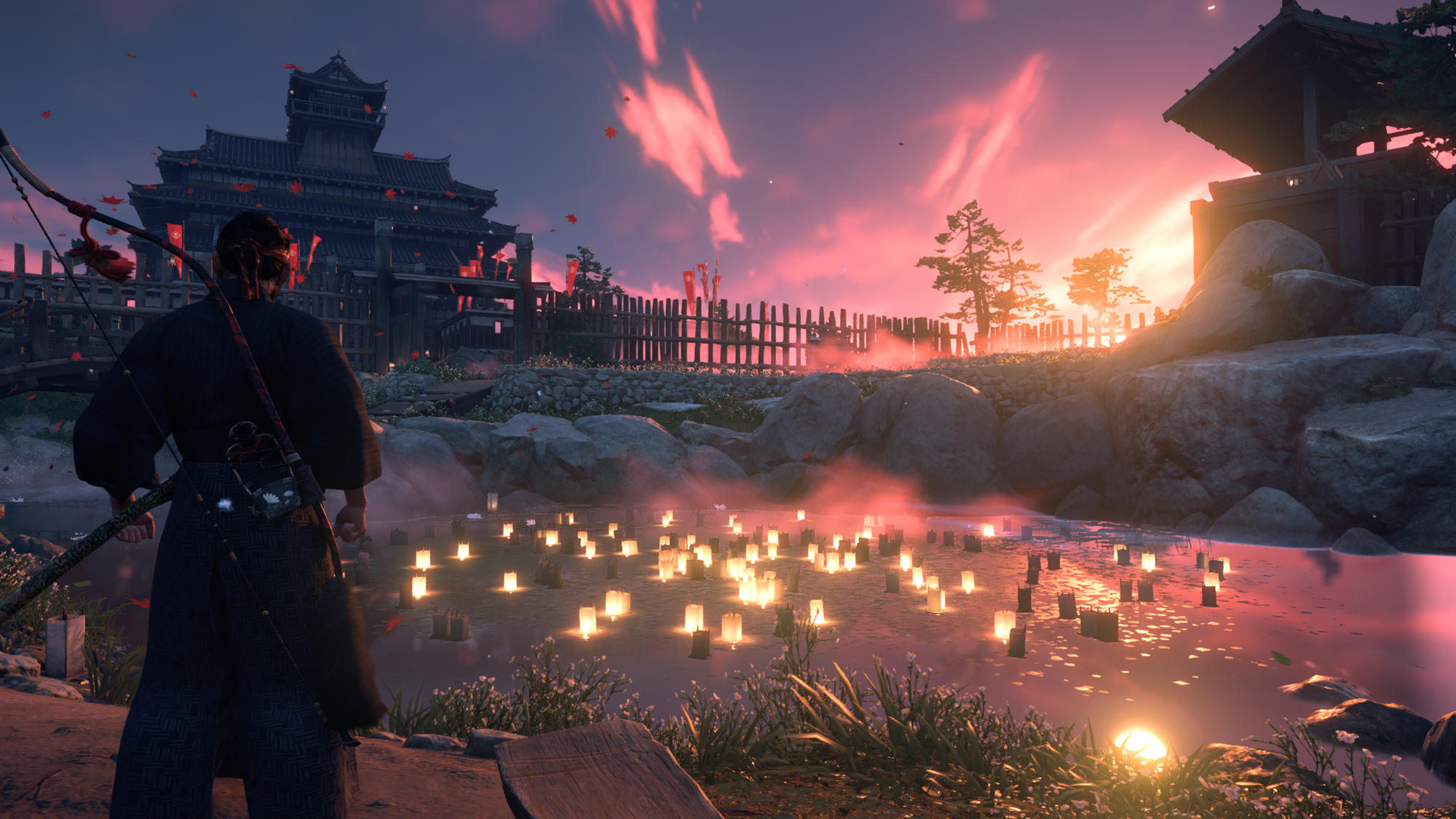
The smartest compass in open‑world design isn’t a line on your mini‑map; it’s the wind. Ghost of Tsushima turns navigation into theater—gusts bend pampas grass toward your destination while foxes, birds, and smoke columns coax curiosity. You can ride for an hour doing nothing “important” and feel utterly rewarded: a bamboo strike tucked in a grove, a haiku overlooking the surf, a duel staged like a samurai film. The Director’s Cut adds a terrific detour on Iki Island and, on PC, brings the whole package to a new audience with crisp performance and ultrawide vistas that amplify the island’s painterly composition. Combat flows from precise to feral as you swap stances and tools, letting you role‑play Jin as honorable samurai or pragmatic ghost. Tsushima isn’t just a map—it’s a mood, and it’s dangerously easy to get lost in it.
3) Horizon Forbidden West (2022)
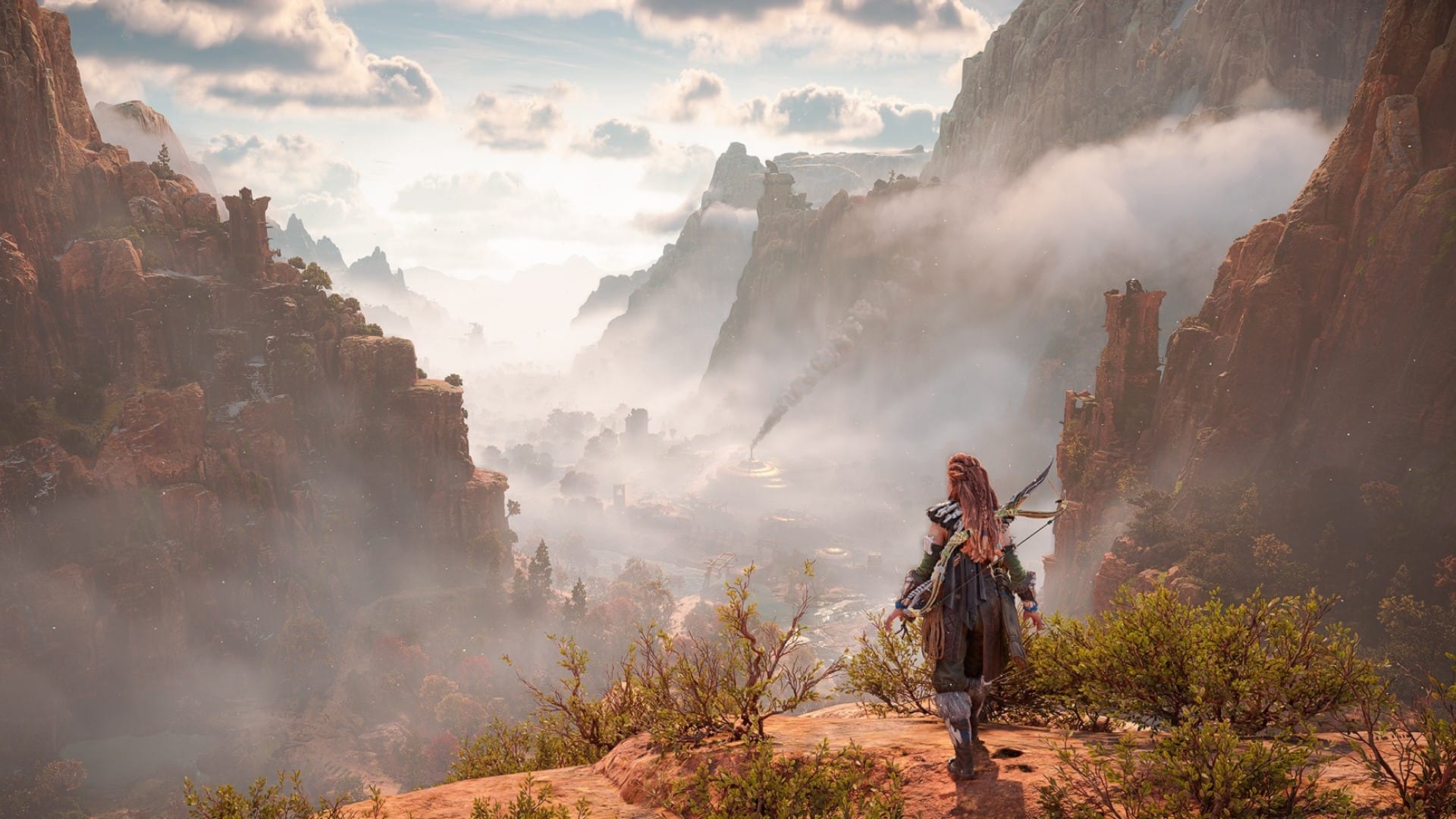
Aloy’s American West is a riot of biomes and machines, from sun‑bleached deserts to kelp forests where drowned cities sleep. The pleasure here is terrain literacy—reading climbing lines, glide paths, and underwater currents as routes, not obstacles. Cauldrons and ruins remain delicious puzzle‑combat hybrids, while settlements feel truly lived‑in thanks to richer side quest writing and expressive NPCs. Mechanically, the interplay of traps, elemental ammo, and vertical movement lets you choreograph hunts that feel like set pieces you direct. The Complete/PC editions polish performance and bundle in Burning Shores’ Hollywood‑lava playground, making the whole package easy to recommend in 2025. Horizon’s world is a place to hike with intention: you go to scan a new apex machine and return three hours later with a new outfit, a new ally, and a hundred screenshots.
2) Dragon’s Dogma 2 (2024)
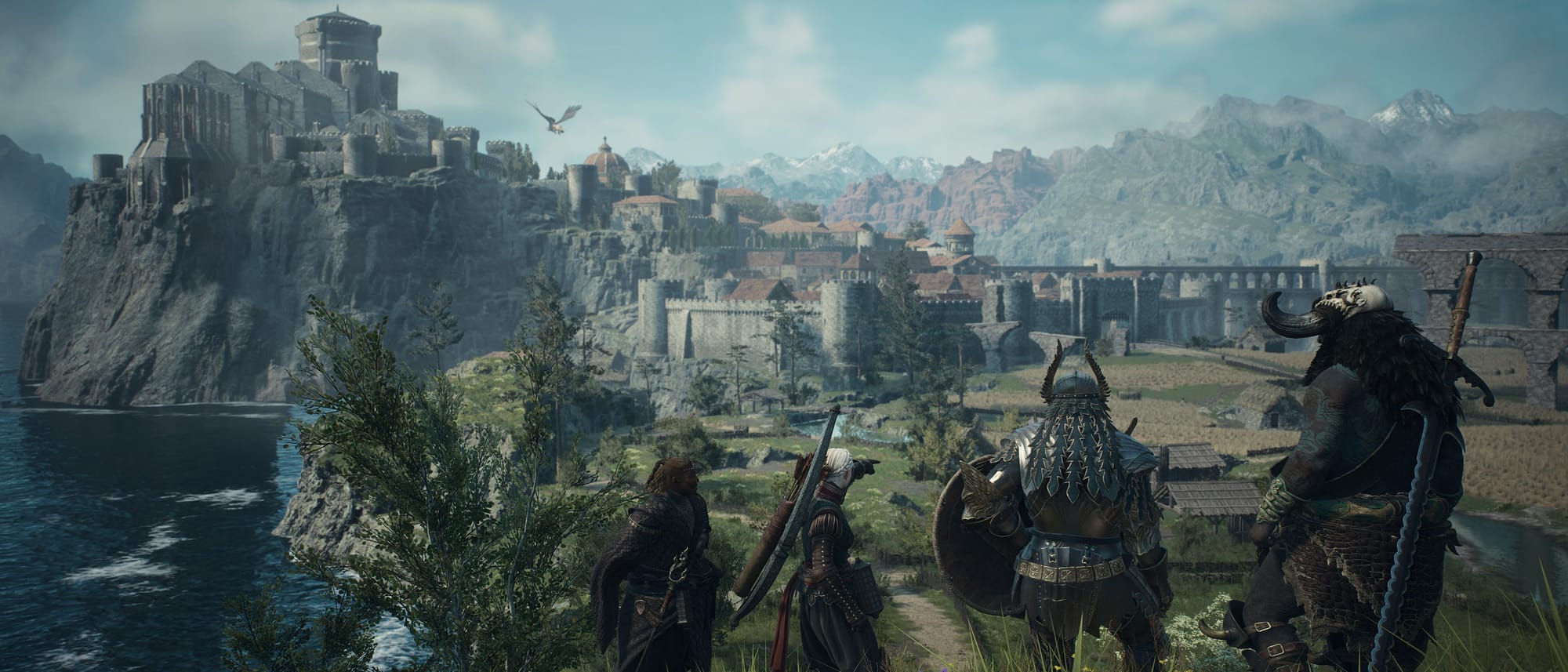
Dragon’s Dogma 2 proves that the best open worlds aren’t about scale—they’re about systems that collide. Its Pawn companions feel like hiking buddies who learn, joke, and yank you out of trouble; its RE Engine wilderness folds cliffs, caves, and monster ambushes into routes that never play the same twice. A stray boulder triggers a landslide into a cyclops camp; a griffin you angered at noon dive‑bombs your caravan at dusk. Vocations let you reinvent your playstyle without rolling a new character, and the quest design trusts you to miss things (and makes that okay). It’s a world that says “go that way,” not “go this way”—and your stories from it sound like tall tales even to other players. In a market crowded with content treadmills, Capcom’s sequel makes “getting lost” feel like a personal pilgrimage again.
1) No Man’s Sky (2016)
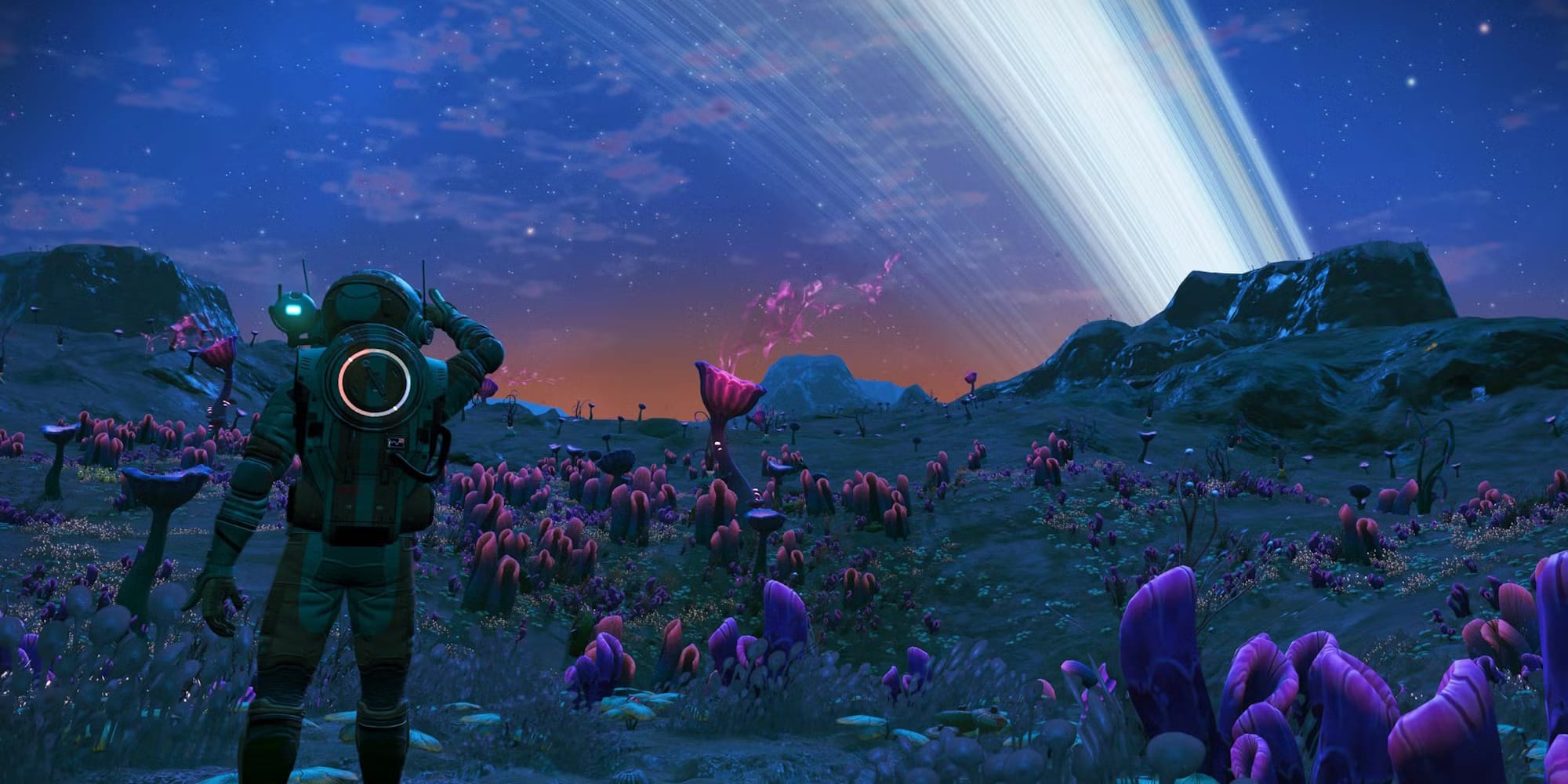
Nine years on, No Man’s Sky has become the purest expression of “lost in space.” Procedural planets still deliver that first‑footstep thrill, but it’s the constant reinvention—archaeology, city‑building, expeditions, underwater life—that keeps its galaxy surprising. 2025’s updates continued the trend with major content drops that add new loops and visual overhauls, while the Release Log remains a small novel of iterative generosity. You can pick a lifestyle—explorer, tycoon, base architect, museum curator—and the game now supports it with satisfying depth, whether you play solo or alongside friends through cross‑save and community events. Few games are better at unstructured evenings that become voyages: you warp to scan a star, spiral into a planetwide storm, burrow for relics, then end the night screenshotting a violet sunrise over your outpost. With NMS, “lost” is exactly where you want to be.
3 things to know about this list
- We focused on worlds that invite wandering more than waypoint grinding.
- We leaned on 2025‑relevant versions—major patches, PC releases, and spin‑offs that change how these worlds feel. (See Cyberpunk 2077’s 2.0 overhaul, Ghost of Tsushima’s PC Director’s Cut, and Nightreign’s launch.)
- If you love a sense of place, start with RDR2, Elden Ring, and Cyberpunk 2077; if you crave systems‑driven chaos, try Dragon’s Dogma 2 or Nightreign.


